•
•
•
•
•
•
•
•
•
•
•
•
•
•
•
•
•
•
•
•
•
•
•
•
•
•
•
•
•
•
•
•
•


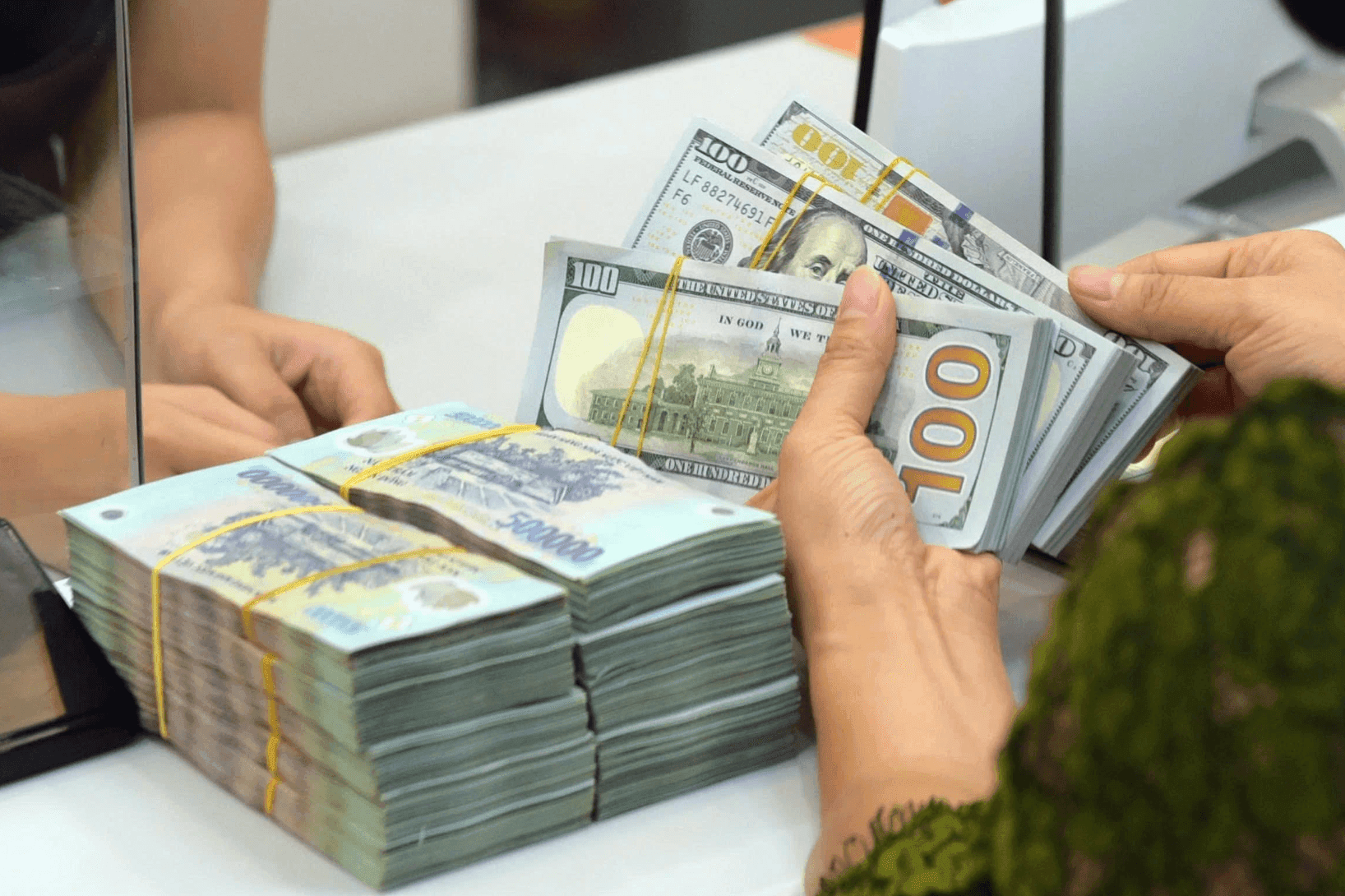
Hanoi Police warned on Tuesday, 21 April 2026, about a tactic in which individuals are hired—using passports—to go to banks in the city to buy foreign currency. The purchased currency is then collected and sold on the “black market” for profit from exchange-rate differentials. Police said the scheme often targets people with legitimate travel, study, visiting relatives, or business needs abroad, and tends to rise during holidays and peak travel seasons. The lure of “easy work, high pay” can draw people into illegal activity and expose them to legal risks.
Police said this is not the first time the tactic has appeared. Since 2022, groups on Zalo and Facebook have advertised hiring workers to buy USD for a daily wage of 1–2 million dong. Organizers reportedly required workers to provide identity documents and passports, and sometimes arranged transport and meals. To bypass regulations, organizers used personal data to book fake air tickets for trips to Southeast Asian countries, then exchanged the currency and canceled the tickets, incurring costs. Purchases could reach 3,000–5,000 USD across four to five bank branches.
Police noted that the currency-for-sale business has moved further into online channels. By late March 2026, social media exchange groups proliferated, offering “good rates,” “fast transactions,” and “no procedures.” Some groups copied bank names and logos and created fake websites and contracts to appear professional. Police said that when people need to exchange money quickly and hope for better rates, they may become targets.
Beyond the risk of monetary loss, Hanoi Police warned that the scheme can lead to legal consequences if personal information is misused. Police advised against sharing bank account numbers, biometric data, or sensitive information such as ID numbers or passports with strangers via phone, text, or social networks. They also strongly discouraged participating in “buying for someone” or purchasing foreign currency for others at financial institutions for any reason.
Regarding penalties, Decree 340/2025/ND-CP, effective 9 February 2026, sets out sanctions in the foreign exchange domain. Lawyer Nguyen Thuy Ha said that currency transactions between individuals valued from 1,000 USD to below 10,000 USD can be fined 10–20 million dong, and the currency may be confiscated. For organizations, penalties are twice those for individuals. Police said this means what may appear to be “easy money” can carry a high risk.
Police said not everyone avoids illicit channels, especially when people lack knowledge or are driven by habit and convenience. A Hanoi resident, Bich Ngoc, said that before the New Year she brought foreign currency from a relative in Taiwan to Hanoi to exchange but was refused. She then decided to wait for banks to open to comply with regulations. Police said this reflects a shift as market controls tighten, pushing people back toward formal channels.
Police emphasized that legitimate foreign-currency needs remain during peak travel periods. People can obtain foreign currency at licensed financial institutions with appropriate documentation for the intended use. Hanoi Police said the warning is not only aimed at a few individuals seeking easy money, but also serves as a reminder ahead of the travel season to avoid short-term convenience or small exchange-rate differences that could entangle people in illegal trades. Police urged residents to protect both their money and personal data by transacting legally, for legitimate purposes, and in compliance with the law.







Premium gym chains are entering a “golden era” that is ending or already in decline, as rising operating costs collide with shifting consumer preferences toward more flexible, community-based ways to exercise. Long-term memberships are shrinking, margins are pressured by higher rents and facility expenses, and competition from smaller, more personalized…