•
•
•
•
•
•
•
•
•
•
•
•
•
•
•
•
•
•
•
•
•
•
•
•
•
•
•
•
•
•
•
•
•


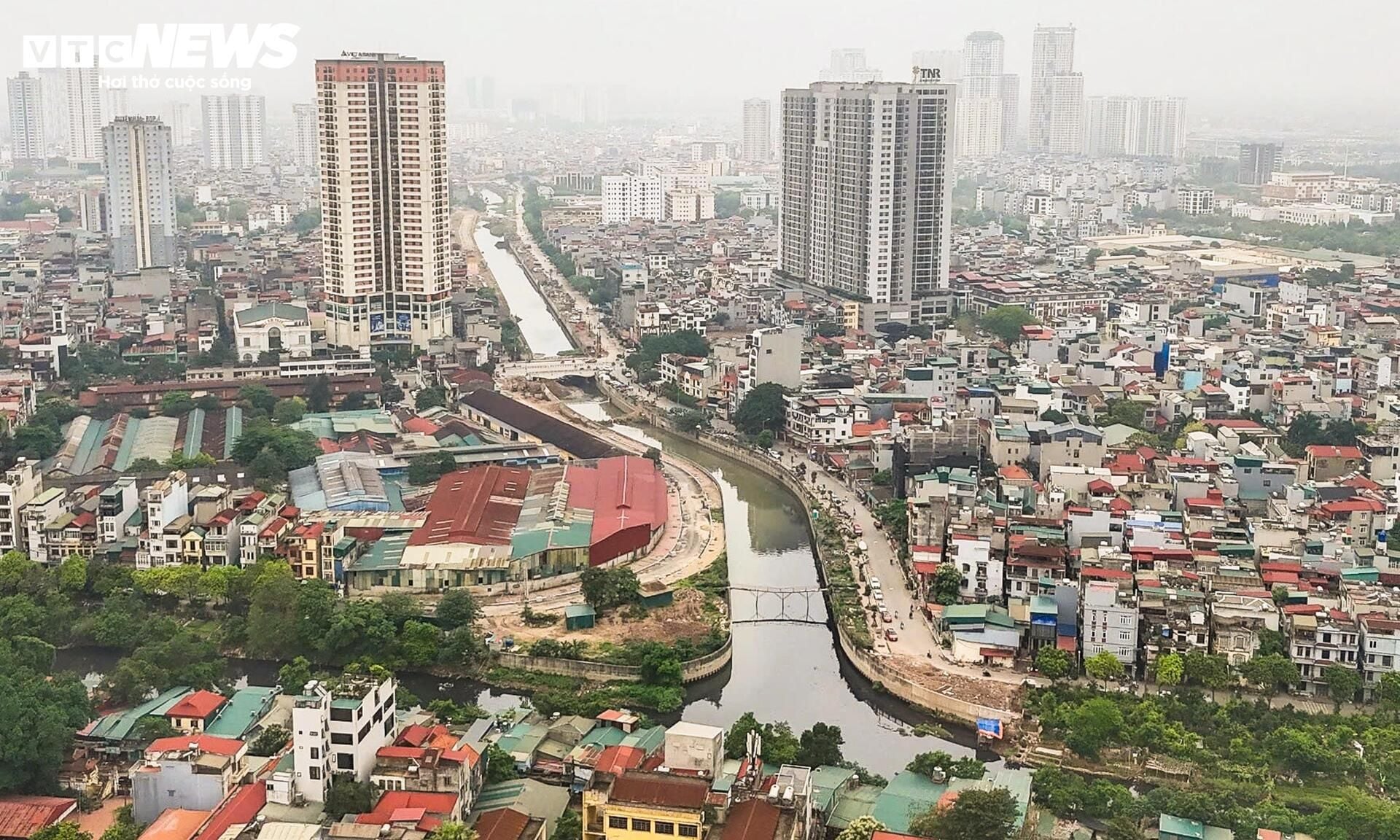
The water drainage improvement project for western Hanoi, including the Yên Nghĩa pumping station, was approved by the Hanoi City People’s Committee in 2013 and began construction in December 2015. After two adjustments in 2019 and 2021, the project’s total investment increased to nearly 7.47 trillion VND. The project includes two main components: the Yên Nghĩa pumping station and the La Khê canal system that conveys water to the intake tank, along with roadworks on both sides of the canal. While the pumping station has been completed, the hardening of the La Khê canal remains unfinished.
On April 18, Hanoi Party Secretary Trần Đức Thắng inspected the site and urged relevant units to review the overall pollution situation, identify discharge points, and address encroachment along the canal corridor to develop a definitive handling plan. He also called for violations to be inspected, documented, and addressed strictly. (Photo: Quang Thái)
In terms of implementation, city leaders require the canal-conveyance packages to be completed by April 30, 2026 to ensure drainage capacity. Landscaping components are required to be completed by June 30, 2026. (Photo: Quang Thái)
Many sections of the La Khê canal are still under construction. On site, machinery and workers have been mobilized, but progress is uneven. In the Ngô Quyền area (Hà Đông ward), construction materials, soil, and waste are stockpiled along both banks of the canal. Although authorities have posted no-dumping signs, dumping continues, affecting the environment and urban appearance.
The La Khê canal is a key component of western Hanoi’s drainage system, designed to convey water to the Yên Nghĩa pumping station during heavy rain. However, after more than ten years of implementation, this component remains incomplete. The La Khê canal hardening package has total investment of over 4.722 trillion VND and is expected to help address flooding in the inner urban area’s expanded scope. Construction delays have reduced the overall effectiveness of the project.
Beyond construction delays, many segments face encroachment and illegal building, which hampers land handover and slows construction progress.
Premium gym chains are entering a “golden era” that is ending or already in decline, as rising operating costs collide with shifting consumer preferences toward more flexible, community-based ways to exercise. Long-term memberships are shrinking, margins are pressured by higher rents and facility expenses, and competition from smaller, more personalized…