•
•
•
•
•
•
•
•
•
•
•
•
•
•
•
•
•
•
•
•
•
•
•
•
•
•
•
•
•
•
•
•
•
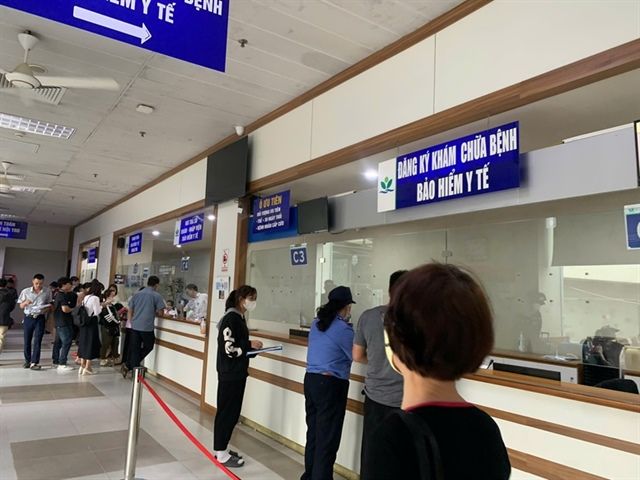
Vietnam’s Ministry of Health is drafting amendments to the Health Insurance Fund (BHY) reimbursement list, with an expected addition of 84 medicines. The proposal includes 30 oncology drugs, the largest share among the added items, and is aimed at expanding patient access to covered treatments.
According to Tran Thi Trang, Director of the Health Insurance Department under the Ministry of Health, the draft amendments are expected to add 84 medicines to the BHY reimbursement list. Of these, oncology drugs account for 30 medicines.
The added medicines are mainly novel therapies, including targeted therapy, monoclonal antibodies, and immunotherapy. The Ministry said the assessment process for the added medicines is being expedited, with completion expected in the second quarter of 2026.
The Ministry described the update as the largest revision in over eight years. It would add more than 20 drug groups spanning cancer, cardiovascular, diabetes, hypertension, neurology, respiratory, and digestive medicines, with the stated goal of expanding patient benefits.
The Ministry also said it is prioritizing cancer drugs. Trang added that expert assessment is expected to be completed in June, after which legal procedures will be carried out to issue the updated list promptly.
For high-cost medicines—especially cancer drugs—the Ministry is calling on enterprises to support part of the costs and to study solutions to reduce patients’ co-payments.
In parallel with updating the medicine reimbursement list, the Ministry is evaluating the implementation of Circular 01/2025/TT-BYT. The circular concerns a list of 62 serious, rare, or high-cost diseases that require surgery or advanced techniques, allowing patients to go directly to specialized hospitals with BHYT coverage.
Trang said the authorities are seeking feedback from hospitals and localities to adjust the list to real-world conditions. Some diseases that can be treated effectively at lower-level facilities may be removed, while others—such as blood-related conditions—may be added.
She also noted that after one year of implementation, some diseases in the serious-disease group have shifted to higher-tier facilities and received intensive treatment. While patient benefits are protected, the Ministry said this has increased the workload at specialized hospitals.
Medicines account for a large portion of BHYT medical expenditures. In 2022, BHYT spending on medicines reached 40.01 trillion VND, representing 33.41% of total expenditure. In 2023, it increased to 45.841 trillion VND (32.82%), and in 2024 it rose to 50.784 trillion VND (31.22%).
At present, payment of medicine costs under BHYT is implemented under Circular 20/2022/TT-BYT, issued on December 31, 2022. The list includes 1,037 active pharmaceutical ingredients and biologics, organized into 27 groups, as well as 59 radiopharmaceuticals and markers used for diagnosis and treatment.

Premium gym chains are entering a “golden era” that is ending or already in decline, as rising operating costs collide with shifting consumer preferences toward more flexible, community-based ways to exercise. Long-term memberships are shrinking, margins are pressured by higher rents and facility expenses, and competition from smaller, more personalized…