•
•
•
•
•
•
•
•
•
•
•
•
•
•
•
•
•
•
•
•
•
•
•
•
•
•
•
•
•
•
•
•
•



Applying the “special investment procedures” mechanism, Ho Chi Minh City recorded record investment inflows of US$1.23 billion in Q1 2026.
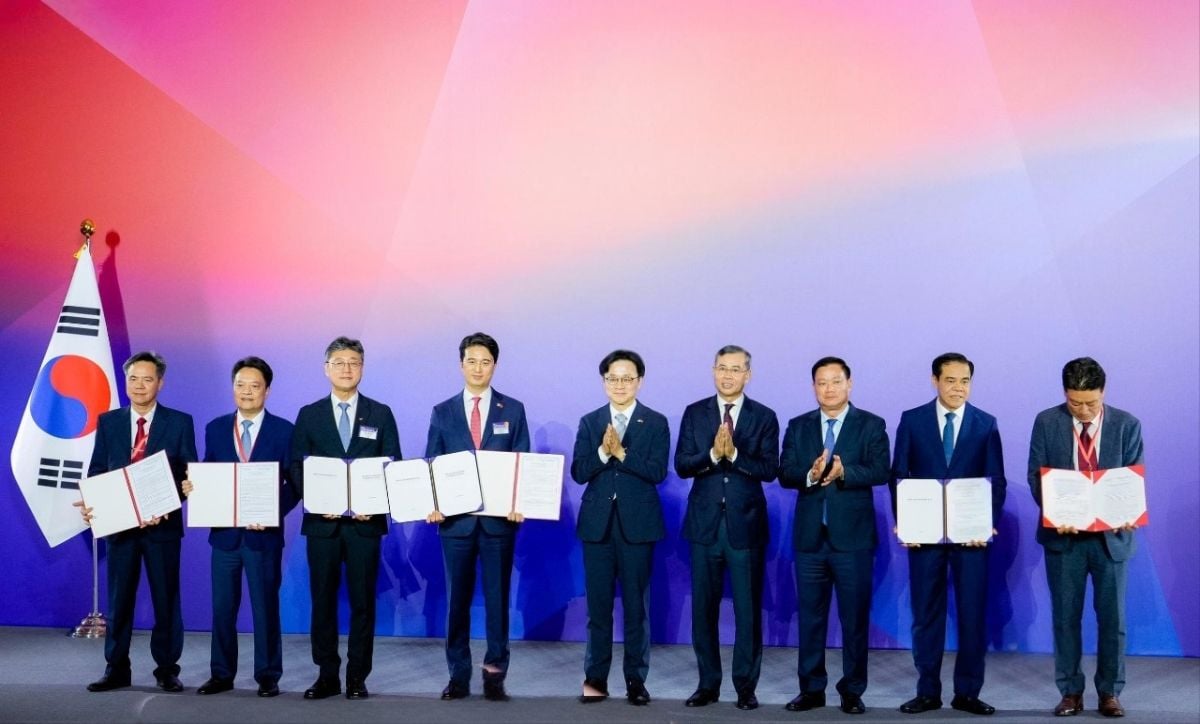
Recently, the Ho Chi Minh City People’s Committee held a ceremony to grant investment registration certificates to four high-tech projects in Q1 2026, in line with Resolution 57-NQ/TW of the Politburo on promoting economic growth.
Ho Chi Minh City has adopted the “special investment procedures” mechanism to create a streamlined legal framework, aiming to attract foreign direct investment (FDI) and domestic capital into cutting-edge technologies.
Speaking at the ceremony, Nguyen Ky Phung, head of the Management Board of the Ho Chi Minh City High-Tech Park, said that after 23 years of formation and development, the High-Tech Park has played a central role as a specialized economic-technical hub, contributing to urbanization and modernization.
To date, the value of production of high-tech products has exceeded US$203.3 billion, including exports of more than US$185.2 billion. The High-Tech Park currently employs nearly 54,000 workers.
In Q1 2026, the city issued investment registration certificates for four priority high-tech projects with total registered capital of US$1.23 billion, including both FDI and domestic capital.
The projects include:
The record investment inflows in Q1 2026 were cited as evidence of the attractiveness of Ho Chi Minh City’s investment environment to global technology groups.
Chairman of the Ho Chi Minh City People’s Committee Nguyen Van Duc said the city appreciates investors’ interest and will continue to facilitate investment and business procedures, standing ready to support investors when difficulties arise.
The projects awarded investment registration certificates today are expected to contribute directly to GRDP growth while reinforcing Ho Chi Minh City’s role as a center of innovation, digital infrastructure, and green–digital industry leadership in the region.



Premium gym chains are entering a “golden era” that is ending or already in decline, as rising operating costs collide with shifting consumer preferences toward more flexible, community-based ways to exercise. Long-term memberships are shrinking, margins are pressured by higher rents and facility expenses, and competition from smaller, more personalized…



