•
•
•
•
•
•
•
•
•
•
•
•
•
•
•
•
•
•
•
•
•
•
•
•
•
•
•
•
•
•
•
•
•


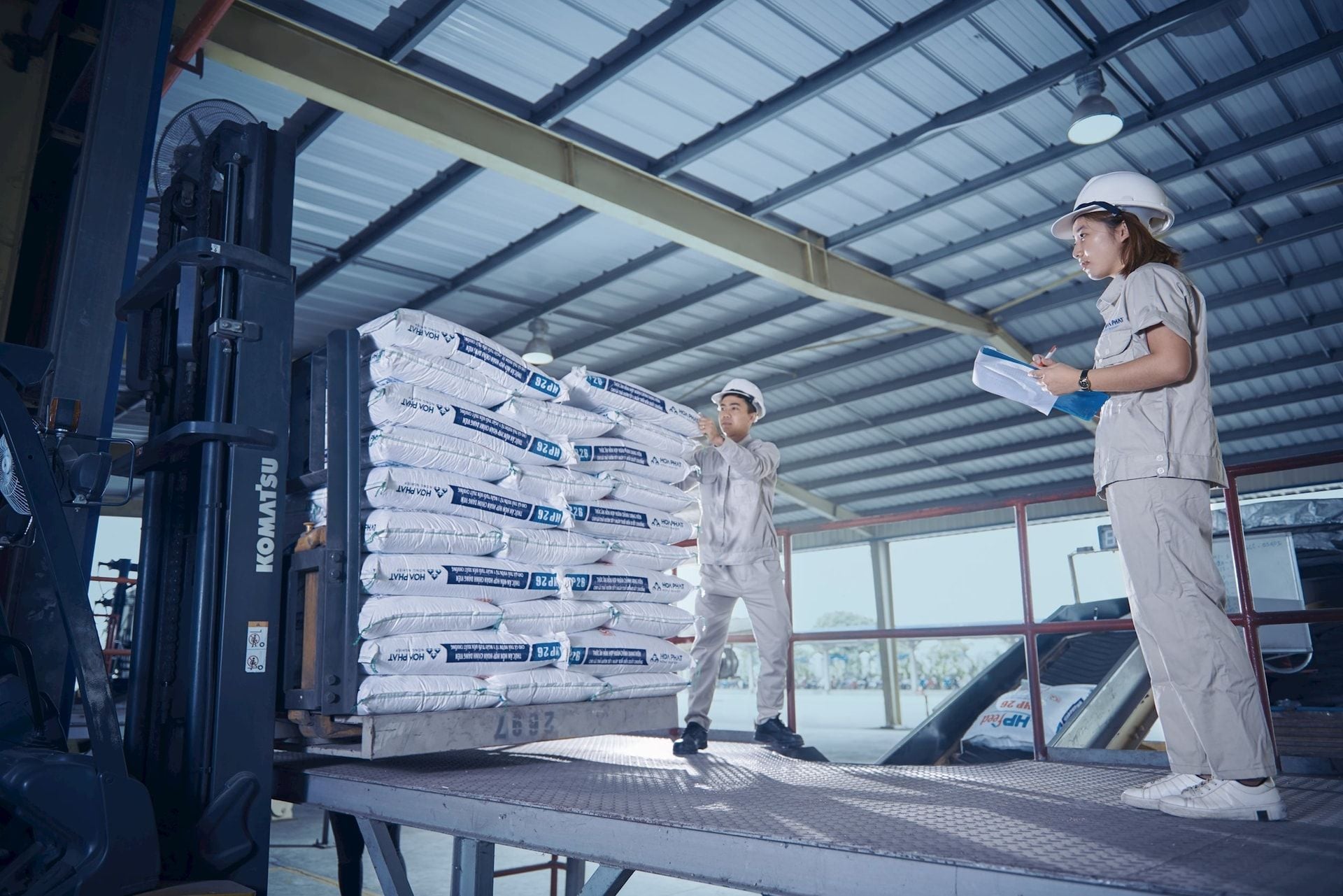
In Q1 2026, Hoa Phat sold about 46,000 tonnes of animal feed to the market, up 11% year-over-year, accounting for 53% of the company’s total output. Growth was recorded in both regions, with the South up 12.6% and the North up 9.7%. The pig feed segment drove the increase, representing 83% of total sales, compared with 79% in the same period last year.
Piglet formulas (01, 01S, 02) and hog formulas (02S, 03S) are described as highly regarded for quality. Together, these two lines accounted for more than 58% of the portfolio of over 150 products under the HPFEED and BIGBOSS brands. Distribution is carried out through more than 600 distributors nationwide.
The Middle East conflict disrupted an estimated 20% of the world’s oil supply. Diesel prices peaked at 44,780 VND per liter, lifting transport costs by 42% relative to February. At the same time, corn prices at Cai Lan port rose about 7%, while soybean oilcake prices increased nearly 24% since the conflict began. In response, most producers in the sector raised feed prices twice since early March.
Hoa Phat’s animal feed business implemented two price adjustments on March 21 and April 8, 2026, each lagging the market by about a week to share some cost pressure with customers. The cooperative approach and shared hardship with customers also contributed to higher market sales in Q1.
The Q1 performance continues the growth trend from 2025. Hoa Phat’s animal feed segment reached 357,000 tonnes in Q1, up 5.5% year-over-year. This figure surpassed the 340,000-tonne record set in 2021 and is the highest since 2015, when production began. In 2025, market sales were over 177,000 tonnes, up 7.3% year-over-year.
The company’s two plants in Hung Yen and Dong Nai have a combined capacity of 600,000 tonnes per year. The main equipment is sourced from the Netherlands, and the production process is fully automated. Nutrition formulas are validated on high-yield livestock breeds such as DanBred pigs and Hy-Line chickens at internal farms before market release. Products are stated to be free from growth promoters, antibiotics, and banned substances under current regulations.





Premium gym chains are entering a “golden era” that is ending or already in decline, as rising operating costs collide with shifting consumer preferences toward more flexible, community-based ways to exercise. Long-term memberships are shrinking, margins are pressured by higher rents and facility expenses, and competition from smaller, more personalized…