•
•
•
•
•
•
•
•
•
•
•
•
•
•
•
•
•
•
•
•
•
•
•
•
•
•
•
•
•
•
•
•
•


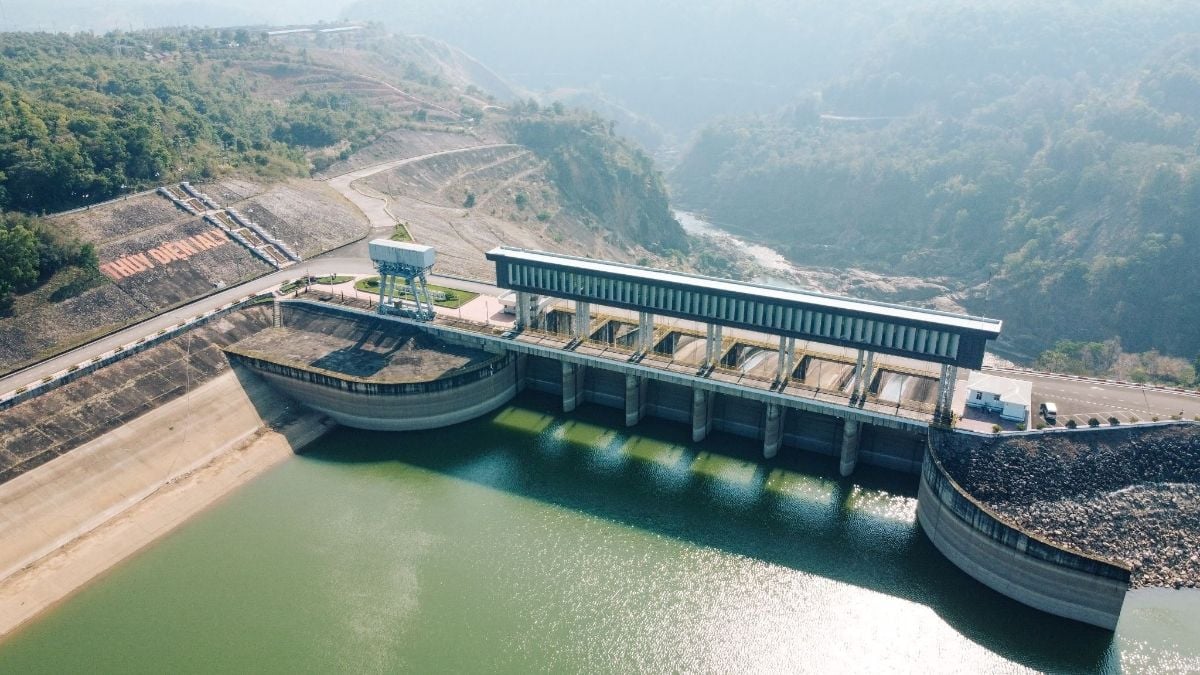
Expanding hydroelectric power using existing infrastructure has emerged as a strategic option for Vietnam’s Net Zero pathway by 2050. The approach can increase flexible, stable capacity, support the integration of variable renewable energy, and attract international green finance.
The Ialy Hydropower Plant, located on the Se San River system—one of the Central Highlands’ key energy corridors—illustrates how Vietnam is adapting its power system to rising demand while cutting greenhouse gas emissions.
Vietnam’s electricity system is undergoing a deep transformation as demand grows and emissions reduction becomes a priority. Under Electricity Plan VIII, by 2030 renewable energy—primarily wind and solar—is expected to take a large share of the energy mix.
However, wind and solar generation depends on weather conditions and is highly variable. When weather changes abruptly, output can drop quickly, creating pressure on grid balancing. In this context, dispatchable power sources such as hydropower are viewed as crucial balancing assets because they can start quickly and adjust output flexibly to compensate for shortfalls from renewables.
Rather than building new large hydro facilities, expanding existing hydropower plants is presented as a strategic solution for the energy transition. Expansion allows the project to maximize the use of existing infrastructure, including reservoirs, dams, water tunnels, and transmission systems.
This can significantly reduce costs related to land clearance, resettlement, and ancillary construction compared with new-build projects.
The Ialy expansion project has received strategic support from the European Union under sustainable energy transition cooperation. The EU component includes a non-repayable contribution for technical assistance and capacity building.
In addition, the project includes a long-term concessional loan of 74.7 million euros from the French Development Agency (AFD). The international partners are also described as supporting governance enhancement, transferring safety and environmental standards, and standardizing the HSE system to align with international norms.
The environmental performance of the Ialy expansion is expected to come from added capacity displacing part of fossil generation. The estimated additional clean electricity is expected to help reduce CO2 emissions by 100,000–200,000 tonnes per year, depending on the displaced energy mix.
The Ialy expansion is cited as demonstrating a new approach to energy development in Vietnam: optimizing existing energy assets rather than continuing to expand primarily through new, large-scale projects. The article argues that this can deliver higher economic, environmental, and operational efficiency in many cases.







Premium gym chains are entering a “golden era” that is ending or already in decline, as rising operating costs collide with shifting consumer preferences toward more flexible, community-based ways to exercise. Long-term memberships are shrinking, margins are pressured by higher rents and facility expenses, and competition from smaller, more personalized…



