•
•
•
•
•
•
•
•
•
•
•
•
•
•
•
•
•
•
•
•
•
•
•
•
•
•
•
•
•
•
•
•
•


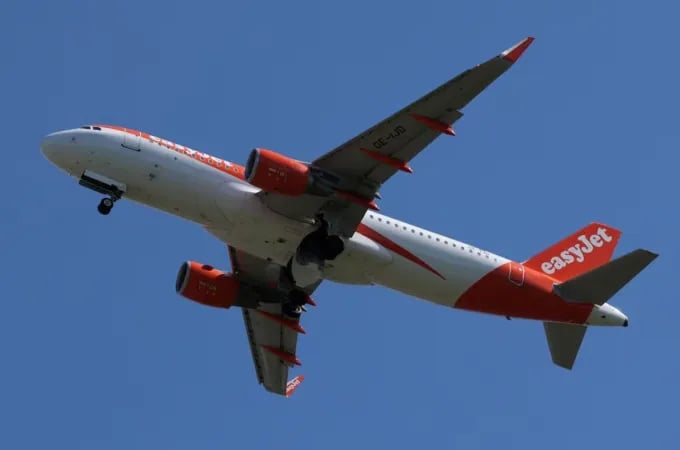
The International Energy Agency (IEA) warns that Europe has only a few weeks of aviation fuel remaining, raising the risk of shortages that could carry significant economic consequences. The IEA said some European countries could begin to see aviation-fuel shortages within six weeks, depending on how much additional supply they can import to replace volumes lost from the Middle East.
The Middle East previously accounted for about 75% of Europe’s net imports of aviation fuel, according to an IEA spokesperson speaking to CNBC on April 16. Analysts cited earlier this week echoed the assessment, pointing to constraints on moving oil through the Hormuz Strait.
Claudio Galimberti, chief economist at Rystad Energy, said on April 14 that the aviation sector’s outlook largely depends on how many barrels of oil can be moved through the Hormuz Strait. Rico Luman, senior economist at ING, said many ships have paused transiting there, adding that “supply from the Middle East has been exhausted, and we need replacements.”
The ACI Europe, which represents EU airports, said aviation transport generates about 851 billion euros (roughly $1 trillion) in GDP for European economies each year and supports 14 million jobs. It also warned that the peak travel season this summer will be disrupted, describing a “serious economic impact” for several member states that depend on this growth impulse.
EasyJet said the conflict in the Middle East and higher fuel costs are affecting ticket demand. It reported that bookings for year-end flights were down about 2% versus 2025. EasyJet also said fuel costs in March rose by about 25 million pounds (about $34 million), and that it must hedge against volatility with at least 70% of summer fuel.
In an interview with AP, IEA Director Fatih Birol warned that a blockade of the Hormuz Strait could pose the world’s biggest energy crisis, with broader economic impacts including higher prices for oil, gas, and electricity. He also said the energy crunch could intensify in April as oil supply tightens further.
Birol said: “The shortfall in oil for this month is expected to be double that of March, with inflation implications. I think the economic growth of many countries will slow, especially emerging economies. In many countries, energy management could come sooner than expected.”

Premium gym chains are entering a “golden era” that is ending or already in decline, as rising operating costs collide with shifting consumer preferences toward more flexible, community-based ways to exercise. Long-term memberships are shrinking, margins are pressured by higher rents and facility expenses, and competition from smaller, more personalized…