•
•
•
•
•
•
•
•
•
•
•
•
•
•
•
•
•
•
•
•
•
•
•
•
•
•
•
•
•
•
•
•
•
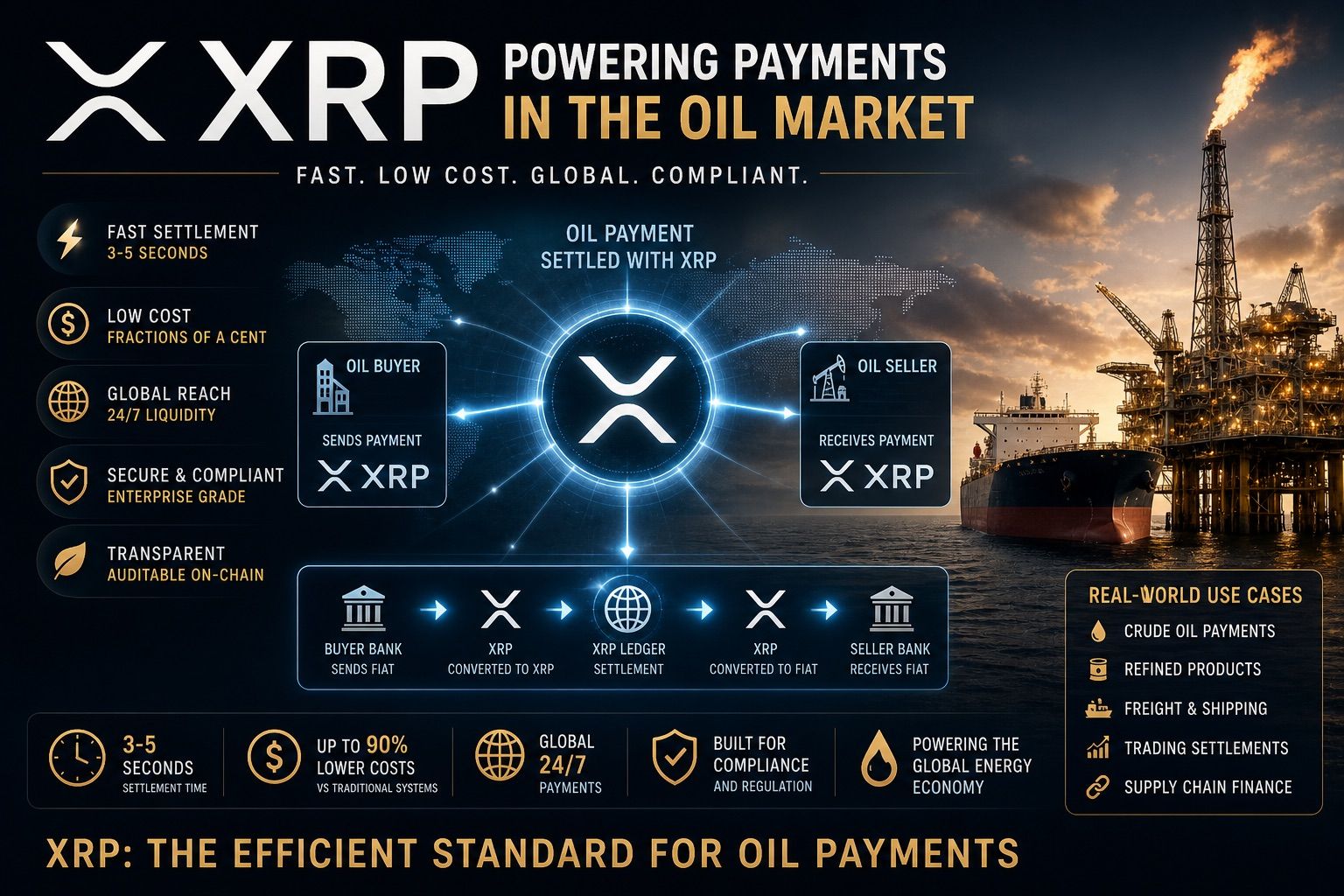
A new wave of speculation is growing in the crypto community about whether Ripple could be positioning the XRP Ledger (XRPL) closer to the global oil market. An XRP advocate pointed to Ripple’s recent expansion in the Middle East, alongside changes in international oil trade, as a potential signal of a move toward blockchain-based commodity settlement.
Stellar Rippler, a crypto market commentator and XRP supporter, outlined a theory connecting Ripple’s recent moves to broader shifts in global finance and energy markets. In a May 2 post on X, he asked, “oil on the XRP Ledger?” suggesting a possible link between Ripple and the evolving dynamics of oil trading.
Rippler said Ripple has established a new Middle East and African headquarters in the Dubai International Financial Center (DIFC). He argued the location is strategically positioned at the center of the UAE’s finance and internal capital flows.
According to the analyst, Dubai was chosen deliberately because the UAE plays a major role as a hub for both finance and energy trade. He said the move is less about simple expansion and more about deeper integration into regions where large-scale commodity transactions are negotiated and settled.
Rippler also cited the UAE’s exit from OPEC, which ended the 2016 agreement between Russia and Saudi Arabia. He said this gives the country more freedom to pump and sell oil to any destination it chooses.
He further linked the development to the UAE’s decision to recognize XRP and RLUSD as regulated currencies for payments within its borders.
In addition, Rippler referenced a 2025 oil transaction between India and the UAE that was settled in their respective currencies. He said such deals could be early steps toward reducing reliance on the US dollar, which has long been the dominant currency for oil trades.
Rippler pointed to ongoing discussions with BRICS countries about limiting the use of the US dollar in trade with other nations. He said that, rather than using the dollar, some BRICS members—including Japan and South Korea—have already begun adopting XRPL for cross-border payments.
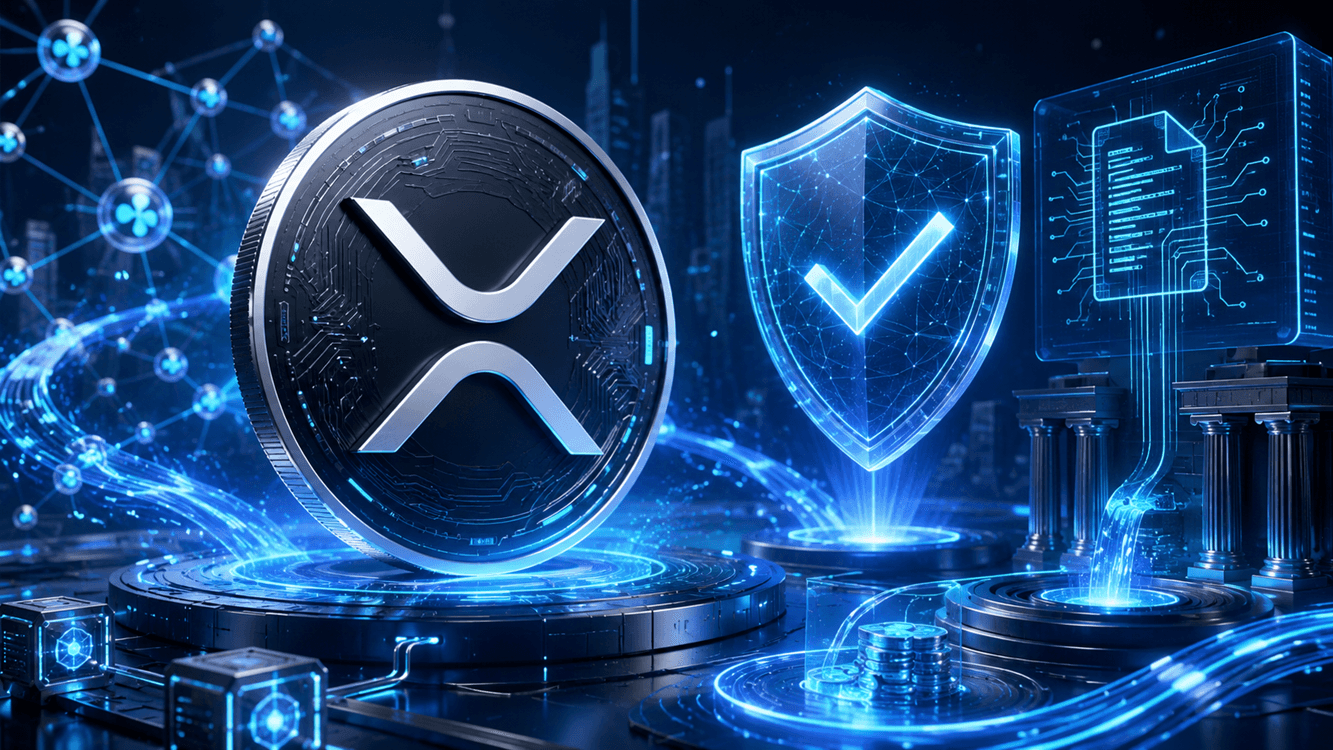
Building on these developments, Rippler argued that the XRP Ledger is currently the only “neutral, instant, compliant bridge asset” designed for settling cross-border payments, including those involving commodities such as oil, gold, and silver.
He also referenced remarks by Jamie Dimon, CEO of JPMorgan Chase, who publicly acknowledged that blockchain is a better technology for running parts of the global financial system. Rippler added that JPMorgan has suggested XRP as an ideal payment infrastructure for banks.
Overall, Rippler said these signals reinforce his theory that XRPL could evolve into a core settlement layer within Dubai’s changing commodity market.