•
•
•
•
•
•
•
•
•
•
•
•
•
•
•
•
•
•
•
•
•
•
•
•
•
•
•
•
•
•
•
•
•


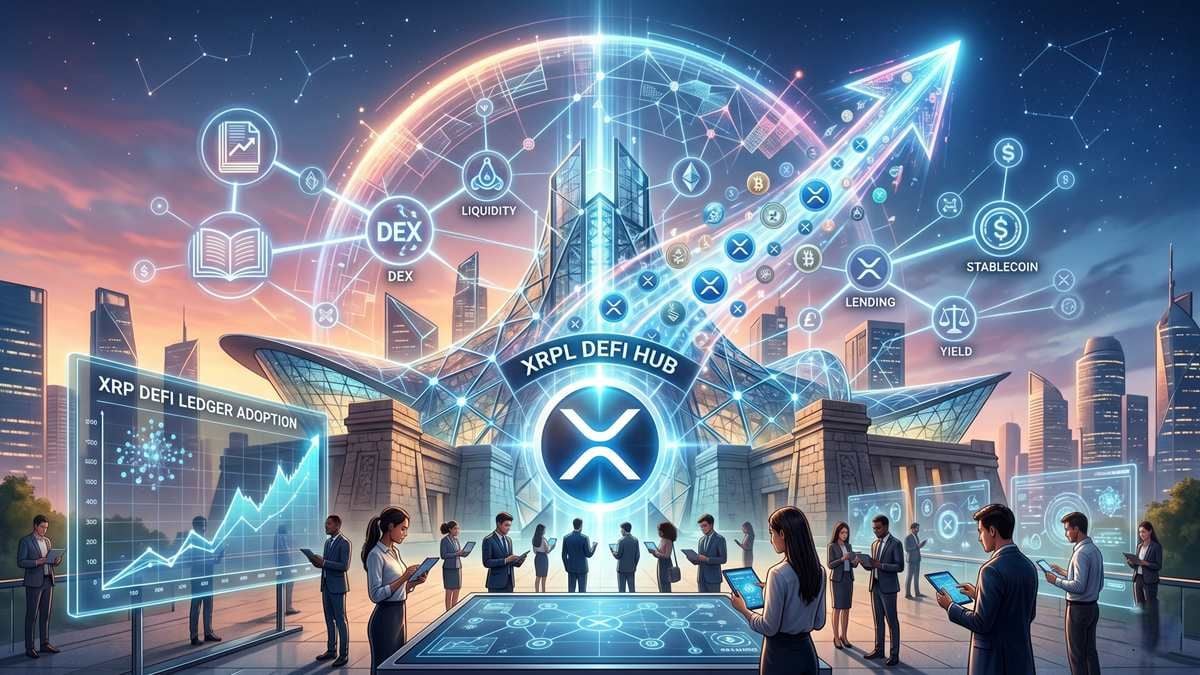
The debate this week has centered on the Ripple ecosystem, particularly after statements from experts that position XRP as the primary engine for the next major evolution of decentralized finance (DeFi).
Over the past few hours, market participants highlighted the asset’s resilience, pointing to its market capitalization and technical design as factors intended to bridge conventional finance and the emerging global digital economy.
Vet, an XRPL validator, argued that XRP’s network was created specifically for institutional applications, describing this as a competitive advantage. Vet said the network can process large volumes with efficiency comparable to traditional banking infrastructure (TradFi).
“Classic DeFi has a long way to go to replace TradFi completely as we can see. XRP will lead the new wave of DeFi. People aren't ready for it but it's inevitable, our protocol design choices are superior and more robust for high value use cases such as DeFi replacing TradFi.” — Vet (@Vet_X0) April 19, 2026
Despite the optimistic outlook, the narrative faced resistance. Hugo Philion said enthusiasm should be tempered with pragmatism, emphasizing that real performance under stress is the only valid measure of success in this sector.
Criticism has been widespread, but defenders of the network argue that the lower complexity of its design is a strength. They contend that by avoiding highly combinable smart contracts, the protocol reduces risk layers that can affect other chains.
Supporters also claim this approach helps the network avoid critical vulnerabilities that have led to million-dollar losses in other DeFi sectors. They add that Ripple appears to prioritize robustness over experimentation with staking mechanisms that could compromise security.
On the adoption front, recent data cited from CoinGecko suggests that trading volume on the network’s decentralized exchanges (DEX) remains behind leaders such as Ethereum or Solana, creating an immediate challenge for broader uptake.
Even with technical challenges and competition, many analysts view the shift toward a model where DeFi competes with—and replaces parts of—global financial infrastructure as inevitable. They argue that the network’s ability to scale without introducing systemic risks could place it in a favorable position.
According to this view, if the ecosystem attracts the transaction volume required, the impact on the crypto industry could be significant and long-lasting. Meanwhile, the simplified architecture is presented as a foundation for institutional integration in a decentralized finance landscape that remains both growing and volatile.






Premium gym chains are entering a “golden era” that is ending or already in decline, as rising operating costs collide with shifting consumer preferences toward more flexible, community-based ways to exercise. Long-term memberships are shrinking, margins are pressured by higher rents and facility expenses, and competition from smaller, more personalized…




