•
•
•
•
•
•
•
•
•
•
•
•
•
•
•
•
•
•
•
•
•
•
•
•
•
•
•
•
•
•
•
•
•


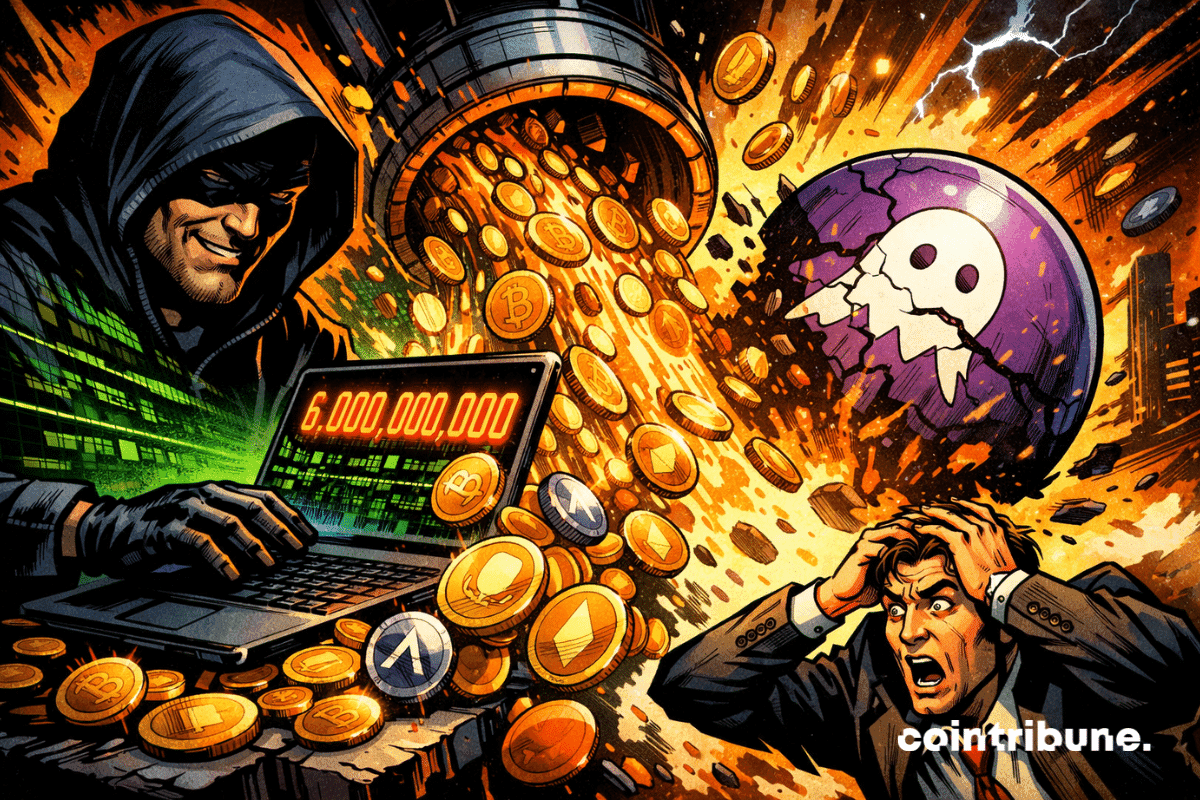
Aave lost more than $6 billion of deposits after the Kelp hack, and the episode is now shaping how the crypto market is reacting. The protocol was not hacked directly, but it faces a risk it did not create—one that has been enough to trigger a rapid capital flight and a drop in the AAVE token. According to CoinDesk and DeFiLlama, Aave’s total value locked fell from about $26.4 billion to less than $20 billion, while the token dropped around 16%.
The starting point was Kelp. The attack targeted the rsETH bridge, not Aave’s smart contracts. About 116,500 rsETH—nearly $292 million—were drained and then used as collateral on Aave V3 to borrow wrapped ether.
In other words, Aave was not “hacked” in the direct sense, but it accepted as collateral an asset whose backing value disappeared elsewhere. For the market, this distinction matters less than the practical effect: when collateral becomes doubtful, depositors look to exit, and in crypto that exit can be immediate.
Early assessments relayed over the weekend put the potential hole linked to Aave at roughly $177 million to $200 million. The figure is being treated as a real loss risk rather than an accounting nuance, because it would affect the core of one of DeFi’s largest lending platforms.
This case goes beyond a single exploit. It highlights that crypto risk does not stop at the protocol a user interacts with. Aave integrated liquid restaking tokens to capture yield, and these assets have taken a growing place in the Ethereum ecosystem. The approach appeared coherent, but it also introduced dependency on an external link in the chain.
Risk models can work under normal conditions—absorbing price moves, handling liquidations, and sometimes even volatility shocks. However, they are less effective when collateral suddenly loses credibility due to a compromised bridge on another layer of the system. That is the scenario this episode illustrates.
Aave remains heavily concentrated on Ethereum. DeFiLlama shows Ethereum is the largest share of its TVL, and CoinDesk notes that WETH weighs heavily in its borrowing book. As a result, the attack did not hit a marginal part of the system; it affected one of the most sensitive pairings in the protocol.
The key question is no longer only what happened, but who will pay for it. Aave initially indicated that its safety reserve, Umbrella, could absorb the shock. The messaging later became more cautious, and that shift was enough to deepen market doubt.
In decentralized finance, doubt can quickly become costly—reflected in the deposit outflows and the decline in AAVE’s price following the Kelp-linked collateral concerns.

Premium gym chains are entering a “golden era” that is ending or already in decline, as rising operating costs collide with shifting consumer preferences toward more flexible, community-based ways to exercise. Long-term memberships are shrinking, margins are pressured by higher rents and facility expenses, and competition from smaller, more personalized…