•
•
•
•
•
•
•
•
•
•
•
•
•
•
•
•
•
•
•
•
•
•
•
•
•
•
•
•
•
•
•
•
•


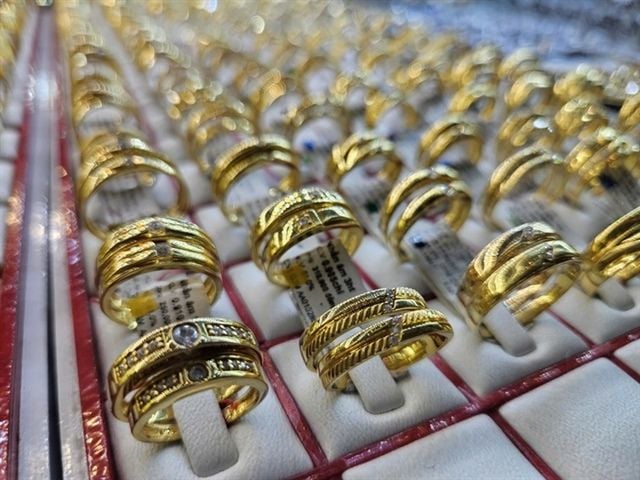
Gold prices fluctuated as Ho Chi Minh City market-management authorities launched a coordinated inspection drive of gold and jewelry businesses. On April 25, the Ho Chi Minh City Department of Market Management announced it was implementing the 2025 gold inspection plan, directing inspection teams to strengthen checks on compliance with laws governing gold and jewelry trading in the city.
Amid global political instability, both international and domestic gold prices have been volatile, creating challenges for consumers. Market-management forces said they have actively implemented coordinated inspection measures under a specialized gold program to monitor gold and jewelry trading in Ho Chi Minh City.
Market Control Team No. 5, covering Xóm Chiếu, Khánh Hội, Vĩnh Hội, Chợ Quán, An Đông, and Chợ Lớn—an area with many jewelry stores—conducted inspections and sanctioned three gold trading businesses for goods of unclear origin. The value of the violations was reported at 135 million VND. The total penalties amounted to 210 million VND.
Market Control Team No. 9 in the Thủ Đức area (the former city district) detected and penalized 9 organizations for violations involving the sale of goods with unclear origin, including jewelry, within the regulated sector. Administrative penalties reached 506 million VND. Confiscated assets included 39 units of jewelry lacking clear origin or labeling, valued at 331 million VND.
Following the expansion that merged Ho Chi Minh City with Bình Dương and Bà Rịa–Vũng Tàu, market-management authorities in those areas have intensified actions. Teams 19 and 22 led inspections of 12 jewelry shops across the two areas. Initial results included confiscation of goods without labels or unclear origin valued at over 300 million VND, with state revenue collected of 700 million VND.
In the coming period, the Market Management Department said it will continue directing inspection teams to enhance oversight, monitor gold trading and jewelry activities, promptly detect and sanction violations in gold and jewelry trading, stabilize the market, and protect consumer rights.

Premium gym chains are entering a “golden era” that is ending or already in decline, as rising operating costs collide with shifting consumer preferences toward more flexible, community-based ways to exercise. Long-term memberships are shrinking, margins are pressured by higher rents and facility expenses, and competition from smaller, more personalized…