•
•
•
•
•
•
•
•
•
•
•
•
•
•
•
•
•
•
•
•
•
•
•
•
•
•
•
•
•
•
•
•
•


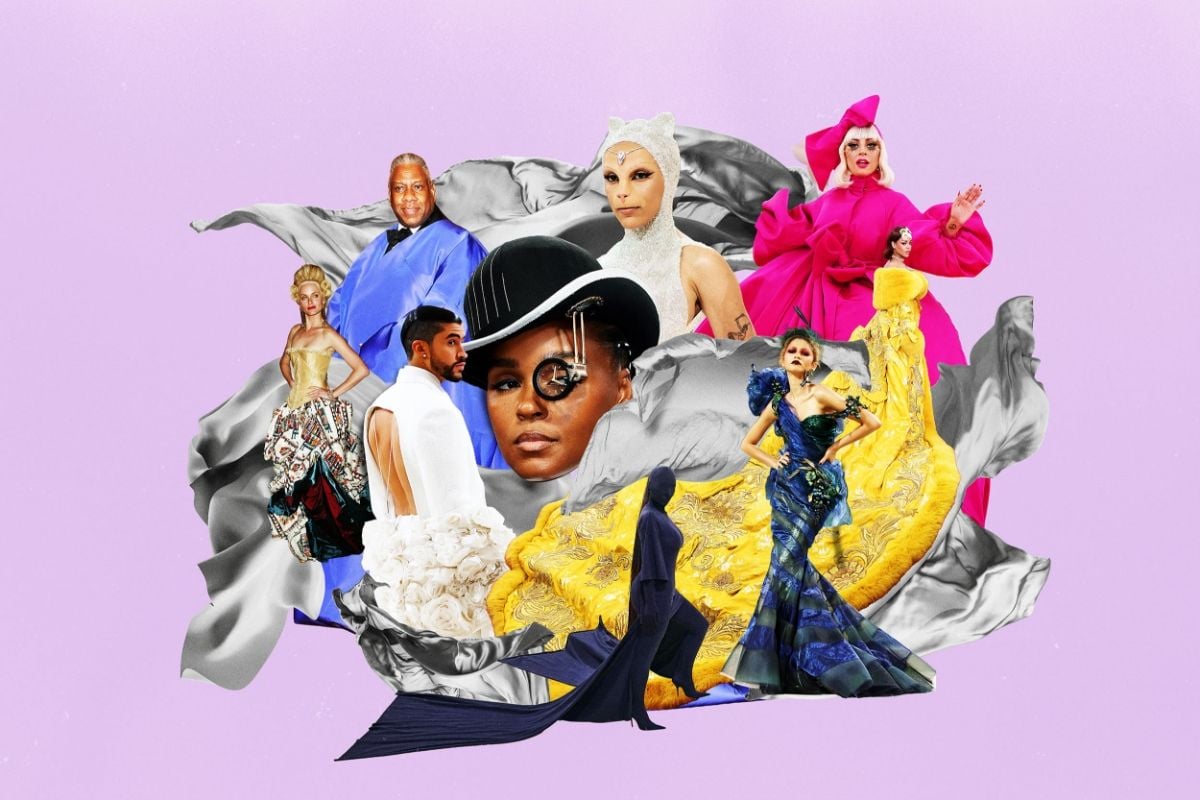
Met Gala operates as more than a single-night event at the Metropolitan Museum of Art in New York. In the digital economy, attention has become a valuable asset, and Met Gala functions as a major “image value” engine that turns focus into revenue within hours of the event. A moment on the red carpet can lift a brand’s media value overnight, and a single Instagram post by a celebrity can generate advertising impact comparable to multi-million-dollar campaigns. In this sense, Met Gala is increasingly viewed as an “image trading floor” for the global luxury industry.
This year’s theme, “Fashion is Art,” frames the entire evening as a unified visual experience, spanning the red carpet as well as lighting, table settings and the menu.
Media reports indicate that individual tickets for this year’s Met Gala can reach up to $100,000. A table for seasoned guests—described as sponsoring designers on the red carpet—can exceed $350,000 depending on location and appearance rights. Only less-famous invitees are typically reported to purchase their own tickets.
Fashion, cosmetics, jewelry, watches and technology brands are said to fund appearances to place celebrities and influencers on the red carpet. In practice, brands are not buying seats primarily to dine, but rather the ability to appear across the global media ecosystem, including Getty Images photos, TikTok videos, Vogue coverage, Instagram trends and billions of social impressions.
The 2026 program gives gastronomy a larger part in building that image system. Previously, gala dinners were described as secondary, but now the menu is treated as part of the visual communication strategy. Olivier Cheng, who is again leading the gastronomy, is described by several international magazines as a “creative director of the experience” rather than a traditional chef.
The full menu is presented as a mini fashion collection with three sections: “Garden,” “Sculpture” and “Form.” Dishes mentioned include a first course of burrata with green tomatoes, crispy bread crumbs and berries, presented like a summer garden, as well as roasted lamb with morel mushroom cream. Dessert options cited include chocolate-raspberry, strawberry pavlova, and a coffee-chocolate cake with white chocolate, designed to be visually striking while remaining light enough for guests in tight outfits.
The approach reflects how modern luxury treats food not only as a taste experience but also as a tool for image production. A dish is described as needing to meet multiple criteria: it should photograph well under flash, avoid strong odors, not smear makeup, not interfere with guests’ clothing in tight outfits, and not feel heavy. Above all, it must not disrupt the “visual story” of the night.
As a result, international press has highlighted a so-called “forbidden” list at Met Gala, including garlic, onions, chives, breadcrumbs and other items that can smell or soil clothing.
More broadly, the coverage points to a post-pandemic shift in luxury consumption. Where the industry previously emphasized logo-driven display, large designs and overt statements, recent years have seen ultra-wealthy consumers favor a more restrained, softer aesthetic that remains sophisticated. The argument presented is that status is increasingly signaled through mastery of style—shaping taste rather than displaying wealth directly.
Social media has shifted the conversation around outfits into a market for attention. Met Gala is presented as a clear example of the global image economy, where experiences and appearances can be translated into commercial value through attention.
Premium gym chains are entering a “golden era” that is ending or already in decline, as rising operating costs collide with shifting consumer preferences toward more flexible, community-based ways to exercise. Long-term memberships are shrinking, margins are pressured by higher rents and facility expenses, and competition from smaller, more personalized…