•
•
•
•
•
•
•
•
•
•
•
•
•
•
•
•
•
•
•
•
•
•
•
•
•
•
•
•
•
•
•
•
•


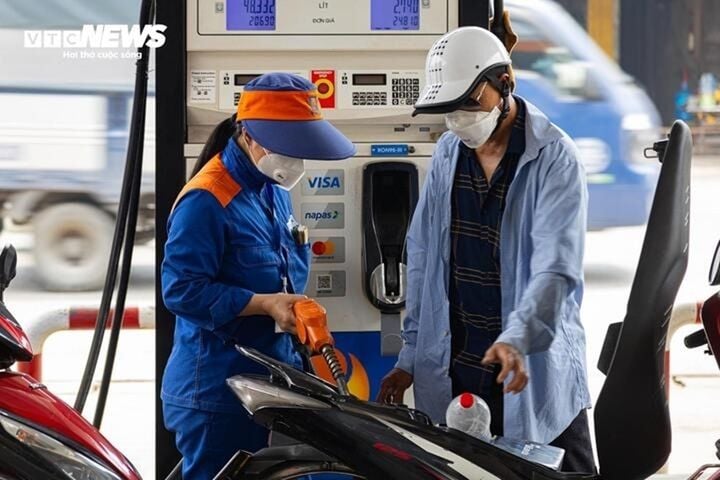
The Ministry of Finance has proposed extending the 0% import tax on gasoline and oil under Decree 72/2026 until 30 June 2026.
The Ministry submitted an appraisal dossier to the Ministry of Justice for a Government resolution to extend the effective date of Decree 72/2026/ND-CP dated 9 March 2026. Decree 72 amends the most-favored-nation (MFN) tariff rates for several gasoline and oil products and for inputs used to produce gasoline and oil.
Decree 72 is currently in effect from 9 March to 30 April 2026, reducing MFN import tax for many gasoline products to 0%. Under the decree, the tax on unleaded gasoline (including RON 95) and blending inputs was cut from 10% to 0%. Diesel and aviation fuel were reduced from 7% to 0%. Several gasoline production inputs—including naphtha, reformate, condensate, among others—were also set at 0%.
In the draft resolution, the Ministry of Finance proposes extending the application of Decree 72 by two months, to 30 June 2026. The drafting agency also recommends expanding the list of items eligible for the 0% rate to include additional inputs under HS codes 2710.19.20 (crude oil with light fractions separated), 2710.19.89 (other middle distillates and derivatives), and 2711.19.00 (others).
The Ministry of Finance said the tax reduction under Decree 72 has shown clear effectiveness since implementation. It argues that bringing import tax to 0% helps enterprises diversify supply sources and reduces adverse impacts from fluctuations in global energy prices.
It also cited the ongoing Middle East conflicts, which continue to disrupt supply chains from traditional markets such as Korea and ASEAN. The 0% tariff policy, according to the Ministry, has helped domestic firms access alternative sources outside the region, supporting domestic gasoline supply and improving the resilience of trading companies.
Despite the benefits, the Ministry noted that geopolitical tensions in the Middle East still create instability in global supply and keep energy prices on an upward trend. Representatives from Vietnam Oil and Gas Group and Bình Sơn Refinery said that even if the conflict ends, the region’s oil and gas infrastructure would require at least 5–7 weeks to restore operating capacity.
The Ministry warned that if the 0% tariff policy ends on 30 April 2026, the market could face a supply shortfall again. It added that import costs from sources benefiting from preferential tariff treatment under agreements such as ATIGA or VKFTA remain high, which could further pressure enterprises.
Based on these factors, the Ministry of Finance said issuing a resolution to extend Decree 72 is necessary. The policy is expected to continue lowering input costs, support enterprises in maintaining stable operations, and help ensure domestic gasoline supply amid volatility in the global energy market.
Premium gym chains are entering a “golden era” that is ending or already in decline, as rising operating costs collide with shifting consumer preferences toward more flexible, community-based ways to exercise. Long-term memberships are shrinking, margins are pressured by higher rents and facility expenses, and competition from smaller, more personalized…




