•
•
•
•
•
•
•
•
•
•
•
•
•
•
•
•
•
•
•
•
•
•
•
•
•
•
•
•
•
•
•
•
•


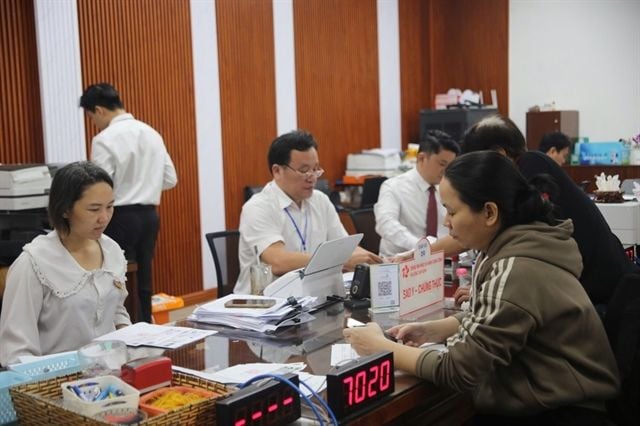
The Ministry of Home Affairs has proposed adjusting the base salary to 2,530,000 dong per month starting July 1, 2026, and has outlined the funding sources to implement the change. The Ministry of Justice is reviewing a draft Decree regulating the base salary and bonus regime for civil servants, public employees, and members of the armed forces.
Under the draft Decree, the base salary would be set at 2,530,000 dong per month from July 1, 2026. For central agencies applying special financial mechanisms, the draft states that the salary differential for civil servants will be preserved.
Specifically, the differential between June 2026 income and the new salary from July 1, 2026 will be maintained after revising or abolishing the special mechanisms. During the transition period, monthly salary and additional income are calculated using the base salary of 2,530,000 dong per month, but total income must not exceed the June 2026 entitlement. The provision does not include portions of salary and increases arising from grade or rank promotions.
The preliminary draft Decree also sets out how the base salary adjustment will be financed from July 1.
To implement the base salary adjustment, localities may use remaining funds from the 2025 salary reform and costs saved from administrative reforms. The draft also allows mobilizing some funds from the central budget to cover any remaining shortfalls in 2026.
Localities must reserve at least 40% of retained revenue for direct costs of service provision, including at least 35% of revenue from public health services reserved on the same basis as above.
According to the draft Decree, the base salary of 2,530,000 dong per month applies to central and local civil servants, staff in public service units, workers under labor contracts, members of certain government bodies, and other categories listed in the Decree. The Cabinet’s drafting of this provision is intended to cover civil service and related roles broadly.






Premium gym chains are entering a “golden era” that is ending or already in decline, as rising operating costs collide with shifting consumer preferences toward more flexible, community-based ways to exercise. Long-term memberships are shrinking, margins are pressured by higher rents and facility expenses, and competition from smaller, more personalized…