•
•
•
•
•
•
•
•
•
•
•
•
•
•
•
•
•
•
•
•
•
•
•
•
•
•
•
•
•
•
•
•
•


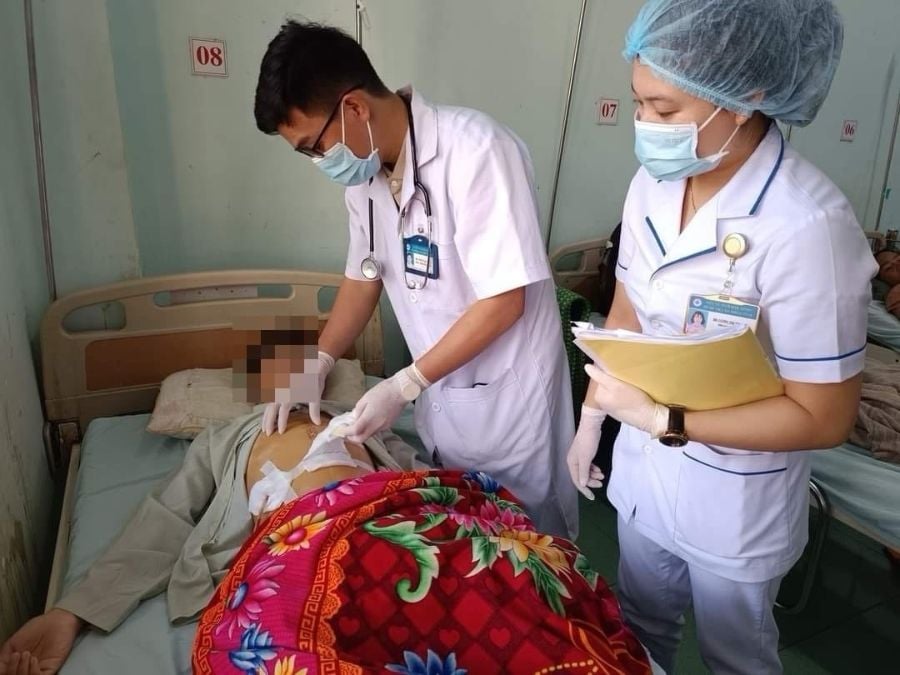
The Ministry of Health, in a summary report evaluating the implementation of Decree No. 56/2011/ND-CP on the professional allowance regime for civil servants and public employees working at public health facilities, said that professional allowance levels vary across fields due to the characteristics of each sector.
The average professional allowance across the health sector is 43.2%. The distribution shows the highest share at 40% (60%), followed by 60% (10.8%), 20% (9.3%), 50% (8.3%), 70% (8.2%), 30% (3.3%), and other levels at 0.1%.
For the clinical examination and treatment field, the average professional allowance is 43.3%. The highest share is 40%, followed by 60%, 20%, 50%, 70%, and 30%.
The Ministry noted that medical specialties have different allowance structures. In particular, occupational and pulmonary medicine, dermatology and venereology, psychiatry and tropical medicine were highlighted as reflecting the characteristics of their respective sectors.
The report also states that dermatology-venereology and tropical diseases have a notable share at 70%, corresponding to the group directly examining, treating, nursing, and serving patients with leprosy and HIV/AIDS.
Other common specialties—such as surgery, obstetrics, pediatrics, traditional medicine, rehabilitation, ophthalmology, dentistry and maxillofacial, otolaryngology, among others—mainly concentrate at 40%, though the exact structure varies by specialty.
The 60% level also accounts for a significant share in pediatric hospitals, reflecting the impact of infectious disease specialties.
Some specialties were also described as having their own characteristic structures, including hematology and transfusion, oncology, and burns.
In the preventive field, the average professional allowance is 42.7%, with the highest share at 40% (69.3%), followed by 70%, 60%, 30%, 20%, 50%, and other levels.
In the testing/inspection field, the average is 37%. The highest share is 40% (83.2%), followed by 20% (15.8%), and 70% (0.6%).
For forensic medical examination, the average is 58.9%, with the highest share at 70%, followed by 30%, 40%, and 20%.
In the medical appraisal field, the average professional allowance is 35.9%, with the distribution concentrated at 40% (79.2%) and 20% (20.6%).
At commune health posts, the average professional allowance is 43.8%. The highest share is 40%, followed by 20%, 30%, 60%, 50%, and 20%.
Overall, the Ministry said that although the professional allowance regime was issued in 2011, its implementation has revealed shortcomings in scope, beneficiaries, and the level of professional allowances.
According to studies by the Institute for Health Strategy and Policy, some tasks should be reviewed and adjusted to align the professional allowance with disease patterns and the health sector’s development direction.
The report also notes that many positions in the health sector have been proposed to receive a 100% allowance.

Premium gym chains are entering a “golden era” that is ending or already in decline, as rising operating costs collide with shifting consumer preferences toward more flexible, community-based ways to exercise. Long-term memberships are shrinking, margins are pressured by higher rents and facility expenses, and competition from smaller, more personalized…