•
•
•
•
•
•
•
•
•
•
•
•
•
•
•
•
•
•
•
•
•
•
•
•
•
•
•
•
•
•
•
•
•



Renowned investor and media personality Kevin O’Leary said Sunday that investors only need Bitcoin and Ethereum to capture the majority of cryptocurrency market exposure, dismissing all other coins as “garbage.”
O’Leary, also known as “Mr Wonderful,” shared a clip from his appearance on The Breakdown dated April 14. In the clip, he argued that BTC and ETH provide the liquidity investors need and help capture 95%–97% of crypto volatility.
He said, “The rest? Noise. No liquidity, no institutional interest, no future,” adding, “I cut the garbage and kept what works.”
O’Leary said he reduced his cryptocurrency portfolio from 27 holdings to three. He also cited adding USDC after the October 2025 cryptocurrency crash, and he does not expect altcoins to rebound strongly.
He added that “scraping away” altcoins since last October has been healthy for the ecosystem.
O’Leary’s remarks align with his prior stance that BTC and ETH are the true “gold standards” of crypto. He previously said Bitcoin and Ethereum accounted for 90% of his cryptocurrency portfolio.
CoinMarketCap’s Altcoin Season Index was 37 as of this writing, suggesting a moderate “Bitcoin Season.” Altcoin Season typically occurs when 75% of the top 100 coins outperform Bitcoin over the last 90 days.
Over the last 30 days, the total market share of altcoins contracted from 30.9% to 29.7%, while Bitcoin’s dominance rose from 58.4% to 59.2%.
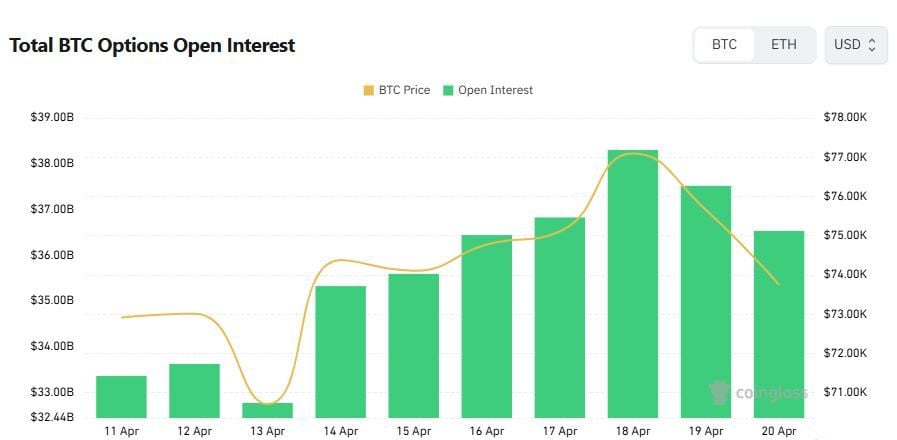
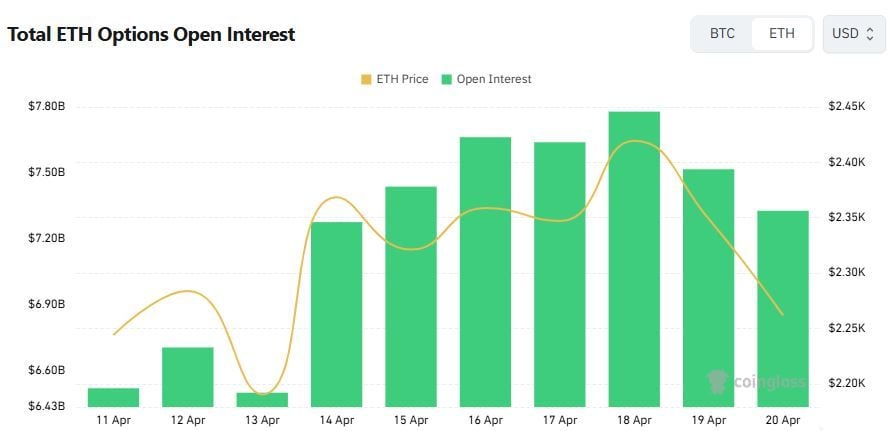
At the time of writing, Bitcoin was trading at $74,655.17, down 1.17% over the last 24 hours, according to Benzinga Pro data. Ethereum was down 2.36% at $2,285 at last check.
Disclaimer: This content was partially produced with the help of Benzinga Neuro and was reviewed and published by Benzinga editors.





Premium gym chains are entering a “golden era” that is ending or already in decline, as rising operating costs collide with shifting consumer preferences toward more flexible, community-based ways to exercise. Long-term memberships are shrinking, margins are pressured by higher rents and facility expenses, and competition from smaller, more personalized…