•
•
•
•
•
•
•
•
•
•
•
•
•
•
•
•
•
•
•
•
•
•
•
•
•
•
•
•
•
•
•
•
•


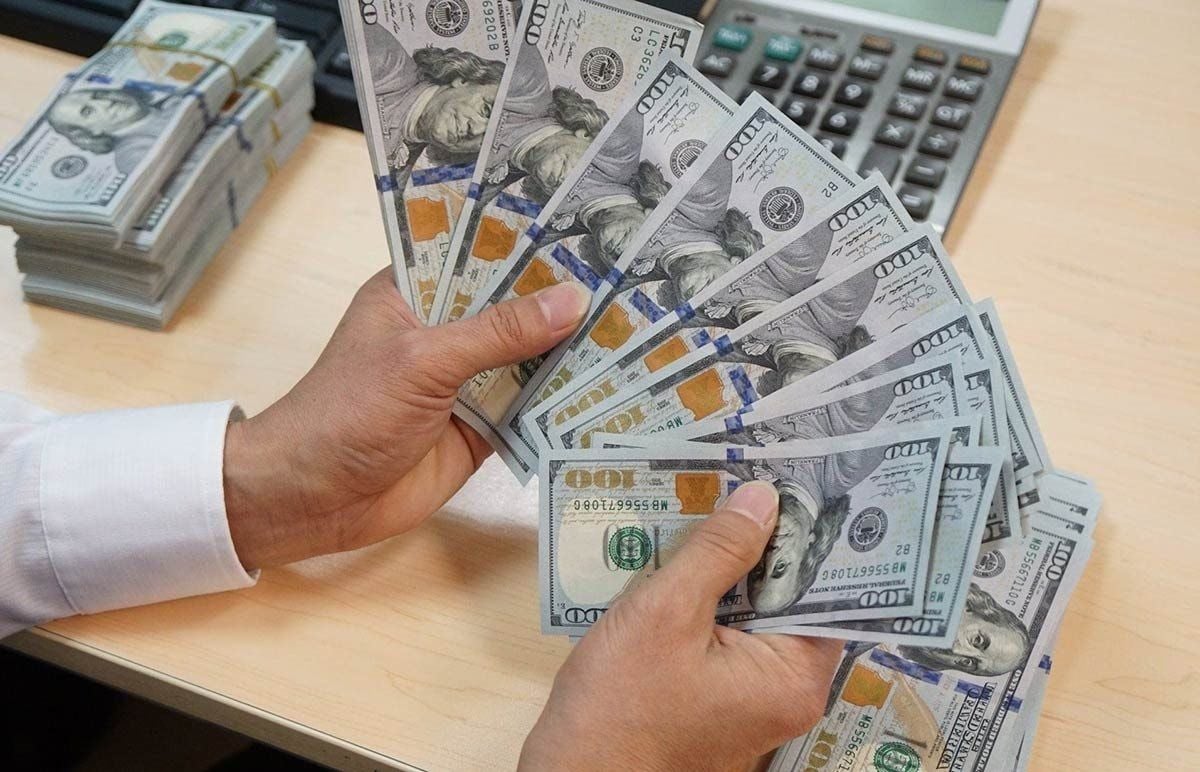
Vietnam’s government has issued Decree 340/2025/NĐ-CP on administrative penalties in the monetary and banking sector. The decree will take effect on February 9, 2026.
Under Decree 340/2025/NĐ-CP, individuals who buy or sell foreign currencies in violation of the law face penalties that increase based on the transaction value. In certain cases, violators may also be subject to additional measures, including confiscation of the assets involved in the violation.
Individuals will receive a warning if they:
…when the transaction value is below 1,000 USD (or an equivalent amount in another currency), and when the payment is not in accordance with regulations.
For violations involving foreign-currency buying/selling with a value from 1,000 USD to below 10,000 USD, individuals may be fined from 10 million to 20 million VND. This same fine range also applies to paying for goods or services with foreign currency within the same value bracket when the payment is not compliant with the law.
The decree also states that this penalty level applies to repeat violations or multiple violations for transactions under 1,000 USD.
When the value of buying/selling foreign currency is from 10,000 USD to below 100,000 USD, the monetary penalty increases to 20 million to 30 million VND. The decree similarly applies this level to paying for goods or services with foreign currency in the same value range when not in accordance with the law.
For more serious violations where the value of buying/selling foreign currency is from 100,000 USD or more, individuals may be fined from 80 million to 100 million VND. The same penalty range applies to paying for goods or services with foreign currency from 100,000 USD or more when not compliant with the law.
Beyond monetary fines, the decree provides for confiscation of foreign currency or Vietnamese dong in certain circumstances. Specifically, confiscation may apply when individuals:








Premium gym chains are entering a “golden era” that is ending or already in decline, as rising operating costs collide with shifting consumer preferences toward more flexible, community-based ways to exercise. Long-term memberships are shrinking, margins are pressured by higher rents and facility expenses, and competition from smaller, more personalized…