•
•
•
•
•
•
•
•
•
•
•
•
•
•
•
•
•
•
•
•
•
•
•
•
•
•
•
•
•
•
•
•
•


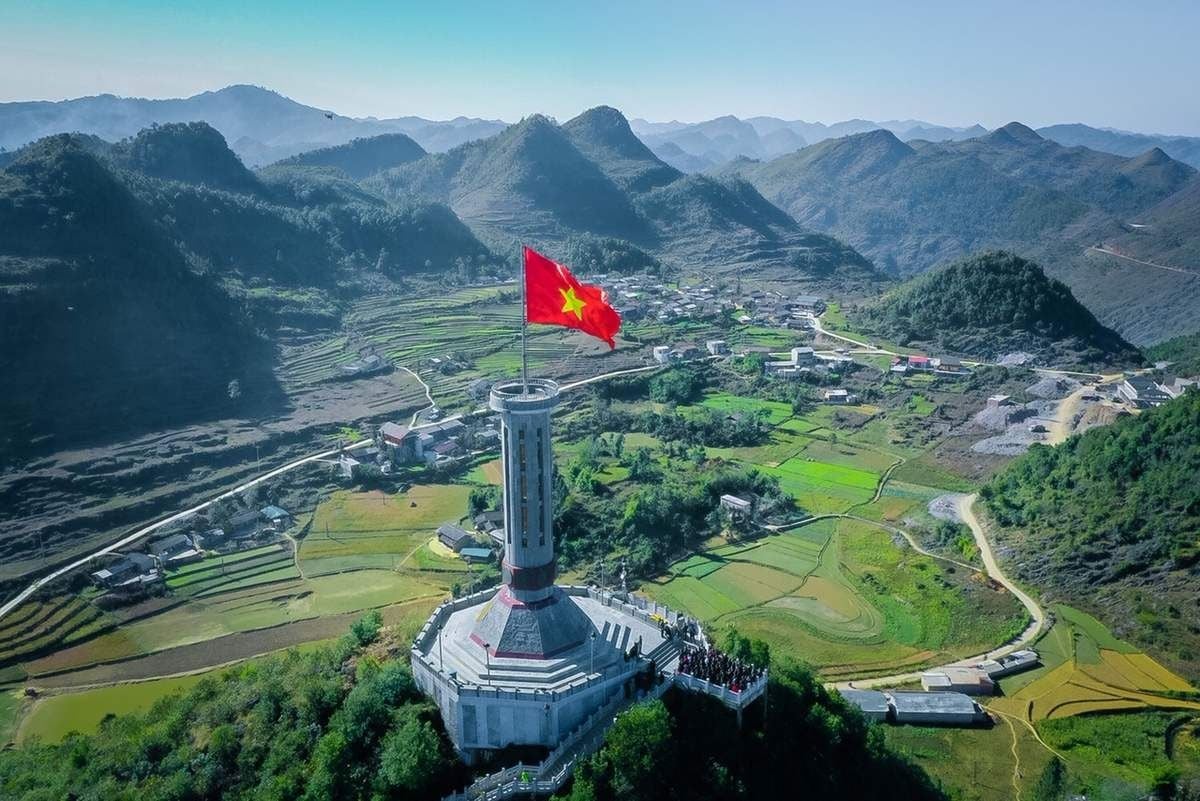
After completing the adjustment of administrative boundaries, local authorities quickly streamlined their machinery and rolled out new development directions. Since then, many destinations have prepared to welcome the peak of domestic tourism during the summer of 2026 with substantial growth potential.
Tuyên Quang chose to restructure the tourism industry vertically, with culture as the “lifeblood” running through. After the merger, Lâm Đồng gained pristine forests, an international border with Cambodia, and a 200km coastline. According to statistics, Lâm Đồng’s area as of July 1, 2025 is about over 24,000 km²—the largest in the country and among the most diverse topographies.
The change is expected to support Lâm Đồng’s tourism development by improving both economic prospects and visitor experiences. In addition to the cool climate, the pine hills of Đà Lạt, and waterfalls on the plateau, Lâm Đồng also has beaches such as Mũi Né, Hòn Rơm, Cổ Thạch, and Kê Gà, along with border gates like Bù Prang – Tuy Đức. These resources are intended to underpin resort tourism, cross-border tourism, and ecotourism.
After merging Hà Giang and Tuyên Quang, Tuyên Quang forms a tourism space with a structure different from before. Historical revolutionary sites, Na Hang – Lâm Bình ecologies, the Đồng Văn Karst Plateau, and Hoàng Su Phì are integrated into a unified whole, combining cultural-historical depth with spectacular landscapes.
After the merger, Gia Lai is described as having resources spanning from sea to plateau, combining forests, coastline, and diverse cultural identities. Đỗ Thị Diệu Hạnh, Director of the Department of Culture, Sports and Tourism of Gia Lai, said that after Gia Lai and Bình Định merged, the plateau region became the core of the Central Highlands gong culture space—an intangible cultural heritage of humanity.
In the central highland and coastal areas, scenic systems such as Kỳ Co, Eo Gió, Hòn Khô, and high-value cultural-historical assets like Cham towers and Bánh Ít towers, together with traditional performance arts, contribute to a multi-layered tourism identity. This cultural intersection is positioned as a competitive edge for Gia Lai during the National Tourism Year.
After the merger, Đắk Lắk is said to host rich tourism resources, combining highland plateau and southern-central coast characteristics. With 49 ethnic groups, Đắk Lắk also has diversity in customs, traditions, and cultural practices across regions. This is expected to create a cultural–ecotourism–resort axis “sea – forest,” helping reposition the area on the national tourism map.
For 2026, Đắk Lắk targets total tourism revenue of about 16 trillion VND, up 17% from 2025, and expects 8 million visitors, up 9% from 2025.
With the theme “Đắk Lắk – Về miền di sản,” from now until the end of the year the province plans to mobilize and effectively use social resources to invest in tourism development. It also aims to attract strategic investors, calling for investment in ecotourism, resort tourism, entertainment complexes, and large-scale tourism service complexes, while strictly controlling environmental protection and resource conservation to support sustainable growth.
Mr. Trần Hồng Tiến, Director of the Department of Culture, Sports and Tourism of Đắk Lắk, said the province is investing in and researching community tourism models linked to heritage, focusing on building and operating a themed heritage–geology tourism route (sea – forest – community tourism village) as a basis to evaluate and scale up.
In 2026, Đắk Lắk aims for total tourism revenue of about 16 trillion VND.
Recently, Ninh Bình province issued a plan to organize the 2026 Ninh Bình Summer Tourism Week. The program highlights a summer maritime tourism opening night at Thịnh Long Beach Tourist Area. The event is intended to showcase coastal destinations and summer products, while a space promoting OCOP products and seafood cuisine will run from April 27 to May 3, with about 50 booths, contributing to promoting local cultural and culinary assets.


Premium gym chains are entering a “golden era” that is ending or already in decline, as rising operating costs collide with shifting consumer preferences toward more flexible, community-based ways to exercise. Long-term memberships are shrinking, margins are pressured by higher rents and facility expenses, and competition from smaller, more personalized…




