•
•
•
•
•
•
•
•
•
•
•
•
•
•
•
•
•
•
•
•
•
•
•
•
•
•
•
•
•
•
•
•
•


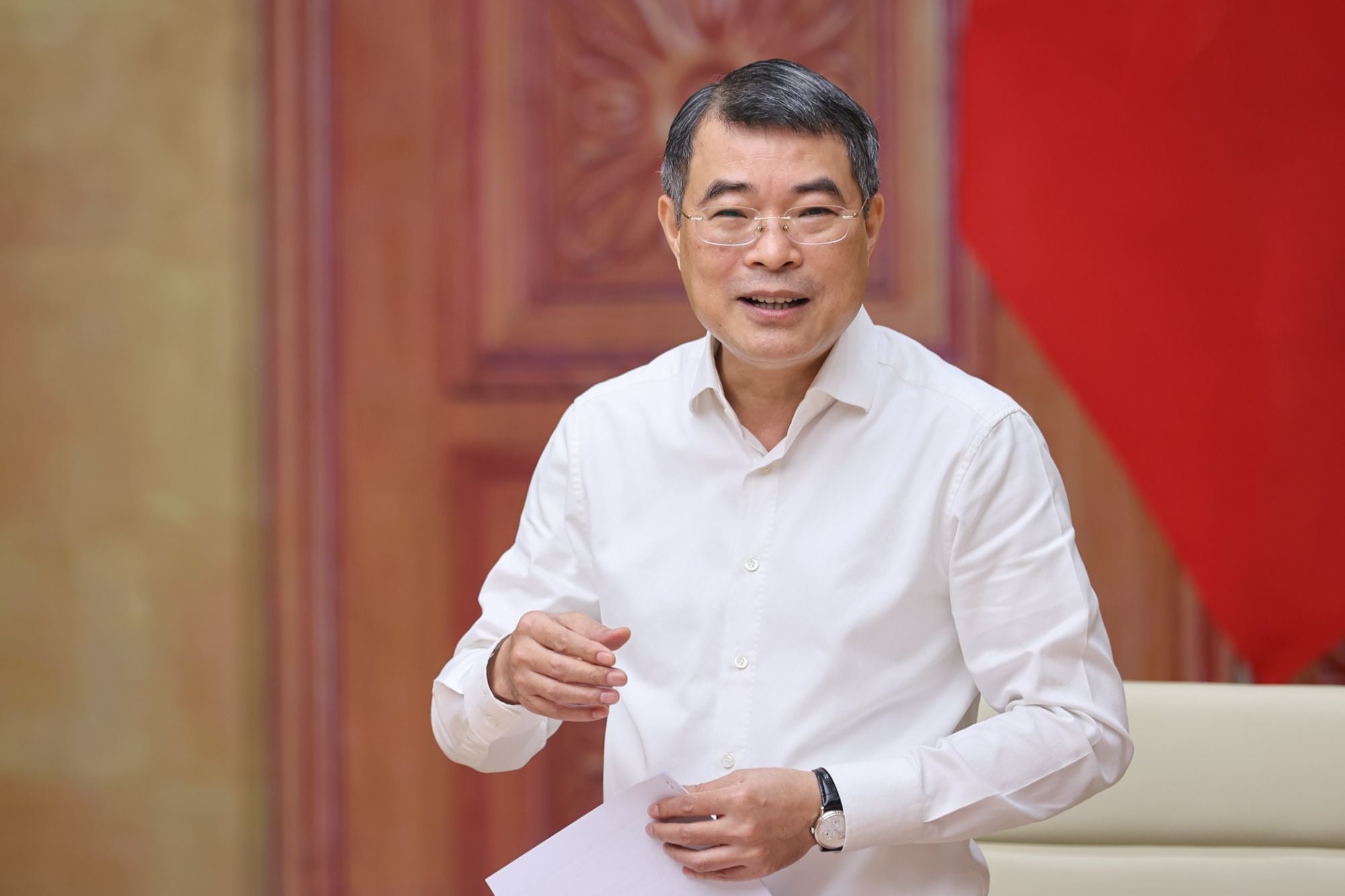
Prime Minister Le Minh Hung directed the Ministry of Home Affairs to continue implementing, in a synchronized and effective manner, the reform of salary policy and social insurance in line with Politburo conclusions. He also asked the ministry to complete interim reports and propose appropriate options and roadmaps to ensure coherence.
On 17 April 2026, the Prime Minister chaired a working session with the Ministry of Home Affairs, the Committee for Ethnic Minority Affairs and Religion, and the Government Inspectorate. The meeting reviewed the status of tasks since the start of 2026, set directions for the coming period, identified main tasks ahead, and discussed responses to proposals and recommendations from ministries and agencies.
The Prime Minister said the three agencies play important roles within the state administrative apparatus and in achieving two-digit growth. He noted that their areas of responsibility are interconnected, with mutual support, and that they provide a foundation for stable development and breakthroughs.
In his closing remarks, Prime Minister Le Minh Hung acknowledged and valued the efforts of the three agencies in leadership, direction, and execution of professional duties, saying they achieved significant results and contributed positively to national achievements.
The Prime Minister discussed existing shortcomings and difficulties and broadly agreed with recommendations and proposals. He assigned Deputy Prime Ministers to oversee related matters and instructed that issues beyond their authority be reported to the Prime Minister for decision.
He emphasized modernization in the way work is carried out—ensuring results are rapid and timely while still meeting requirements for thoroughness and compliance with rules and regulations. He also called for clear focus and accountability, with one major task per ministry and a single lead agency.
Ministries and agencies were asked to prioritize resources for building and refining institutions and policies. The Prime Minister also required strict implementation of reductions in administrative procedures, business conditions, time, and compliance costs, and to present a government plan by 20 April.
The Prime Minister requested the Ministry of Home Affairs to act as the standing body in advising, guiding, and urging implementation of key tasks related to the organizational apparatus, personnel, civil servants, and remuneration policies. He also asked the ministry to strengthen the operation of local governance at two levels, with greater decentralization, delegation, and empowerment.
He further directed the ministry to coordinate closely with the Party’s Organization Commission to conduct thorough reviews and advise competent authorities on civil service staffing for the political system, ensuring coherence—especially at the local level. The ministry was also asked to finalize standards and criteria for each position and codify position titles.
The Prime Minister urged the Ministry of Home Affairs to continue implementing the Politburo’s conclusions on salary reform and social insurance. He reiterated the need to complete interim reports and propose roadmaps that ensure coherence.
The Ministry of Home Affairs was also tasked with advising on policies to attract and retain talent, studying mechanisms to link the public and private sectors, and implementing breakthrough solutions in recruitment, utilization, and remuneration of officials.
In addition, the ministry was instructed to develop a national program to raise national productivity and develop a modern labor market. It was also asked to finalize employment policies, particularly for vulnerable groups, and to operate job matching platforms effectively to strengthen supply-demand matching. The Prime Minister also called for improved management of foreign workers and accelerated use of data in management.


Premium gym chains are entering a “golden era” that is ending or already in decline, as rising operating costs collide with shifting consumer preferences toward more flexible, community-based ways to exercise. Long-term memberships are shrinking, margins are pressured by higher rents and facility expenses, and competition from smaller, more personalized…




