•
•
•
•
•
•
•
•
•
•
•
•
•
•
•
•
•
•
•
•
•
•
•
•
•
•
•
•
•
•
•
•
•


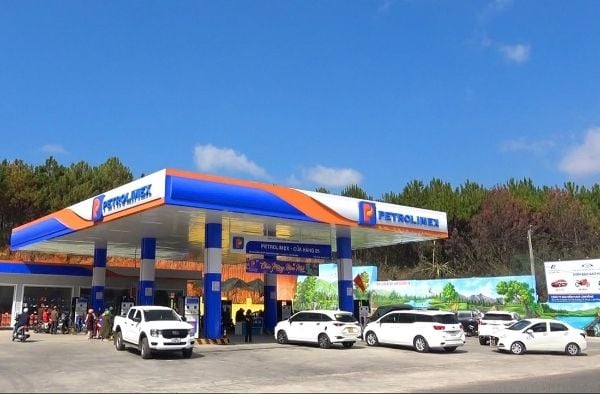
Against the backdrop of a global energy market roiled by unprecedented geopolitical volatility, Vietnam has demonstrated resilience and an ability to weather supply shocks. At the center of those efforts, Petrolimex has played a leading role, reflecting close coordination between government policy management and business execution.
Speaking at a roundtable titled “The Hormuz shock: the energy security problem for Vietnam,” Nguyen Xuan Hung, Deputy General Director of Petrolimex, said the current energy crisis is unprecedented due to a lack of replacement sources. He noted that the closure of the Hormuz Strait would cause a serious oil supply shortage, affecting the Asia region and pushing finished petroleum product prices higher than Brent crude.
Under this pressure, the government has implemented measures including tax reductions and the use of the price stabilization fund to help restrain domestic price increases.
With more than 40% market share, Petrolimex has proactively maintained a stable supply of fuels. According to Mr. Hung, the company has done so without limiting sales, supported by a multi-tier supply management strategy.
The approach includes:
Mr. Hung emphasized the need to build a national independent oil stockpile system to strengthen energy security. He said storage costs are high—about $1 billion for 30 days—but argued that such capacity is necessary to respond to volatility.
Petrolimex proposed that the government take the lead role in budgeting, while assigning lead distributors to handle storage and operations. The proposal aims to leverage existing experience and infrastructure to ensure efficiency and flexibility in the storage system, helping Vietnam be more proactive in future energy crises.
Premium gym chains are entering a “golden era” that is ending or already in decline, as rising operating costs collide with shifting consumer preferences toward more flexible, community-based ways to exercise. Long-term memberships are shrinking, margins are pressured by higher rents and facility expenses, and competition from smaller, more personalized…