Get the latest crypto news, updates, and reports by subscribing to our free newsletter.
Giấy phép số 4978/GP-TTĐT do Sở Thông tin và Truyền thông Hà Nội cấp ngày 14 tháng 10 năm 2019 / Giấy phép SĐ, BS GP ICP số 2107/GP-TTĐT do Sở TTTT Hà Nội cấp ngày 13/7/2022.
© 2026 Index.vn
REAL Shows Network (RSN) is a national TV network for top real estate professionals and influential local leaders, giving select hosts in each market the exclusive opportunity to lead a full 30-minute show showcasing their expertise, partners, and community. Created by an Emmy-nominated, Telly Award-winning production team, RSN delivers cinematic,…

Riot Platforms has offloaded more than $250 million worth of Bitcoin, a significant treasury move by one of the sector’s largest listed miners. The sale highlights how miners are balancing liquidity needs against the market’s focus on corporate “hodl” optics, with the company monetising production and reserves while Bitcoin remains near elevated trading levels.
Bitcoin miners depend on cash flow discipline to manage power costs, hosting, debt service, fleet upgrades and post-halving margin pressure. Selling BTC is often the most direct way to fund operations without relying heavily on equity dilution or costly borrowing.
A sale above $250 million indicates Riot prioritised liquidity over holding for narrative purposes. The move stands out because miners have previously positioned themselves as leveraged Bitcoin proxies, encouraging investors to value their treasuries alongside hash rate growth. When a miner sells into strength, it is typically less about a lack of conviction in Bitcoin and more about ensuring the business remains funded.
Riot’s decision comes as public miners face ongoing scrutiny over treasury strategy. Some operators aim to preserve as much BTC as possible, while others have shifted toward more regular monthly sales to smooth revenue and reduce financing risk.
This split has become more important after the halving, which reduced block rewards and increased the emphasis on efficiency. Operators with stronger power contracts and newer rigs can hold coins longer, while those with tighter margins have less room for discretionary treasury management. Selling Bitcoin may not be “glamorous,” but it can be a practical response to the economics of running a mining business.
There is a difference between routine treasury management and stress selling. Based on the information available, Riot’s disposal appears more consistent with capital allocation than a panic exit. Still, the scale matters: a quarter-billion-dollar sale from a major miner is large enough to draw attention and prompt investors to watch whether other companies follow.
For equity investors, the implication is that miner stocks are not pure “BTC beta.” They are operating businesses with real cost structures, and those costs can force treasury decisions that diverge from broader crypto sentiment.
Bitcoin has previously absorbed far larger spot flows, including during the ETF-era period. Relative to overall BTC liquidity, Riot’s sale is material but not described as market-breaking. The more immediate concern is signalling: if additional miners begin selling aggressively, traders may interpret it as evidence that post-halving economics remain difficult for weaker operators.
The key risk to the bull case would be acceleration across the mining cohort. If sales broaden and intensify, it would suggest operational pressure is spreading faster than the market’s optimistic assumptions.
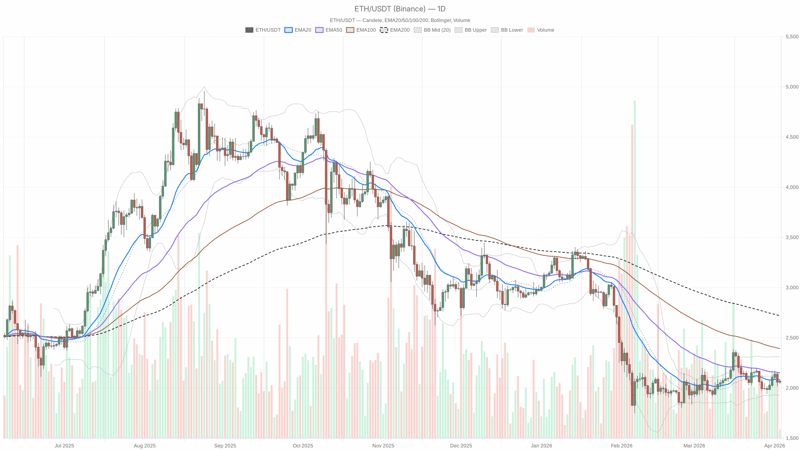



In brief\n\nBitcoin dropped to about $93,000, falling back below the EMA50 and putting its recent golden cross at risk of invalidation. The global crypto market cap stands at $3.15 trillion, down 2.38% in 24 hours. On Myriad Markets, 82% of the money is betting on Bitcoin pumping to $100K before…