•
•
•
•
•
•
•
•
•
•
•
•
•
•
•
•
•
•
•
•
•
•
•
•
•
•
•
•
•
•
•
•
•
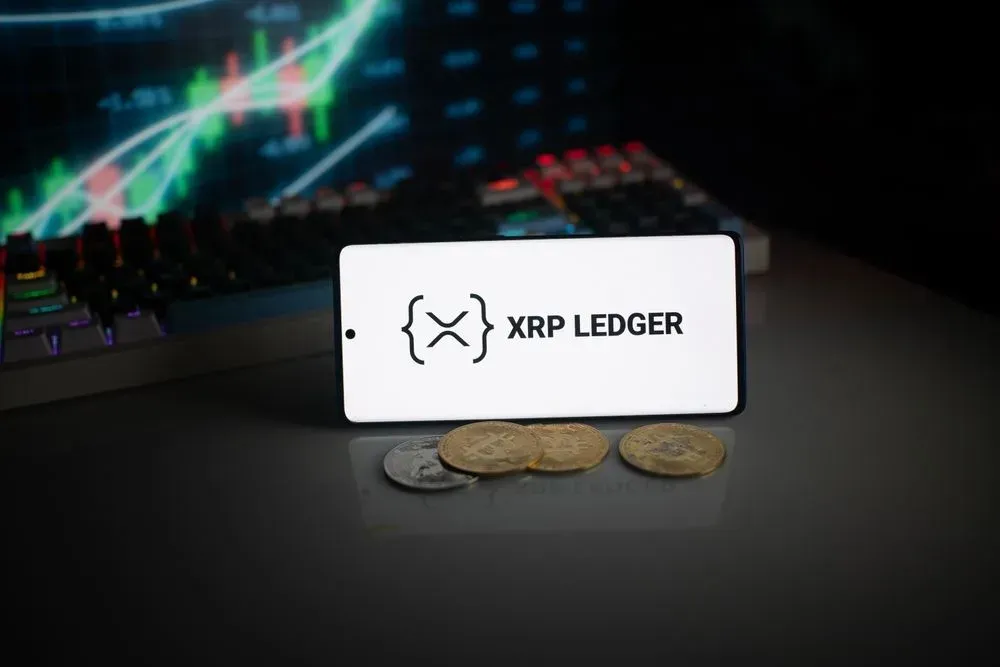
Ripple’s RLUSD stablecoin has expanded its cross-chain reach after Wanchain added support for the asset on its bridge infrastructure. The update opens new transfer routes for RLUSD across the XRP Ledger, Ethereum, Cardano, and Wanchain networks, extending Ripple’s effort to widen access to the stablecoin beyond its two native issuance networks.
Wanchain said RLUSD is now supported on its bridge, enabling users to move the stablecoin between multiple blockchain ecosystems. The update states that RLUSD issued on the XRP Ledger can be made interoperable with Cardano, Ethereum, and Wanchain. It also says RLUSD issued on Ethereum can move across Cardano and Wanchain through the same bridge setup.
At this stage, RLUSD remains natively issued only on the XRP Ledger and Ethereum. Even so, the new Wanchain integration provides additional options for routing stablecoin liquidity between networks without relying solely on centralized venues. This matters as stablecoin use continues to expand across payments, trading, and decentralized finance.
The bridge support creates multiple pathways for RLUSD users. A holder of RLUSD on the XRP Ledger can move the stablecoin to Cardano through Wanchain’s infrastructure. The same applies to RLUSD on Ethereum, which can also be bridged into the Cardano ecosystem. Wanchain also said RLUSD on its own network can move to and from Cardano.
Another route connects XRP Ledger-based RLUSD with Ethereum, adding a direct interoperability path between the two native RLUSD environments via the bridge. For users managing liquidity across multiple chains, the update may reduce the need for additional conversion steps before moving assets into DeFi or other on-chain applications.
The Wanchain integration aligns with Ripple’s wider multichain approach for RLUSD. Ripple has previously indicated that RLUSD is intended to operate across more than the XRP Ledger and Ethereum over time. Last year, the company said it planned to expand RLUSD to Ethereum layer-2 networks, including Base, Optimism, Unichain, and Ink, with testing carried out in partnership with Wormhole.
Ripple’s distribution strategy also emphasizes regulated rollout. Reports tied to Ripple’s 2026 survey said financial leaders remain especially positive about stablecoins compared with other digital asset use cases, supporting the company’s focus on payment access, chain support, and institutional use.
RLUSD has also gained traction through exchange listings. In early April, Coinone added RLUSD, allowing South Korean users to access the stablecoin directly in KRW. The listing provided another regulated entry point in a major Asian market and broadened trading access beyond the stablecoin’s original launch venues.
RLUSD’s role is also expanding beyond transfers. Bitrue has enabled RLUSD to be used as collateral for futures trading, giving the stablecoin a larger part in trading workflows where users may want to post margin without moving into more volatile cryptocurrencies.
Separately, Mastercard is exploring stablecoin settlement options that could include RLUSD. The discussions were described as part of a broader look at how card-based payment systems may use blockchain-linked settlement rails, though no final rollout details were provided.
RLUSD is currently ranked as the eighth-largest stablecoin, with a market capitalization of about $1.5 billion based on the figures provided. Most of its supply remains on Ethereum, while about 382 million tokens are in circulation on the XRP Ledger. With Wanchain now connecting RLUSD across XRPL, Ethereum, Cardano, and its own network, Ripple’s stablecoin is moving into a broader cross-chain phase.