•
•
•
•
•
•
•
•
•
•
•
•
•
•
•
•
•
•
•
•
•
•
•
•
•
•
•
•
•
•
•
•
•


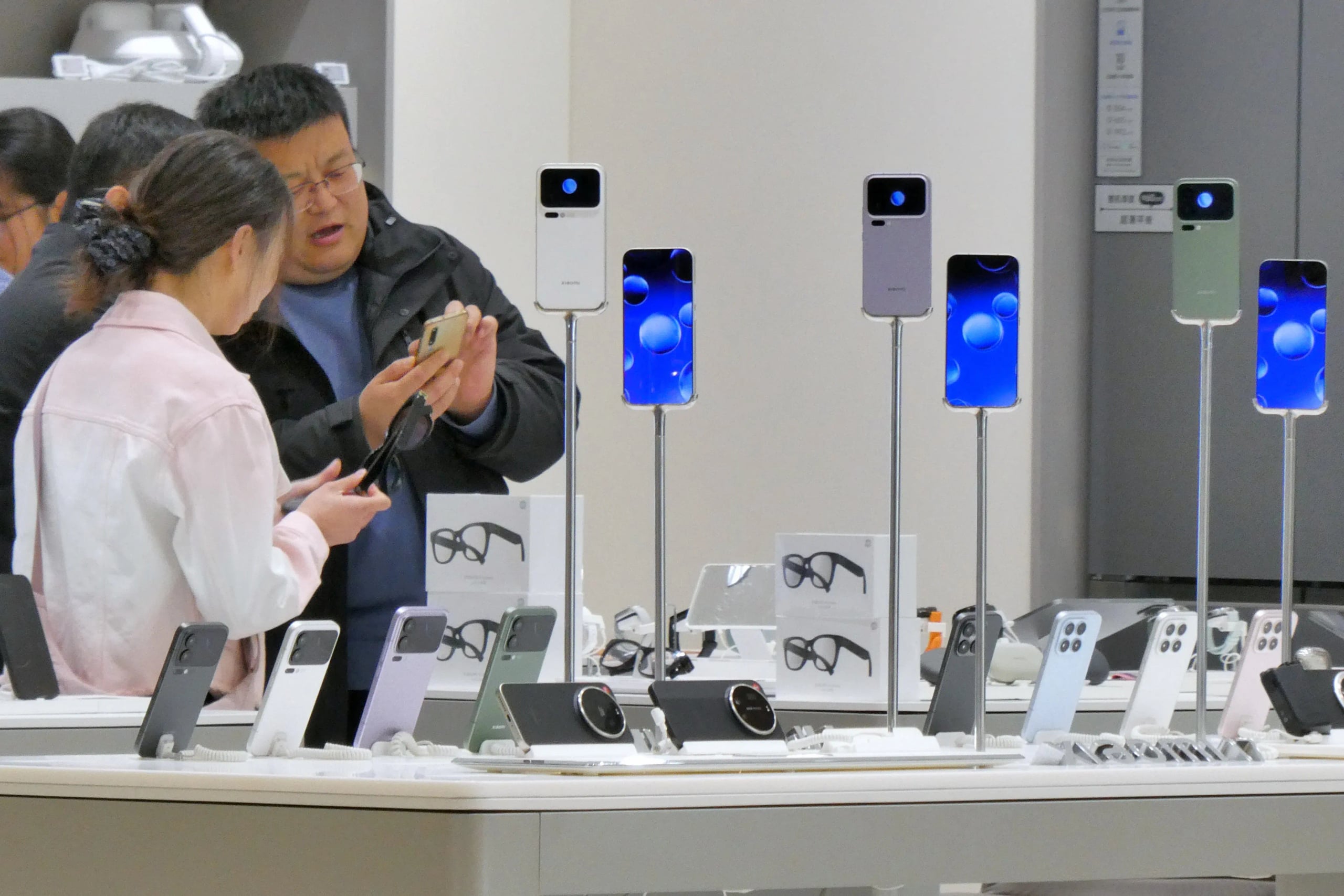
Global smartphone markets remain more difficult to predict than usual. According to IDC, smartphone shipments in Q1 2026 fell 4.1% year over year. Counterpoint Research recorded a deeper decline of about 6%, while Omdia reported modest 1% year-over-year growth.
The lack of consistency across reports is reflected in manufacturer rankings. IDC and Omdia both place Samsung Electronics as the market leader in the quarter, while Counterpoint identifies Apple as the top company.
IDC says Samsung’s smartphone shipments in Q1 rose 3.6% year over year, but Counterpoint shows a 6% decline. For Apple, IDC records a 3.3% increase, while Counterpoint reports about a 5% rise.
Despite differences in the data, all research firms agree that 2026 will be a challenging year for the smartphone market. The high-end segment, where Apple and Samsung focus, is described as relatively resilient. In contrast, Chinese manufacturers have faced pressure since the start of the year.
IDC and Counterpoint both estimate Xiaomi shipments fell as much as 19% year over year, the steepest decline among the top five. Heavy reliance on the budget segment, which is sensitive to memory price changes, makes brands such as Xiaomi vulnerable when memory prices rise.
IDC notes OPPO shipments in Q1 also fell by nearly 10%, while Vivo declined about 7%. Counterpoint’s figures are lower, at 4% and 2%, but the downtrend is consistent.
Silpi Jain, senior analyst at Counterpoint Research, said that memory-chip manufacturers are prioritizing supplies for data centers serving AI rather than consumer electronics. This has squeezed OEM margins, forcing some of the rising component costs to be passed on to consumers.
Jain added that tighter supply, higher energy and logistics costs, and geopolitical tensions in the Middle East have increased consumer caution. Together, these factors weigh on demand for new devices and contribute to the market-wide decline in shipments.






Premium gym chains are entering a “golden era” that is ending or already in decline, as rising operating costs collide with shifting consumer preferences toward more flexible, community-based ways to exercise. Long-term memberships are shrinking, margins are pressured by higher rents and facility expenses, and competition from smaller, more personalized…




