•
•
•
•
•
•
•
•
•
•
•
•
•
•
•
•
•
•
•
•
•
•
•
•
•
•
•
•
•
•
•
•
•


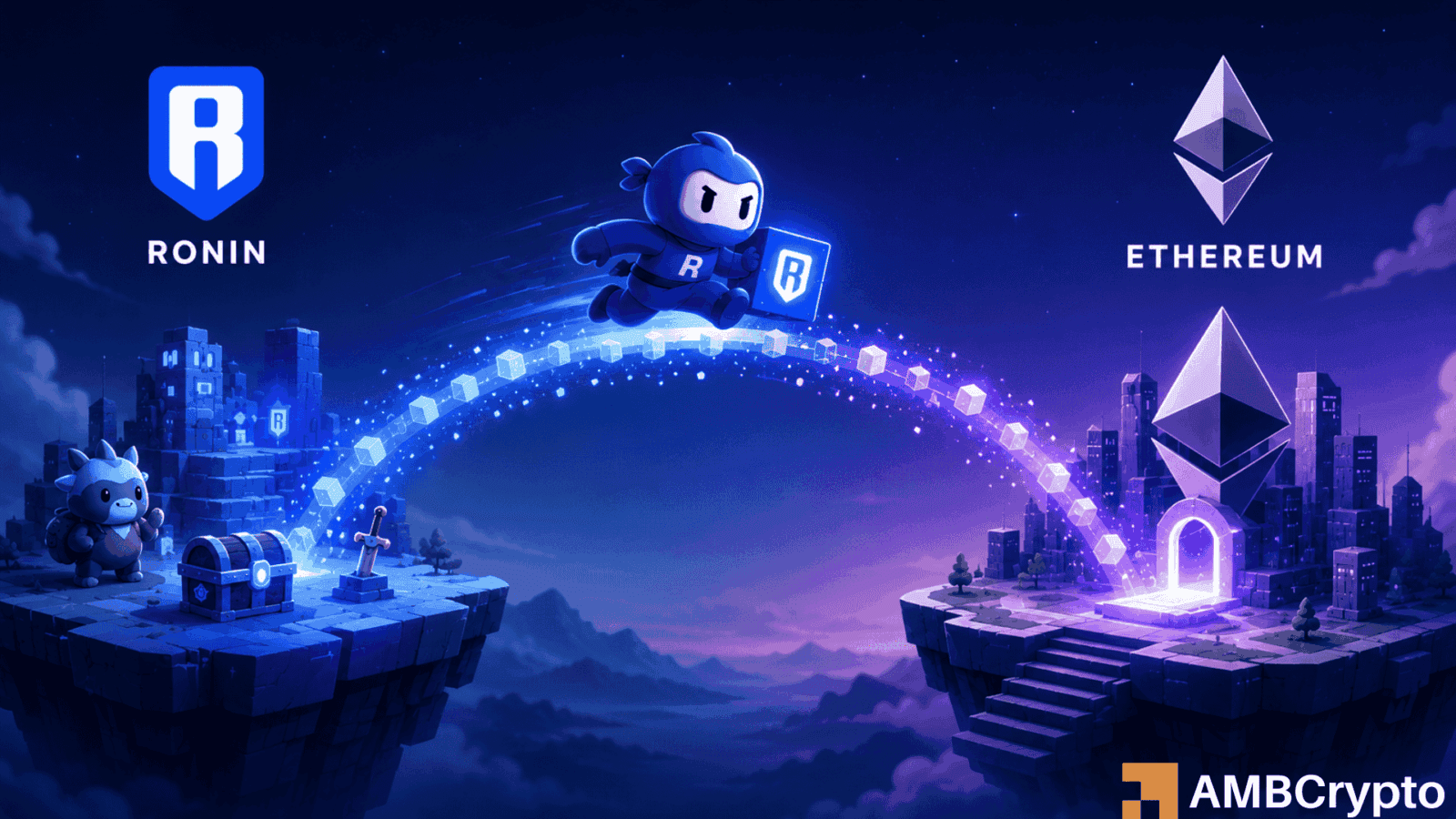
Ronin Network will reconnect to Ethereum on 12 May through a major infrastructure upgrade that also slashes RON token inflation from more than 20% to below 1%.
The migration marks a shift for the gaming-focused blockchain, which launched in 2021 after Ethereum struggled to support Axie Infinity’s rapid growth efficiently. Ronin says Ethereum’s Layer 2 ecosystem has matured enough for a “homecoming,” and the team described the upgrade as plugging Ronin back into Ethereum.
The upgrade will move Ronin onto Ethereum’s modern Layer 2 stack using the OP Stack.
Ronin said the transition will temporarily halt block production for around 10 hours on 12 May while the network completes the migration.
Alongside the infrastructure shift, the migration introduces one of Ronin’s biggest tokenomics changes to date. Ronin said RON inflation will drop from above 20% annually to less than 1% after the upgrade, describing the change as a 20x reduction in new token emissions.
The project also plans to redirect new revenue streams into the Ronin treasury. Ronin increased the treasury’s marketplace fee allocation from 0.5% to 1.25% and said the treasury should increasingly be held by RON holders as the ecosystem matures.
Traders appeared to respond positively ahead of the migration. RON rose about 4.5% over the past 24 hours, while trading volume climbed roughly 58%, according to CoinMarketCap data. The token traded near $0.115 at the time of publication.
Source: CoinMarketCap
Ronin originally launched as a standalone gaming chain because Ethereum’s transaction costs and throughput limitations made large-scale blockchain gaming difficult. At the time, Ethereum’s Layer 2 ecosystem was still in its early stages.
Ronin said the migration reflects how Ethereum scaling infrastructure has evolved over the past four years. It noted that OP Stack-powered chains currently process millions of transactions across the broader Ethereum ecosystem.
The network said the shift will strengthen security, treasury revenue, builder incentives, and long-term sustainability.

Premium gym chains are entering a “golden era” that is ending or already in decline, as rising operating costs collide with shifting consumer preferences toward more flexible, community-based ways to exercise. Long-term memberships are shrinking, margins are pressured by higher rents and facility expenses, and competition from smaller, more personalized…