•
•
•
•
•
•
•
•
•
•
•
•
•
•
•
•
•
•
•
•
•
•
•
•
•
•
•
•
•
•
•
•
•
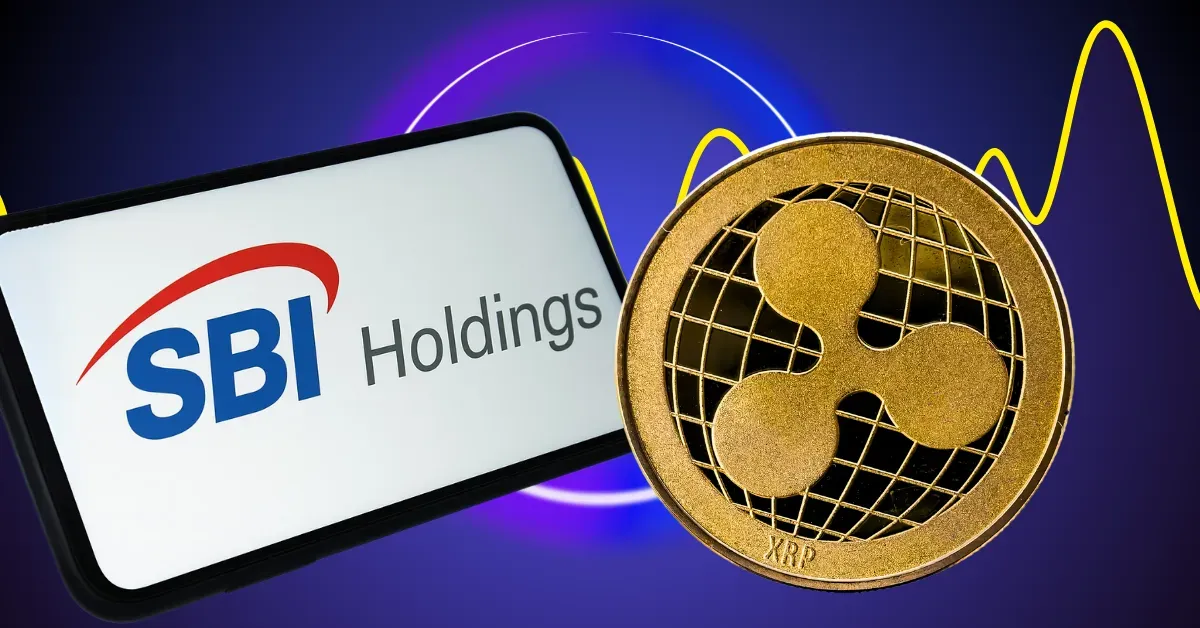
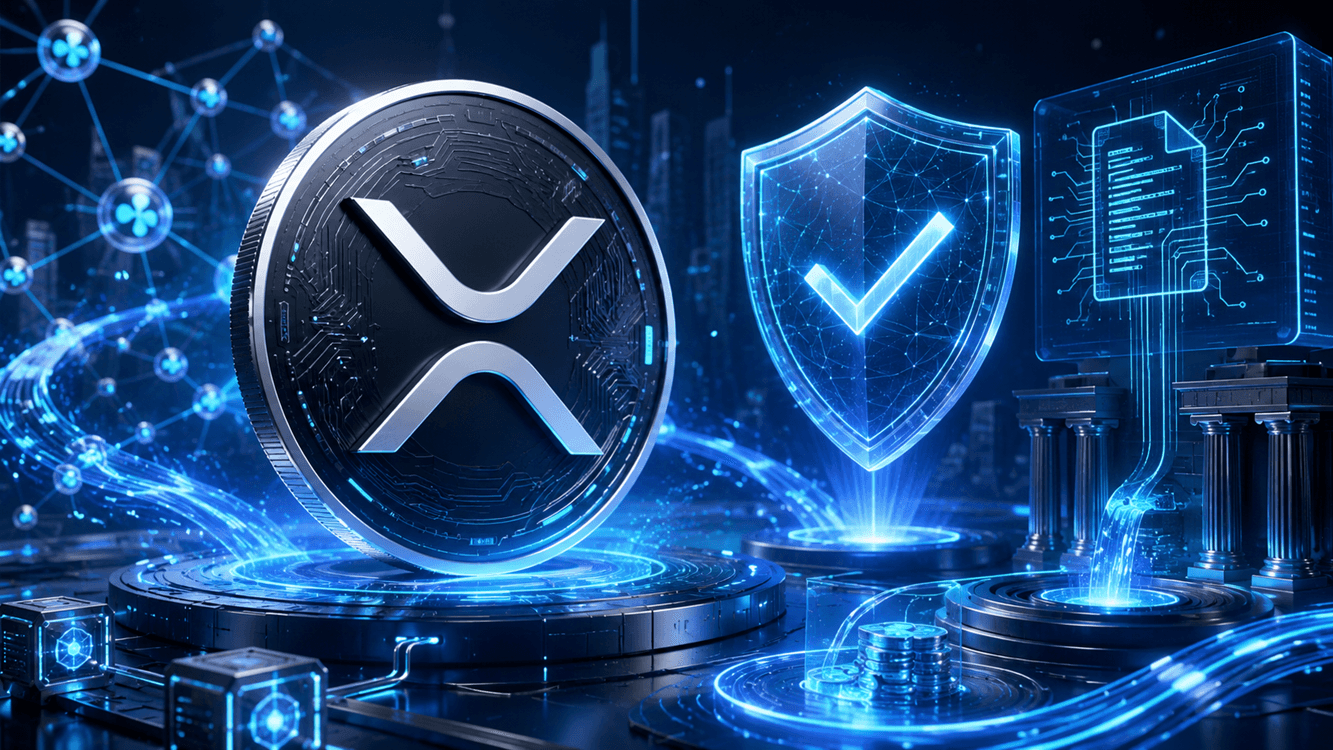
Ripple news: SBI Holdings CEO Yoshitaka Kitao has stepped in to correct misleading claims that the company holds $10 billion worth of XRP, clarifying that SBI’s exposure is tied to a significant equity stake in Ripple Labs. The clarification comes as XRP trades around $1.46, after a 4% weekly gain.
The confusion began after an X user, Ledger Man, praised Ripple-backed SBI Holdings for expanding its crypto presence in Singapore through the acquisition of Coinhako. The post also included a claim that SBI Holdings owns $10 billion worth of XRP.
Kitao responded directly, stating that SBI does not hold $10 billion in XRP tokens. Instead, he said SBI owns about a 9% equity stake in Ripple Labs.
“Not $10 bil. in XRP. but around 9% of Ripple Lab. So our hidden asset could be much bigger,” — 北尾吉孝 (@yoshitaka_kitao) February 15, 2026
The distinction matters because SBI’s exposure is not through direct XRP holdings, but through its ownership in Ripple itself. The clarification shifts attention from token balances to the long-term SBI–Ripple relationship.
Ripple’s valuation is described as close to $50 billion, following a $500 million funding round and expansion into stablecoins and digital asset custody services. Based on this valuation, the article estimates that SBI’s 9% equity stake implies exposure of around $4.5 billion.
The SBI Ripple partnership is presented as a key driver of XRP adoption, with SBI supporting Ripple’s expansion—particularly across Asian markets where demand for faster cross-border payments continues to grow. Kitao also indicated that SBI’s Ripple stake could be more valuable in the future.
At the time of the report, XRP was trading around $1.49, reflecting a 6% drop on the day while still up 4% over the week.