•
•
•
•
•
•
•
•
•
•
•
•
•
•
•
•
•
•
•
•
•
•
•
•
•
•
•
•
•
•
•
•
•


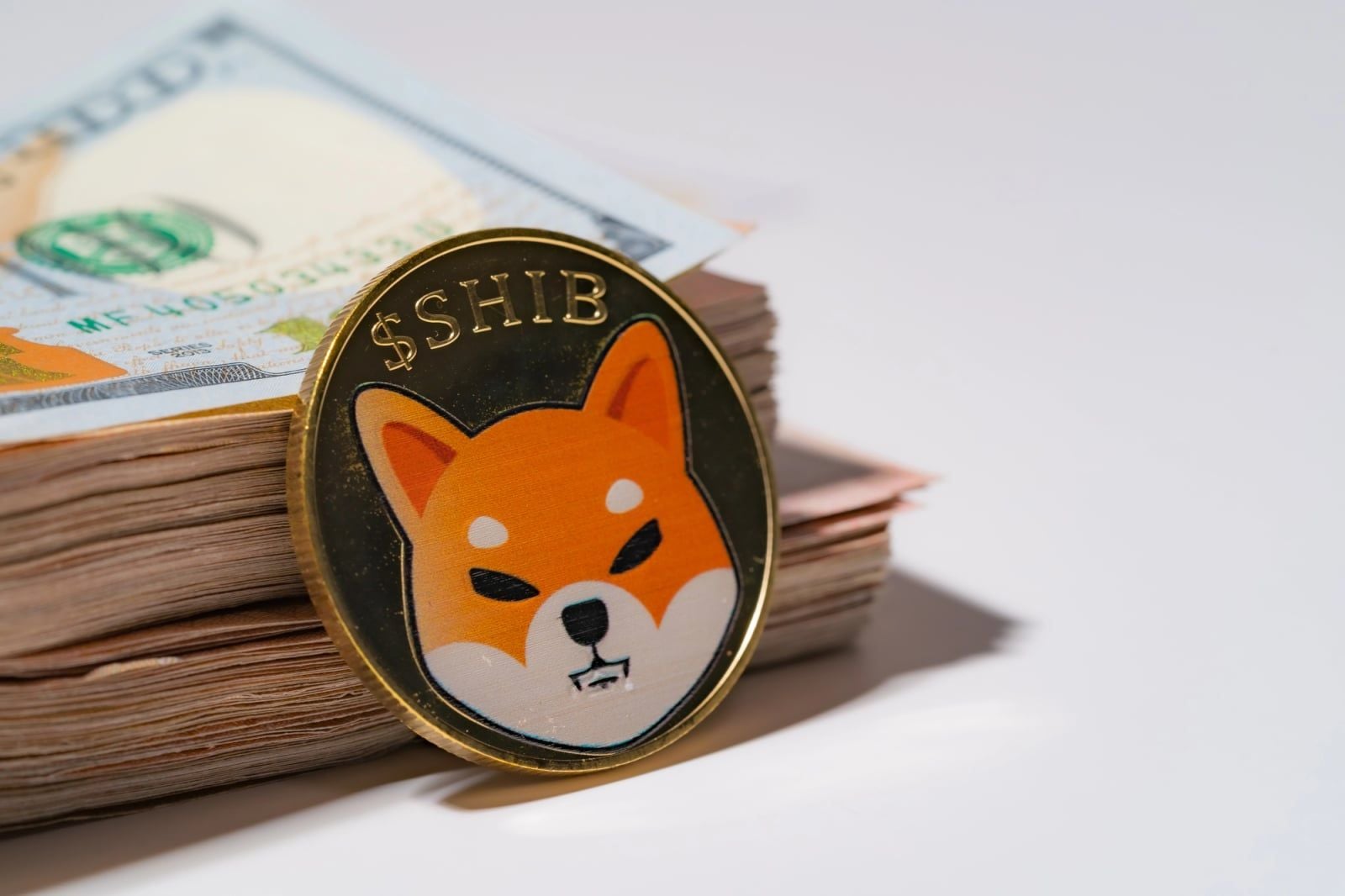
SHIB may be moving toward an 18% mean reversion setup that could give underwater holders a tactical opportunity to reduce losses near the $0.0000075 resistance level.
After roughly a year and a half of decline, Shiba Inu (SHIB) is showing signs of a local recovery. Following Dogecoin, the current technical configuration suggests a potential mean reversion scenario, which could be particularly relevant for holders who have been in the token since late 2024.
December 2024 marked SHIB’s last significant peak at $0.00003366. After that high, the meme coin entered a deep decline, losing 84% of its value. In spring 2026, local optimism has returned: since March, SHIB has risen about 20%, reaching $0.00000628.
Attention is focused on the 200-day moving average, which is currently around $0.0000075, based on a TradingView chart. A further 18% move toward this level is described as mathematically plausible, but the approach to the average may be difficult.
Mean reversion dynamics often pull prices back toward average values after larger deviations. In this case, the $0.0000075 area is framed not only as a technical reference point, but also as a zone where sell orders may cluster.
The level is expected to attract holders who are currently underwater and looking to exit positions with smaller losses. As a result, the 200-day average may act as a “crowded exit” rather than a smooth continuation higher.
This potential rebound should not be interpreted as the start of a broad, sustained rally. For many market participants, the current setup is presented as a strategic window to reduce losses.
The overall market backdrop remains restrained, with overhead pressure linked to the accumulated mass of underwater positions formed throughout 2025.








Premium gym chains are entering a “golden era” that is ending or already in decline, as rising operating costs collide with shifting consumer preferences toward more flexible, community-based ways to exercise. Long-term memberships are shrinking, margins are pressured by higher rents and facility expenses, and competition from smaller, more personalized…