•
•
•
•
•
•
•
•
•
•
•
•
•
•
•
•
•
•
•
•
•
•
•
•
•
•
•
•
•
•
•
•
•
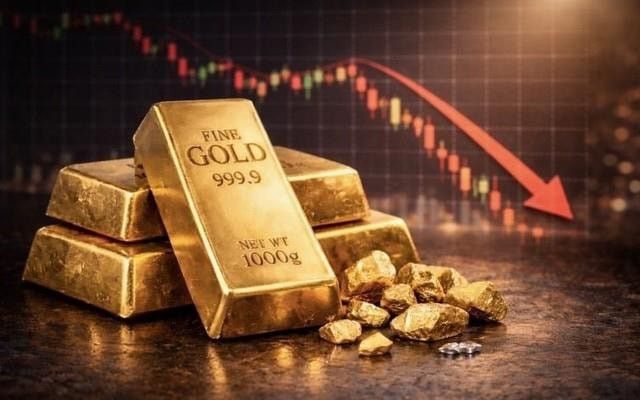
According to data from Muavangbac.vn, the world’s largest gold ETF, SPDR Gold Trust, sold a net 1.43 tonnes of gold on June 15, bringing its holdings to below 1,012 tonnes. The sale came after two sessions with no trading.
SPDR Gold Trust reduced its holdings weight as global gold prices rose sharply. At the close of June 15, spot gold increased by about $90 to $4,308 per ounce, extending gains for a third consecutive session. In the morning of June 16, prices eased slightly to around $4,307 per ounce.
Gold’s advance followed statements by U.S. President Donald Trump saying the U.S. and Iran had finalized a peace agreement, with the Hormuz Strait expected to be fully reopened by the end of the week. The prospect of lower oil prices helped ease inflation concerns and reduced pressure on monetary policy.
In addition, weakness in the U.S. dollar supported gold. The Dollar Index fell to its lowest level in about 10 days, making gold more attractive for investors holding currencies other than the dollar.
Prior to the peace framework announcement, gold had faced pressure as U.S.-Iran tensions pushed energy prices higher, raising concerns about persistent inflation and increasing the likelihood that the Federal Reserve would keep a tight policy stance. This is typically unfavorable for gold because the metal does not offer yield.
After the news, expectations for additional Fed rate hikes cooled. CME FedWatch data shows the probability of a December 2026 rate increase fell to about 58%, down from nearly 70% a week earlier.
Market attention is on the Fed policy meeting on June 16–17, the first meeting under new chair Kevin Warsh. Experts said the next direction for gold will depend on the U.S. dollar’s movement, the Fed’s monetary policy outlook, and the durability of the U.S.-Iran agreement.
In the near term, investors are expected to monitor the progress of the Hormuz Strait reopening and key U.S. data, including the Producer Price Index (PPI) and the FOMC minutes. Signals that inflation is cooling or that the Fed is moving closer to rate cuts could continue to support gold prices.