•
•
•
•
•
•
•
•
•
•
•
•
•
•
•
•
•
•
•
•
•
•
•
•
•
•
•
•
•
•
•
•
•


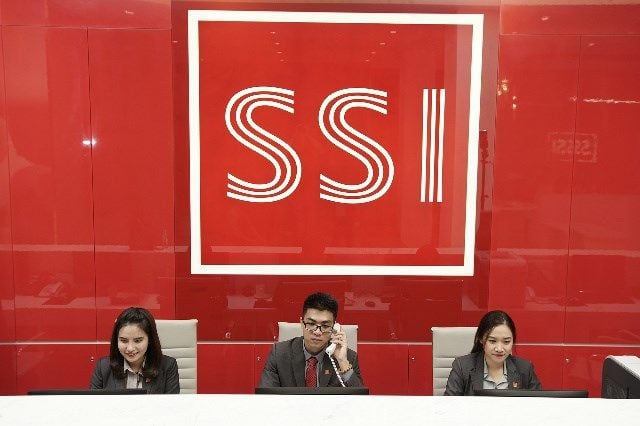
SSI Securities Corporation (SSI) has approved a plan to issue shares under its 2026 Employee Stock Option Plan (ESOP) with a maximum of 10 million shares. Under the plan, 50% of the shares will be restricted from transfer for two years, while the remaining 50% will be restricted for three years. The issue price is 10,000 dong per share, which would raise 100 billion dong to strengthen capital for margin lending activities.
The ESOP issuance is expected to be implemented in 2026–2027, or at another time decided by the Board of Directors, subject to approval from UBCKNN. SSI also published the list of 295 employees expected to receive ESOP allocations.
Among the expected recipients, Chairman Nguyen Duy Hung is expected to buy 1 million shares. Board member Nguyen Hong Nam is expected to buy 400,000 shares, board member Nguyen Duy Khanh is expected to buy 200,000 shares, and Nguyen Manh Hung, Chairman of SSI Fund Management Co., Ltd., is expected to buy 150,000 shares, along with other allocations to employees.
SSI noted that the ESOP shares will be issued with transfer restrictions as outlined in the plan, and the issuance will be carried out with the required regulatory approval.
SSI’s 2026 annual general meeting on April 23 approved two capital-raising options. In addition to the ESOP issuance, SSI plans to issue shares from its equity reserve (bonus shares) at a 5:1 ratio, meaning shareholders holding 5 existing shares will receive 1 new share. The expected number of bonus shares is 500.6 million units. These newly issued shares are not subject to transfer restrictions.
If both initiatives are successful, SSI expects its charter capital to increase to 30,000 billion dong.
In its standalone Q1 2026 financial report, SSI reported operating revenue of 3,075 billion dong, up 46% year-on-year. Pre-tax profit reached 1,461 billion dong, up 44% year-on-year.
Self-dealing revenue accounted for 39% of revenue. Gains from financial assets measured at FVTPL amounted to 1,226 billion dong, up 18% year-on-year.
As of the end of Q1 2026, SSI’s FVTPL asset portfolio was worth over 42,000 billion dong, up about 4,400 billion dong compared with the start of the year.
The largest components of the portfolio included demand deposit certificates totaling nearly 28,000 billion dong and more than 12,500 billion dong in bonds. Listed stocks and securities had an original cost of 77 billion dong, with an unrealized loss of about 2 billion dong versus the purchase price. Compared with the start of the year, this segment declined by more than 100 billion dong.
Within the stock investment portfolio, VCB and MWG were the largest new holdings for SSI. SSI reduced its weighting in HPG and VPB, and it reported no investments in FPT, ACB, or VNM.
Interest income from loans and receivables rose 67% year-on-year to 1,050 billion dong. As of 31/1/2026, SSI’s margin lending exposure stood at nearly 37,000 billion dong, down about 2,000 billion dong from the previous quarter.
Brokerage revenue reached 607 billion dong, nearly doubling compared with the year-ago period. In Q1, SSI maintained a second-place position among the Top 10 securities firms by market share on HoSE, at 11.14%, slightly down from 12.5% in Q4 2025.
Total assets as of 31/3/2026 were nearly 92,000 billion dong, down slightly from the start of the year. Total liabilities were over 53,000 billion dong, down more than 6,500 billion dong over the quarter. Short-term borrowings were near 52,000 billion dong.
Source: Ha Ly
Premium gym chains are entering a “golden era” that is ending or already in decline, as rising operating costs collide with shifting consumer preferences toward more flexible, community-based ways to exercise. Long-term memberships are shrinking, margins are pressured by higher rents and facility expenses, and competition from smaller, more personalized…