•
•
•
•
•
•
•
•
•
•
•
•
•
•
•
•
•
•
•
•
•
•
•
•
•
•
•
•
•
•
•
•
•


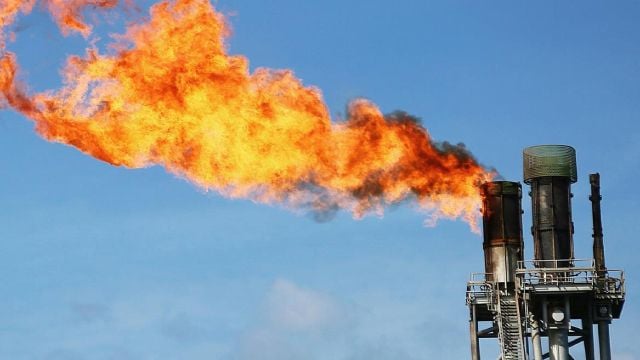
The Strait of Hormuz is a key route in global energy trade. Any closure or disruption of the waterway can tighten supplies of oil and natural gas, which typically pushes commodity prices higher. Goldman Sachs recently updated its oil model, indicating that oil prices are likely to remain higher for longer.
Integrated energy company BP’s first-quarter earnings provide an early indication of how higher energy prices can affect profitability. The company’s profit more than doubled year over year, with rising oil prices more than offset the impact of supply disruptions.
BP’s stock has also risen by more than 30% in 2026, as of the time of writing. The article notes that BP is not the only company positioned to benefit from the price environment.
The piece highlights that BP stands out among integrated energy firms due to its balance sheet. It is described as having the weakest balance sheet in the group, with a debt-to-equity ratio more than twice that of its closest peers. The article characterizes BP as the most aggressive option among its peers, and suggests that higher energy prices may help the company reduce leverage.
While the article says all integrated energy companies are likely to benefit from rising oil and natural gas prices, it argues that companies focused entirely on energy production may benefit even more. As an example, it cites Diamondback Energy, a U.S. oil and natural gas producer whose top and bottom lines are driven by commodity prices.
The article also notes that Diamondback’s geographic exposure means it is unlikely to face business disruption from the Middle East conflict. Diamondback’s stock is reported to be up 35% this year.
The article points to Diamondback Energy’s next earnings report, scheduled for May 5, describing it as likely to be “good reading.”







Premium gym chains are entering a “golden era” that is ending or already in decline, as rising operating costs collide with shifting consumer preferences toward more flexible, community-based ways to exercise. Long-term memberships are shrinking, margins are pressured by higher rents and facility expenses, and competition from smaller, more personalized…




