•
•
•
•
•
•
•
•
•
•
•
•
•
•
•
•
•
•
•
•
•
•
•
•
•
•
•
•
•
•
•
•
•

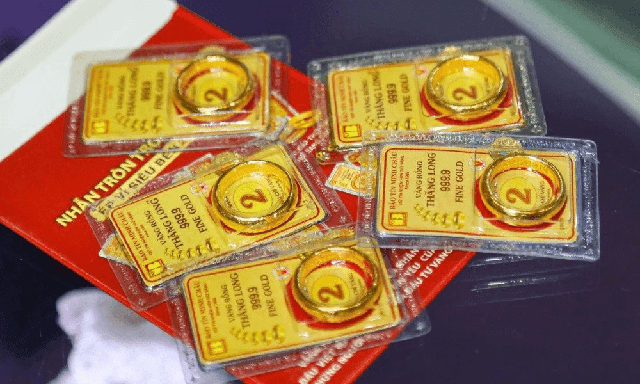
Tether has launched tether.wallet, a self-custody wallet designed for holding and transferring USDT, Bitcoin (BTC), and Tether Gold (XAUT), the company’s gold-backed token. The move extends Tether beyond stablecoin issuance and into consumer wallet infrastructure, aiming to give users a direct interface for managing assets while keeping custody with the user rather than the company.
tether.wallet is positioned as a self-custody product, meaning users hold and manage their own assets rather than relying on a hosted wallet where the provider controls the keys. Tether is presenting the wallet as an interface for USDT, BTC, and XAUT, including the company’s gold-backed token within the same application.
The launch is also framed as a distribution strategy. USDT’s dominance as a dollar substitute across trading venues and blockchain ecosystems has made Tether central to crypto liquidity. A native wallet, however, changes the relationship with end users by increasing visibility into how Tether’s products are used and potentially improving the company’s ability to roll out new services.
Including XAUT alongside USDT and BTC is presented as a way to bundle multiple narratives in one place—dollars, hard money, and digital gold—rather than offering a broader set of assets and networks from the outset.
Tether’s timing also reflects a recurring theme in crypto: self-custody tends to resurface after repeated lessons about leaving assets on third-party platforms. The “not your keys, not your coins” principle remains a widely cited rationale for users to seek direct control of their holdings.
Tether is increasingly described as moving toward a full-stack crypto role rather than only issuing stablecoins. Over the past year, the company has expanded into areas including payments, infrastructure, and real-world asset narratives. A wallet can serve as a direct consumer product that supports USDT usage and provides an adoption pathway for XAUT without relying solely on exchange listings or external wallet integrations.
The potential emphasis is on regions where access to dollars is more limited and stablecoins can function more like everyday financial tools. In that context, a simpler self-custody app could support use cases such as remittances and savings, provided onboarding is smooth and fees remain low.
Bitcoin is included as a baseline expectation for a serious wallet launch. Gold is the more distinctive component: XAUT is intended to offer a differentiated asset within Tether’s ecosystem for users who want a non-bank savings narrative alongside crypto rails.
However, the article notes that narrative alone does not guarantee adoption. XAUT remains described as a niche product relative to USDT’s scale, and a wallet launch by itself is not expected to change that immediately.
A new wallet from a major issuer does not automatically translate into widespread use. Self-custody can be difficult for mainstream users due to challenges such as seed phrases, chain selection, transaction errors, and phishing risks.
Product design also matters: if tether.wallet is too barebones, power users may ignore it; if it is overly simplified, it may struggle against wallets that already offer stronger network support and decentralized application integrations.
Trust is another potential constraint. Tether is described as large, profitable, and systemically important to crypto liquidity, but also among the most scrutinized companies in the industry. Some users may welcome a Tether-native wallet, while others may view it as an attempt to control another layer of the stack.
The article frames tether.wallet as primarily about control of distribution. With USDT moving through markets at scale, a Tether-branded wallet creates a direct consumer endpoint for that liquidity and also provides a single application home for BTC and tokenized gold.
Near-term traction will likely depend on whether tether.wallet makes holding and transferring USDT meaningfully easier. If it supports real use cases in payments and savings, it could gain momentum; if it becomes just another branded wallet in a crowded market, users may continue relying on existing tools they already trust.
Bitcoin (BTC) investors who use steady dollar-cost averaging (DCA) may be underperforming versus strategies that adjust exposure to the market’s cycle, according to new research arguing that Bitcoin’s behavior differs from traditional long-duration assets.
In a report cited by Markus Thielen of 10x Research, Bitcoin’s market…