•
•
•
•
•
•
•
•
•
•
•
•
•
•
•
•
•
•
•
•
•
•
•
•
•
•
•
•
•
•
•
•
•


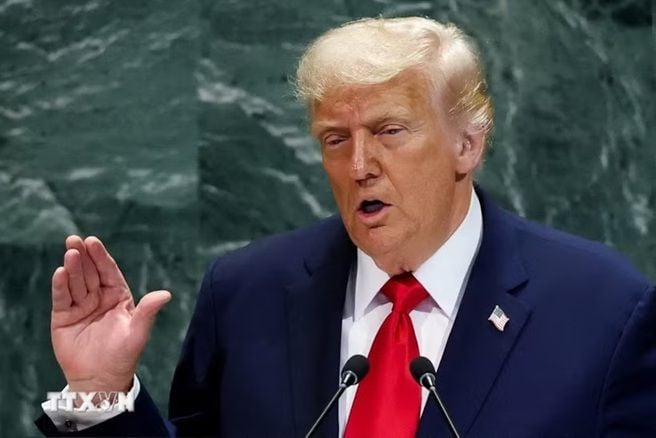
President Donald Trump’s statement that the U.S. military campaign against Iran has ended is being framed as an effort to reduce pressure over whether Congress should authorize the continuation of hostilities, according to Politico.
On May 1, Trump sent a letter to lawmakers stating that the war against Iran had been “ended” after the 60-day legal window for the military campaign expired.
Under the War Powers Resolution of 1973, after notifying Congress of the use of military force, the president must terminate the campaign within 60 days unless Congress authorizes a continuation of hostilities. The Trump administration had notified Congress of the military action on March 2, making May 1 the end of the 60-day period.
While emphasizing that the campaign itself has been successful and that efforts to secure a lasting peace have been pursued, Trump also said the threat posed by Tehran to the United States and its armed forces remains “significant.”
Also on May 1 (local time), a U.S. official said the aircraft carrier USS Gerald R. Ford left the Middle East after taking part in operations against Iran, while two other large U.S. warships remained in the area.
The official said the Ford was in the region under the responsibility of U.S. European Command. The official added that the remaining U.S. naval vessels in the Middle East numbered 20, including the aircraft carriers USS Abraham Lincoln and USS George H.W. Bush.
Over more than 10 months, the Ford participated in U.S. operations in the Caribbean. Those operations included attacks on ships suspected of drug trafficking, interception of oil shipments under sanctions, and the detention of Venezuelan leader Nicolas Maduro.
According to the U.S. military, a fire broke out in the carrier’s laundry room on March 12, injuring two sailors and causing significant damage to about 100 beds. The ship is also reported to have experienced serious hygiene-system issues while at sea, forcing sailors to queue for long periods to use facilities.







Premium gym chains are entering a “golden era” that is ending or already in decline, as rising operating costs collide with shifting consumer preferences toward more flexible, community-based ways to exercise. Long-term memberships are shrinking, margins are pressured by higher rents and facility expenses, and competition from smaller, more personalized…




