•
•
•
•
•
•
•
•
•
•
•
•
•
•
•
•
•
•
•
•
•
•
•
•
•
•
•
•
•
•
•
•
•


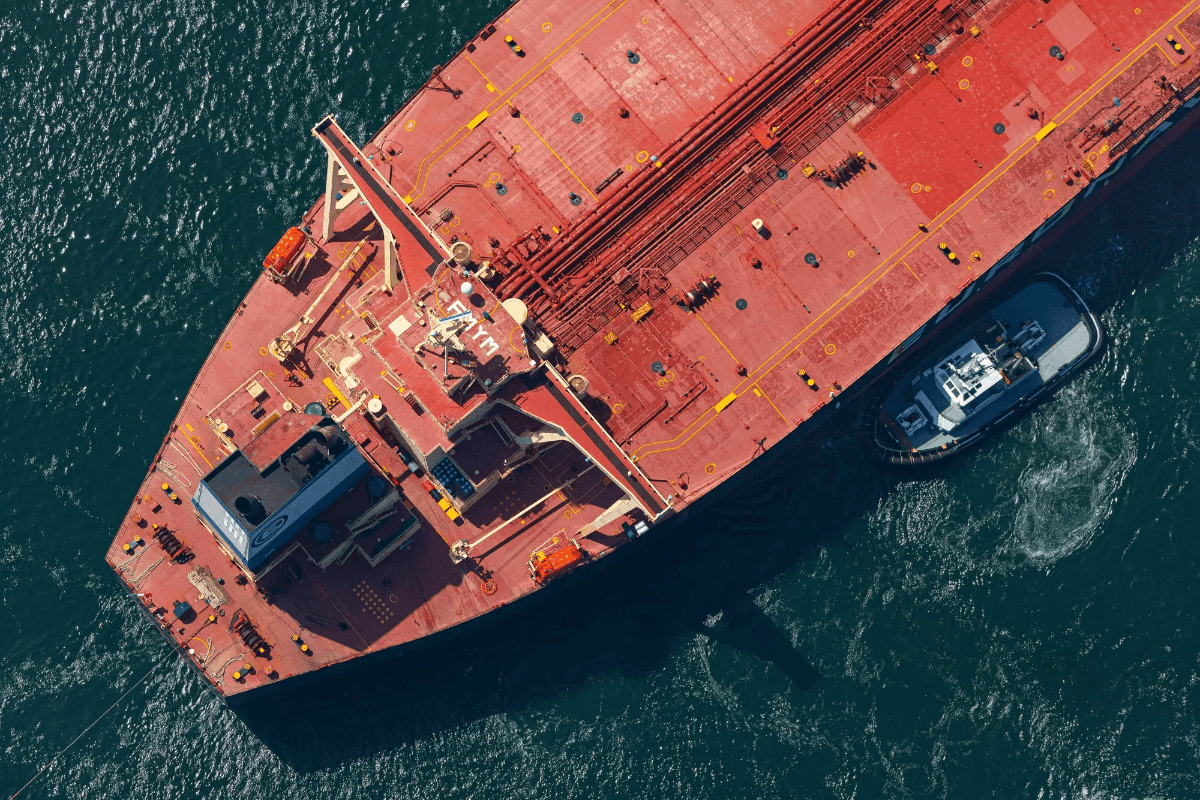
U.S. President Donald Trump said the United States has begun a humanitarian effort to help ships stranded in the Hormuz Strait, a critical chokepoint for global oil and goods shipments. Speaking on Sunday, May 3, Trump said the “Project Freedom” mission will escort vessels from multiple countries out of restricted waters so they can continue normal transport and trade.
Trump wrote on Truth Social that the U.S. has informed these countries it will help their ships depart “in a safe manner.” He did not provide details on how the operation would be implemented, but said U.S. representatives are having “very positive discussions with Iran,” adding that the exchanges “could lead to a very positive outcome for all sides.”
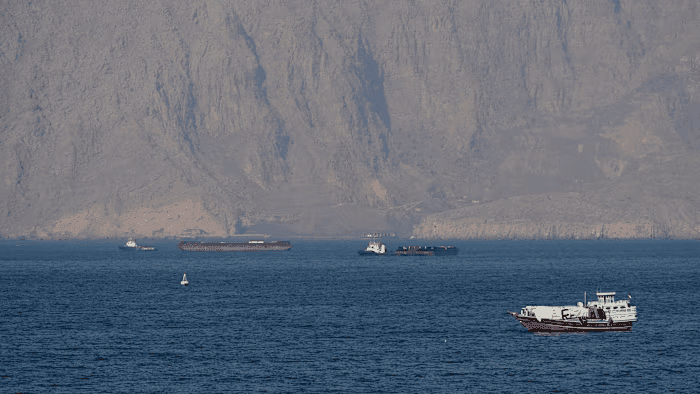
The Hormuz Strait has been blockaded and “nearly paralyzed” since late February, following U.S.-Israel airstrikes targeting Iran. Trump’s announcement immediately affected energy markets.
Iranian attacks on ships have caused shipping through the route to be nearly paralyzed since February 28, when the U.S. and Israel launched airstrikes against Iran. The strait is described as one of the world’s most important energy corridors, with about one-fifth of global oil and gas flows passing through.
Since the conflict began, an estimated 1,000 commercial ships and 20,000 seafarers have been stranded in the Gulf. On May 3, Trump said many of the affected vessels belong to countries not involved in the conflict, with crews running low on food.
On May 4, Iran confirmed it had received America’s response to its latest peace proposal. The proposal had previously been transmitted to Washington via Pakistan, the intermediary between the two sides.
Iranian Foreign Ministry spokesperson Esmaeil Baghaei said the new proposal includes 14 parts, focused “only on ending the war” in the Middle East, including Lebanon. Baghaei also said that, at this stage, Iran is not negotiating on the nuclear issue.
Earlier, on May 2, Trump said he was reviewing Iran’s peace proposal but warned the U.S. could resume military strikes if Iran “acts inappropriately.” Trump said the U.S. aims to eliminate Iran’s capability to produce weapons, arguing that remaining capacity could still serve as a platform for Tehran to rebuild its military power.
While Washington and Tehran maintain communication channels, the article says there has been no breakthrough on a long-term diplomatic solution. Trump and senior U.S. officials attributed stalled progress partly to disagreements and a lack of unity among Iran’s leaders.
The blockade has also pushed global energy prices higher, raising concerns about growth and inflation. Traders warned the market could be at a “tipping point” in the coming weeks, with oil prices potentially rising much higher.
The Hormuz Strait has become a central focus in the U.S.-Iran confrontation, with Washington seeking commitments from Tehran to end its nuclear program. The Wall Street Journal reported that the Trump administration is calling for an international information-sharing and diplomacy coalition to reopen the strait.
Separately, Britain and France are pushing plans to lead a campaign involving multiple countries to restore shipping through the Hormuz Strait if a durable ceasefire is reached.

Premium gym chains are entering a “golden era” that is ending or already in decline, as rising operating costs collide with shifting consumer preferences toward more flexible, community-based ways to exercise. Long-term memberships are shrinking, margins are pressured by higher rents and facility expenses, and competition from smaller, more personalized…