•
•
•
•
•
•
•
•
•
•
•
•
•
•
•
•
•
•
•
•
•
•
•
•
•
•
•
•
•
•
•
•
•


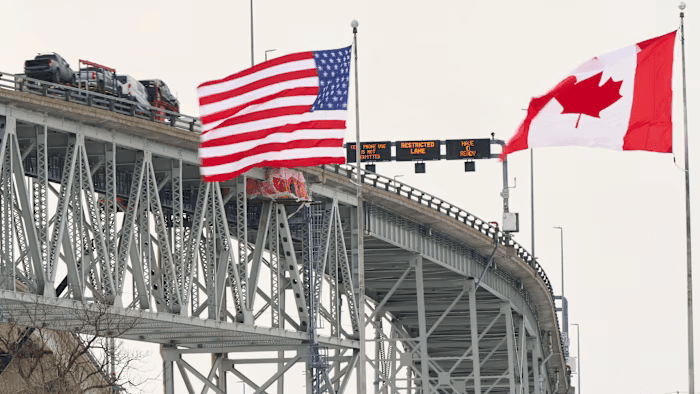
Speaking at an event in Washington on Friday, April 17, U.S. Commerce Secretary Howard Lutnick described the USMCA as a “terrible deal” and said President Donald Trump wants the agreement reviewed and even redesigned. Lutnick also rejected claims that Ottawa is deliberately slowing negotiations, calling that idea “the worst strategy” he has ever heard. The USMCA was signed by Trump in 2020 during his first term to replace NAFTA.
After Lutnick’s remarks, a spokesperson for the U.S. Department of Commerce said the secretary had been quoted out of context. The spokesperson said Lutnick’s point was that Canada benefits from an imbalanced trade relationship with the U.S. economy, valued at about $30 trillion.
U.S.-Canada relations have deteriorated since Trump returned to the White House in January 2025, when he announced a series of tariffs, including higher duties on goods imported from Canada. In response, Canadian consumers launched a boycott of American goods, costing more than $1 billion per month in U.S. export activity.
Tensions also intensified after Trump referred to Canada as the “51st state” and imposed sanctions on the close ally. Canadian backlash has included “Made in Canada” signage, hats reading “Canada not for sale,” and provincial governments canceling Starlink internet service contracts with Elon Musk.
As a result, Canadian visitors to the United States fell by about a quarter. At the same time, many U.S. products—particularly alcoholic beverages—were no longer sold in most Canadian stores under provincial control.
Kenneth Frankel, president of the Canada–U.S. Council (CCA), said U.S. officials have expressed concern about the boycott but have few tools to stop it. “Canadian consumers are making choices and feel they have agency through those choices,” he said, adding that provincial authorities are responding to a broader social mood.
Prime Minister Mark Carney has also promoted the trend through Buy Canada procurement policies aimed at reducing dependence on American suppliers, especially in defense.
According to a USTR report released at the end of March, U.S. exports of goods to Canada reached $336.5 billion in 2025, down 3.8% from 2024.
Data from the U.S. Travel Association shows Canada is the largest source of international visitors to the United States, with 20.4 million arrivals in 2024 generating $20.5 billion in revenue. Those figures have declined since Trump returned to power.
In a report released this month, the Royal Bank of Canada said the number of Russian visitors to the United States in 2025 fell by 25% year over year, while Canadians appear to be shifting to domestic travel or other international destinations outside the United States.
The bank said Canada’s restrained retaliation has helped limit the effect of trade tensions on domestic prices, but consumer behavior has shifted significantly, especially in tourism. A CEPR study published last month suggested major destinations such as Las Vegas and Miami could partly offset the decline in Canadian tourism by attracting more domestic visitors, while less prominent border communities along the U.S.–Canada line have less ability to compensate.
Mark Fisk, spokesman for the Michigan Smart Trade Alliance, said the Canadian boycott “clearly damaged” the Michigan economy, citing declining cross-border traffic and Canadian visitor numbers that are affecting business activity and revenue.
The impact is particularly pronounced in alcoholic beverages. The Ontario Alcohol and Beverage Control (LCBO) estimated annual revenue from American products previously reached CAD 965 million (about USD 705 million) before Ontario Premier Doug Ford halted imports and sales of these items last March.
“We have been clear that until the tariffs are lifted, American alcoholic beverages will remain off shelves,” Ford said in a statement to the Financial Times.
The Toasts Not Tariffs Coalition, a U.S. beverage industry lobby with ties to the hospitality sector, is lobbying the White House to end the trade dispute with Canada. In a letter dated April 15 to U.S. Trade Representative Jamieson Greer, the coalition said many Canadian provinces stopping the sale of U.S. wines reduced the value of wine exports by about 81%, described as unprecedented. It also said revenue from stronger alcoholic beverages fell by 63%, equivalent to USD 149 million, in the previous year.
The coalition warned the dispute could cause significant and long-lasting damage to American alcoholic beverage brands in Canada. It said that in a single year, the U.S. wine trade balance with Canada shifted from a surplus of USD 254 million to a deficit of USD 90 million.

Premium gym chains are entering a “golden era” that is ending or already in decline, as rising operating costs collide with shifting consumer preferences toward more flexible, community-based ways to exercise. Long-term memberships are shrinking, margins are pressured by higher rents and facility expenses, and competition from smaller, more personalized…





