•
•
•
•
•
•
•
•
•
•
•
•
•
•
•
•
•
•
•
•
•
•
•
•
•
•
•
•
•
•
•
•
•


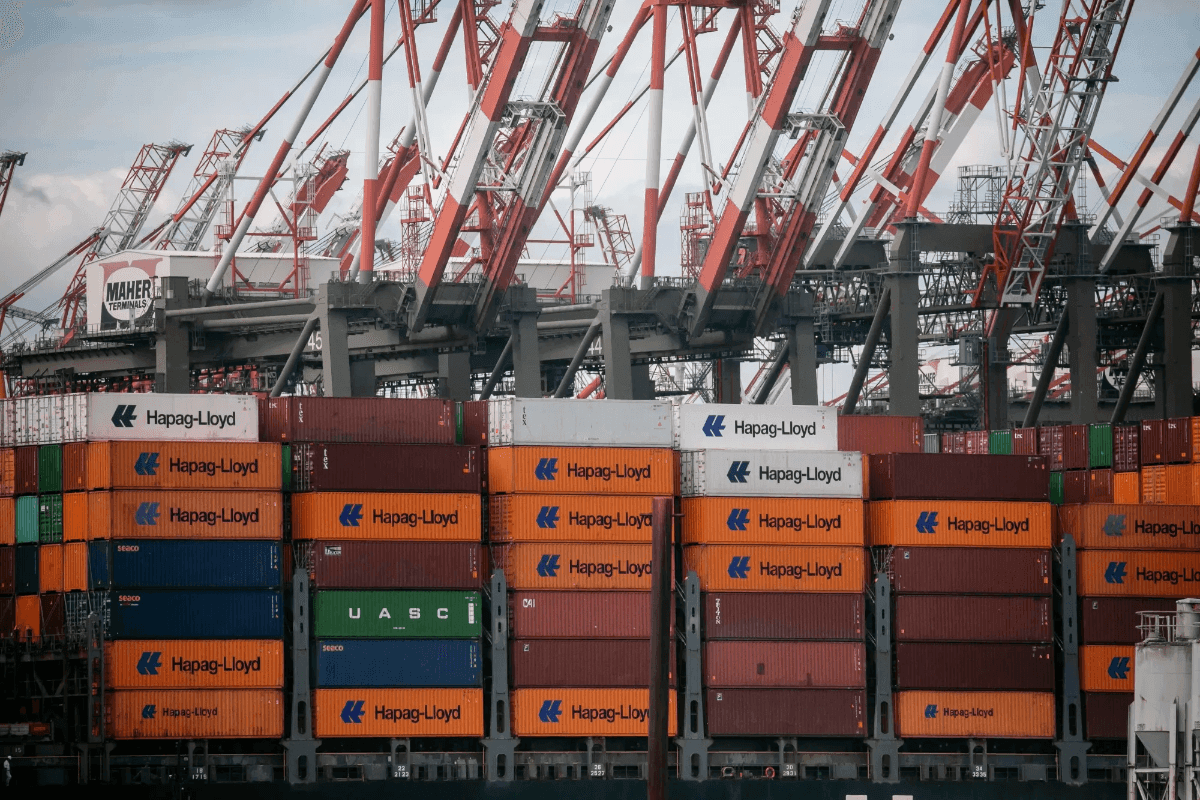
An American court has ruled that President Donald Trump’s 10% global tariff is illegal, creating a significant legal obstacle for his key economic policy. The decision was issued by the US Court of International Trade (CIT) on May 7.
The CIT found that the tariff, applied under Section 122 of the Trade Act of 1974, is not legally permissible. The ruling does not suspend the 10% global tariff across the board. Instead, it requires halting the tariff’s application for two companies that filed suit.
The decision adds to a series of legal setbacks for Trump’s trade policy. In February, the US Supreme Court ruled that the president could not impose tariffs by invoking the International Emergency Economic Powers Act (IEEPA). That Supreme Court ruling invalidated the corresponding tariffs and some other Trump tariff measures.
Section 122 allows the president to impose tariffs up to 15% for up to 150 days to address “large and serious balance of payments deficits.” In its ruling, the CIT in New York based its interpretation on how “balance of payments deficit” is understood as referenced by Congress when drafting the law in 1974.
Lawyers representing the plaintiff companies argued that a trade deficit and a serious balance of payments crisis are not the same.
The founders of one of the plaintiff companies described the CIT ruling as a “major victory for small businesses like us, those that rely on fair and predictable trade policy.” They argued the decision helps ensure businesses are not unfairly burdened by trade restrictions that are not lawful.
Dan Anthony, CEO of the We Pay the Tariffs advocacy group, called the ruling “positive news for small businesses that have been adversely affected by these illegal tariffs.”
The White House and the United States Trade Representative (USTR) have not issued a statement on the ruling.
Trump imposed the basic 10% tariff shortly after the Supreme Court struck down a countervailing tariff. Separately, USTR Jamieson Greer initiated several trade investigations under the authority granted by Section 301 of the Trade Act of 1974. Those investigations could pave the way for new tariffs on goods from most of America’s trading partners.
Greer is expected to complete the investigations and present options for new tariffs to President Trump by the end of July, when the basic 10% tariff is set to expire.








Premium gym chains are entering a “golden era” that is ending or already in decline, as rising operating costs collide with shifting consumer preferences toward more flexible, community-based ways to exercise. Long-term memberships are shrinking, margins are pressured by higher rents and facility expenses, and competition from smaller, more personalized…



