•
•
•
•
•
•
•
•
•
•
•
•
•
•
•
•
•
•
•
•
•
•
•
•
•
•
•
•
•
•
•
•
•


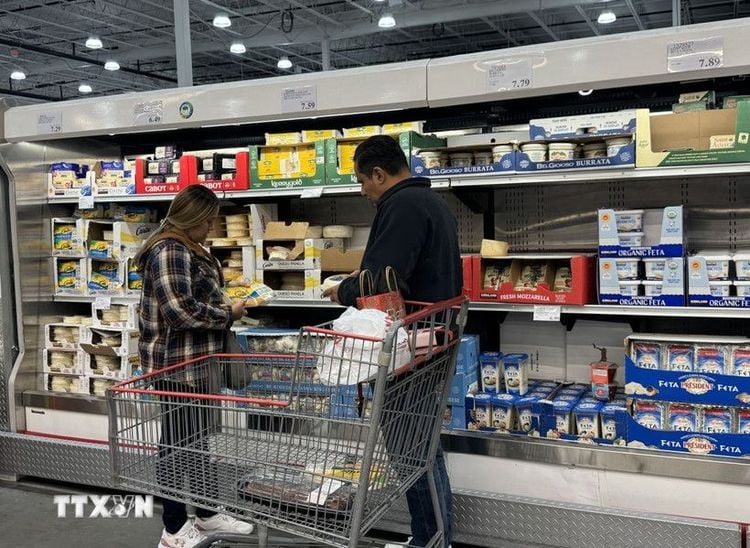
U.S. consumer prices are unlikely to ease as the Trump administration pursues new tariff tools amid ongoing tensions with Iran, according to USA TODAY. The latest legal setback to the administration’s trade agenda came when the U.S. Court of International Trade (CIT) ruled against a 10% tariff imposed under Section 122 of the Trade Act of 1974.
On May 7, the CIT ruled 2–1 that President Trump’s February decision to invoke Section 122 to impose a 10% tariff was unlawful. Although two majority-leaning justices blocked the administration from collecting the tariffs in Washington state and two companies challenged the policy, the tariffs will remain in place for most importers while the appeals process continues.
U.S. Trade Representative Jamieson Greer confirmed on May 8 that the administration plans to appeal. Speaking to Fox Business Network’s Mornings with Maria, Greer said the administration would comply with the court’s requirements, but that the tariff policy would not change.
Boston University economist Brian Bethune said the likelihood of a successful appeal is very low. He pointed to the administration’s prior attempts using similar approaches under the International Emergency Economic Powers Act (IEEPA), which he said proved ineffective. Bethune characterized the use of Section 122 as a fragile effort because the conditions for invoking it were not suitable.
Greer also highlighted that the administration retains other tariff options under Section 301 of the same Trade Act of 1974. Section 301 allows tariffs in response to foreign government actions that hinder or restrict U.S. trade. Greer previously announced Section 301 investigations into several countries and the European Union.
It remains unclear whether the eventual tariff rate will be lower, higher, or unchanged compared with last year after Trump imposed tariffs on nearly all U.S. trading partners under IEEPA. In February, the Supreme Court ruled those IEEPA tariffs illegal.
Drew DeLong, head of corporate research at Kearney Foresight, said that if the Section 301 investigations proceed as planned, real tariffs by year-end could be close to or even higher than the end-2025 level.
Tariff refunds ordered by the court for importers who paid tariffs under IEEPA are set to begin this month. However, refunds do not necessarily mean consumer prices will fall, as businesses may remain cautious amid ongoing tariff policy changes.
Matthew Seligman, founder of Grayhawk Law, said “time will tell,” adding that businesses are likely to proceed cautiously given the pace of tariff policy changes.
John Groton, head of energy, materials and utilities at Thrivent, said tariff increases clearly pushed inflation higher, but that tariffs are not the only driver. He cited oil shocks tied to the Iran conflict that have raised fuel costs for American drivers. Groton also noted that supply-chain disruptions affecting fertilizer, metals, and freight could raise prices for food, housing, and many consumer goods if the conflict persists.
He added that gasoline price moves are immediate and noticeable, while broader inflation effects in other sectors typically take longer to show up.
Michigan’s Consumer Sentiment Index for May showed consumer confidence at 48.2, a fresh low. Joanne Hsu, director of the Consumer Sentiment Survey, said about one-third of consumers mention gasoline prices and around 30% mention tariffs. Taken together, consumers continue to report cost pressures led by higher fuel costs.
Analysts expect inflation to rise again in April. The May 12 inflation data release will indicate whether those expectations are accurate.

Premium gym chains are entering a “golden era” that is ending or already in decline, as rising operating costs collide with shifting consumer preferences toward more flexible, community-based ways to exercise. Long-term memberships are shrinking, margins are pressured by higher rents and facility expenses, and competition from smaller, more personalized…