•
•
•
•
•
•
•
•
•
•
•
•
•
•
•
•
•
•
•
•
•
•
•
•
•
•
•
•
•
•
•
•
•


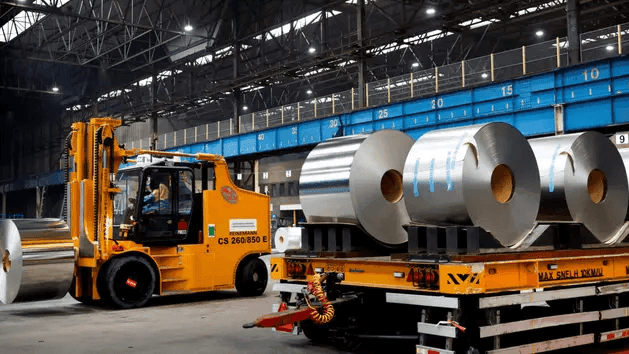
The United States has published new regulations that allow reducing tariffs on imported steel and aluminum from Mexico and Canada as trade talks between the two sides continue. Mexico’s Economy Ministry said the current 50% tariff could be reduced to a maximum of 25%, depending on production commitments made within the United States.
The regulation, published in the Federal Register, applies to steel and aluminum producers operating in Mexico and/or Canada, particularly for exports supplying the U.S. heavy-duty automotive sector. The mechanism had previously been delayed, which prevented firms from accessing preferential treatment even as Mexico raised concerns during meetings with the U.S. Department of Commerce.
To qualify for the preferential tariff rate, firms must meet four conditions:
The move comes as Mexico and the United States negotiate tariff reductions on steel, aluminum, and cars ahead of a USMCA review expected at the end of May. Mexico’s Economy Minister Marcelo Ebrard said the priority is to reduce tariffs rather than eliminate them altogether.
The current 50% tariff is applied under Section 232 of the Trade Expansion Act. According to the regulation’s stated intent, the new mechanism is designed to encourage firms to expand investment and production in the United States, aligning with Washington’s strategy to strengthen domestic industry capacity.
Separately, Mexico’s National Institute of Statistics and Geography (INEGI) reported that the economy contracted 0.3% in February 2026 versus the same period. This marked a second consecutive monthly decline.
INEGI said the main drag came from manufacturing, which fell 1.3%. Agriculture grew 2.3%, while services rose slightly by 0.1%.
Within manufacturing, the sub-sector fell 2.2%. Electricity, water, and gas declined 1.5%. By contrast, mining rose 1.1% and construction increased 0.8%.
For 2025, Mexico’s economy grew 0.6%, a subdued performance compared with prior years. Analysts cited in the report said the country avoided a technical recession but continued to experience weak growth.








Premium gym chains are entering a “golden era” that is ending or already in decline, as rising operating costs collide with shifting consumer preferences toward more flexible, community-based ways to exercise. Long-term memberships are shrinking, margins are pressured by higher rents and facility expenses, and competition from smaller, more personalized…



