•
•
•
•
•
•
•
•
•
•
•
•
•
•
•
•
•
•
•
•
•
•
•
•
•
•
•
•
•
•
•
•
•


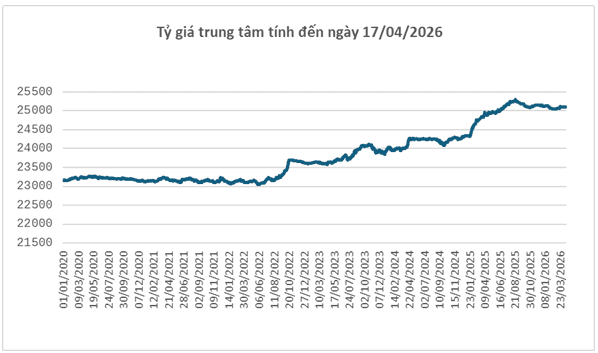
USD is losing some of its haven appeal on international markets as expectations for a faster de-escalation of Middle East tensions ease concerns about the dollar’s safe-haven status. On April 17, the USD Index (DXY) stood at 97.9, down 0.54 from a week earlier and the lowest in more than a month, roughly around levels seen in early March.
The dollar’s appeal weakened after U.S. President Donald Trump said he believed a deal to end the conflict with Iran could be reached soon, though no specific timeline was provided. Iran also indicated it would resume traffic through the Hormuz Strait during the ceasefire, which contributed to lower oil prices and helped reduce inflation concerns.
Previously, heightened Middle East tensions had supported demand for USD as a safe haven. With the latest developments around the Hormuz Strait and the prospect of de-escalation, both the USD and oil prices weakened, reflecting lower geopolitical risk.
Domestically, the USD exchange rate moved in line with global trends. On April 17, the State Bank of Vietnam set the center rate at 25,102 dong per USD, down 4 from the previous week.






Premium gym chains are entering a “golden era” that is ending or already in decline, as rising operating costs collide with shifting consumer preferences toward more flexible, community-based ways to exercise. Long-term memberships are shrinking, margins are pressured by higher rents and facility expenses, and competition from smaller, more personalized…




