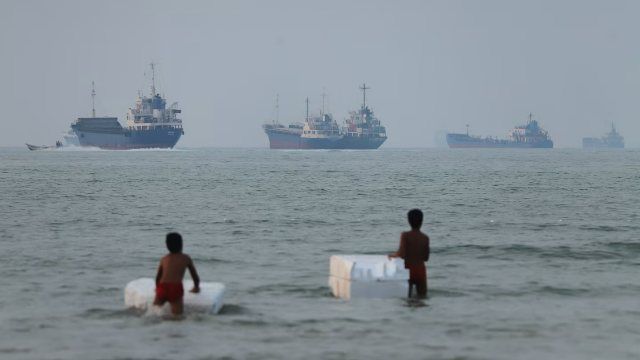
Vessel traffic through the Hormuz Strait has risen more than fourfold in the past week as confidence in the 60-day ceasefire between the United States and Iran grows.
Two main sea routes through Hormuz have been mined by Iran. The International Maritime Organization estimated about 80 mines would need to be cleared before the waterway could be safely used. In the meantime, ships proceed via the southern route along the Oman coast or use Iran-approved routes requiring IRGC clearance. U.S. and Oman are providing a degree of air protection for ships using the southern corridor.
According to 7-day moving average data from maritime data platform Signal, the count of trackable ships entering and leaving the Persian Gulf per day rose from 1-2 vessels for most of the conflict to eight vessels on July 1. On July 2, Hapag-Lloyd said four ships previously stuck in the Persian Gulf have now left the area. Maersk said two of its ships passed through the strait in the prior week. The uptick suggests shipowners believe they can pass through this disputed waterway safely, though traffic remains well below pre-crisis levels. Carriers are moving ships stranded in the Persian Gulf or capitalizing on elevated freight rates during the calmer window.
The traffic uptick underscores a shift in risk appetite among shipowners, who weigh security risks against the cost of having ships stranded and the potential savings from moving vessels now. While Brent crude has returned to pre-crisis levels, the ongoing risk means transportation costs remain volatile as the situation evolves.
“It is hard to say whether this reflects increasing confidence or simply that more shipowners are willing to take higher risks. A company when making a decision will weigh not only security risks but also the cost of having ships stranded. At some point, shipowners will accept greater risk to move their ships out of the area.”
“Hull insurance costs are currently around 2% of the vessel’s value, well below the roughly 7% level observed when the ceasefire took effect,” said James Reason, a specialist at insurance broker WTW.