•
•
•
•
•
•
•
•
•
•
•
•
•
•
•
•
•
•
•
•
•
•
•
•
•
•
•
•
•
•
•
•
•


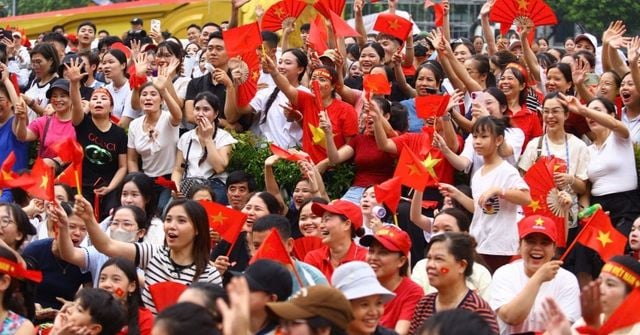
This is a positive signal from the Vietnam General Confederation of Labor. The Vice President of the Vietnam General Confederation of Labor, Mr. Ngo Duy Hieu, said in an interview with the Vietnam Workers Newspaper that the nation’s workforce is encouraged by Parliament’s approval of the resolution on developing Vietnamese culture.
Under the resolution, from July 1, 2026, November 24 each year will officially become Vietnam Culture Day. On this day, workers will be granted time off while still receiving full pay.
The Confederation said the event is not only a day off, but also an opportunity to nurture the soul, enhance social responsibility, and honor the values of the nation’s heritage for union members and workers. It also noted that on this day, people will benefit from exemptions or reductions in fees for public cultural and sports facilities.
Because Culture Day on November 24, 2026 falls on a Tuesday, many members have submitted proposals to the VGCL to adjust the work calendar.
Proposed plan: Swap the working day on Monday, November 23, 2026 to make up on Saturday, December 5, 2026. Under this plan, workers would have a four-day continuous break from Saturday, November 21, 2026 to Tuesday, November 24, 2026.
Mr. Ngo Duy Hieu said the Confederation will discuss with the Ministry of Interior to find the optimal plan before presenting it to the Prime Minister for consideration.
VGCL said extending holidays can bring multi-faceted benefits. For individuals, it helps workers restore health, improve morale, and strengthen family relationships. For society, it can stimulate tourism and shopping, thereby supporting economic growth.
Based on this, workers’ representatives called for a more flexible legal framework. They said that in addition to the traditional principle of compensatory time off, the Prime Minister should have expanded authority to decide on day-off swaps based on proposals from ministries. The aim is to help ensure balance among the interests of enterprises, workers, and overall social development.





Premium gym chains are entering a “golden era” that is ending or already in decline, as rising operating costs collide with shifting consumer preferences toward more flexible, community-based ways to exercise. Long-term memberships are shrinking, margins are pressured by higher rents and facility expenses, and competition from smaller, more personalized…