•
•
•
•
•
•
•
•
•
•
•
•
•
•
•
•
•
•
•
•
•
•
•
•
•
•
•
•
•
•
•
•
•


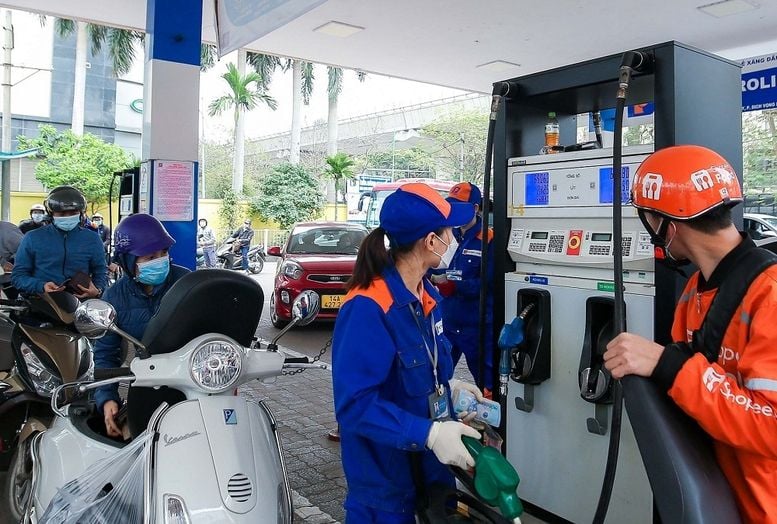
The Government has extended the applicability of Decree 72/2026/NĐ-CP, which revised preferential import tariff rates for certain gasoline and oil products and related inputs, until June 30, 2026, under Government Resolution 25/2026/NQ-CP.
Decree 72/2026/NĐ-CP, dated March 9, 2026, lowered preferential import tariff rates to 0% for unleaded motor gasoline under HS codes 2710.12.21, 2710.12.22, 2710.12.24 and 2710.12.25, as well as blending inputs including naptha and reformate under HS 2710.12.80.
The decree also reduced preferential tariff rates from 7% to 0% for diesel fuels, fuel oil, aviation turbine fuel and kerosene.
In addition, certain petrochemical feedstocks were reduced from 3% to 0%, including xylenes, condensate and p-xylenes. Other circular hydrocarbon feedstocks were reduced from 2% to 0%.
Resolution 25/2026/NQ-CP also confirms that preferential tariff rates for certain raw materials used to produce gasoline and oil are 0% under the following codes: 2710.19.20 (crude oil with light fractions separated), 2710.19.89 (other heavy oils and products) and 2711.19.00 (other).
Resolution 25/2026/NQ-CP states that the extension applies from May 1, 2026 to June 30, 2026. From July 1, 2026, the preferential tariff rates for the listed items and the provisions of Decree 72/2026/NĐ-CP will be implemented in accordance with Decree 26/2023/NĐ-CP dated May 31, 2023, including the tariff schedule, preferred tariff, absolute duty, mixed duty and excess import tariff rates, as well as the applicable preferential rates for the specified items.
According to the Ministry of Finance, extending the application of Decree 72/2026/NĐ-CP to maintain 0% preferential tariffs for the specified gasoline and oil items is intended to help stabilize the domestic gasoline and oil market and ensure energy security amid ongoing global uncertainties. The measure is also aimed at supporting macroeconomic stability and promoting growth, while complying with legal procedures.






Premium gym chains are entering a “golden era” that is ending or already in decline, as rising operating costs collide with shifting consumer preferences toward more flexible, community-based ways to exercise. Long-term memberships are shrinking, margins are pressured by higher rents and facility expenses, and competition from smaller, more personalized…