•
•
•
•
•
•
•
•
•
•
•
•
•
•
•
•
•
•
•
•
•
•
•
•
•
•
•
•
•
•
•
•
•


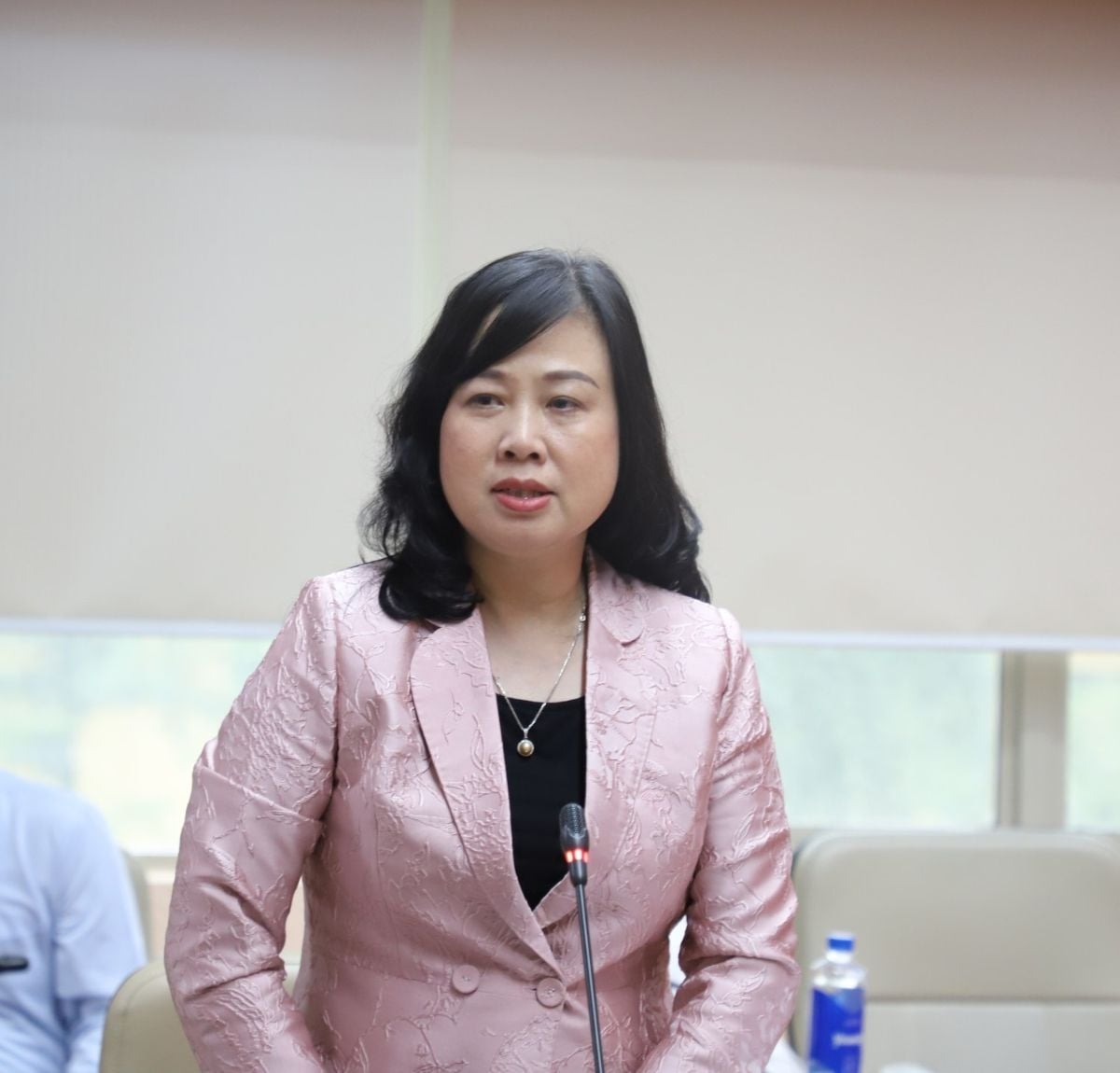
Vietnam’s Ministry of Health says the health sector will participate in international clinical trials in 2026 for several next-generation vaccines, including mRNA-based cancer vaccines and other advanced vaccine candidates.
At a meeting on 17 April with Deputy Prime Minister Pham Thi Thanh Tra, Health Minister Dao Hong Lan presented the sector’s roadmap for clinical testing and broader health-sector reforms.
In May 2026, the Ministry of Health and the Tam Anh General Hospital system are expected to sign with Sanofi to transfer manufacturing technology for three vaccines in Vietnam: the 6-in-1 vaccine, the influenza vaccine, and the meningococcal vaccine.
The ministry said it will strengthen management, licensing, and supply to ensure adequate availability of medicines, vaccines, and medical devices, with a focus on quality and “reasonably priced” products to protect public health.
On advanced therapies, the minister said the sector has selected clinical trial pathways and aims to master CAR-T cell therapy and stem cell therapy in collaboration with Japan. It also plans to develop 3D and personalized approaches in orthopedics.
The ministry is also applying artificial intelligence to genome sequencing for cancer treatment and prenatal screening.
The sector is advancing the rollout of electronic health records. The target is that by 31 December 2026 hospitals will no longer use paper records. As of now, 34.3 million electronic health records have been created on the VNeID app.
Under Resolution 72-NQ/TW, the ministry will finalize plans and guidelines for periodic health examinations or screenings for the population at least once a year. The plan also includes phased implementation of medical fee exemptions under the health insurance framework aligned with premium contributions.
The ministry said it will finalize and submit to the National Assembly amendments to several health-related laws, including the Health Law amendments, the Food Safety Law amendments, the Medical Device Law, and the Law on Traditional Medicine and Pharmacy.
It will also complete the feasibility study for the National Target Program 2026–2035, which is expected to be approved in Q2 2026. In addition, the ministry will finalize adjustments to the health facility network plan for 2021–2030, with a vision to 2050, to serve as a basis for investment.
The ministry said it will continue reforming the health apparatus to be lean, efficient, and capable, with a focus on strengthening capacity at the primary health care level and aligning with the two-tier local governance model.
It will also simplify administrative procedures to facilitate citizens and business, while continuing to develop advanced medical techniques, expand telemedicine, and accelerate technology transfer.
Under Resolution 57-NQ/TW, the minister said the sector is focusing on establishing five key medical universities and institutions: Hanoi University of Medical Sciences, Hanoi University of Pharmacy, Ho Chi Minh City University of Medicine and Pharmacy, Can Tho University of Medicine and Pharmacy, and the Traditional Medicine Institute. The plan is to seek government approval in Q4 2026.
The ministry also said it has completed professional competency standards for the field.


Premium gym chains are entering a “golden era” that is ending or already in decline, as rising operating costs collide with shifting consumer preferences toward more flexible, community-based ways to exercise. Long-term memberships are shrinking, margins are pressured by higher rents and facility expenses, and competition from smaller, more personalized…




