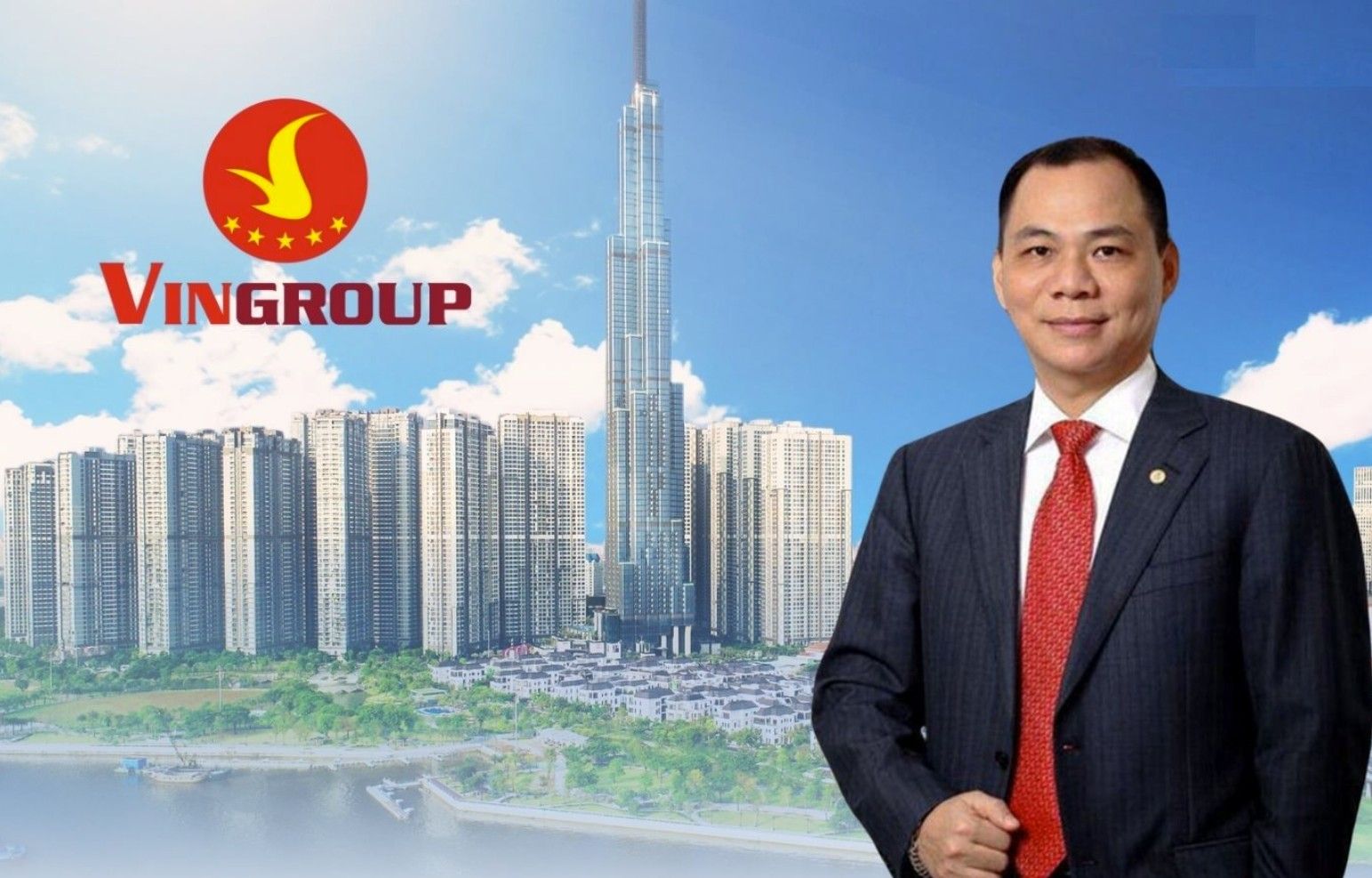
Vingroup Joint Stock Company (MCK: VIC, HOSE) has disclosed in a filing to the Hanoi Stock Exchange that it issued 1,750 international bonds with a face value of USD 200,000 per bond. The bonds were issued and listed on the Vienna Stock Exchange in Austria in USD.
The international bonds are non-convertible, not accompanied by warrants, unsecured, and constitute direct debt obligations of the issuer. The bonds include an option to receive Vinpearl shares (MCK: VPL) owned by Vingroup.
With a five-year tenor, the VICD2328003 tranche is expected to mature on 16 April 2031.
In the domestic market, Vingroup redeemed principal of VND 2,000 billion and paid over VND 62 billion in interest for bond code VICH2426001 on 10 April 2026.
On 17 April 2026, the company continued to pay principal of VND 2,000 billion and over VND 62 billion in interest for bond VICH2426002, thereby completing the redemption of this tranche.
Both the international and domestic issuances were issued in April 2024 with a 24-month term and a coupon rate of 12.5% per year.
Vingroup also recently held its 2026 annual general meeting. One notable agenda item was the business plan with guided targets of consolidated revenue of VND 485,000 billion, up 45.7% from 2025, and after-tax profit of VND 35,000 billion, nearly triple the prior year.
Compared with the plan announced earlier in April 2026, the targets were increased by VND 35,000 billion in revenue and VND 10,000 billion in profit, representing increases of about 8% and 40%, respectively.
Looking forward, Vingroup said it will continue to focus on three pillars: infrastructure, green energy, and culture, and will pursue funding strategies domestically and internationally to support expansion.
In the industrial sector, VinFast aims to deliver 300,000 electric cars and target 1,000,000 electric motorcycles.
In real estate, Vinhomes plans to shift toward real housing demand, develop projects to ESG++ standards, accelerate social housing, and pursue a transit-oriented city model.
Leadership also indicated plans to expand wind and solar power and to develop a sustainable energy ecosystem, including storage, in the long term.