•
•
•
•
•
•
•
•
•
•
•
•
•
•
•
•
•
•
•
•
•
•
•
•
•
•
•
•
•
•
•
•
•
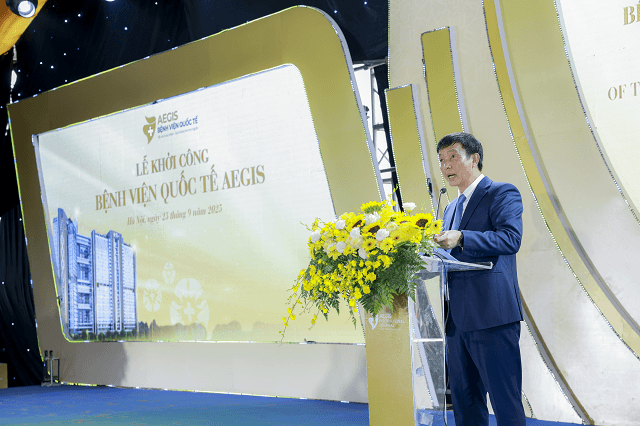
VIW shares surged by about 130% after Vinaconex appointed Mr. To Dung as chairman of its subsidiary VIW. The move also coincided with Vinaconex’s unexpected indication that it plans to divest more than 70% of its VIW stake as part of a restructuring of its investment portfolio.
Vinaconex (VCG) announced its registration to sell nearly 42.1 million VIW shares, aiming to realign its investment portfolio. The registered selling period is from April 23 to May 22, 2026, with transactions expected to be conducted through order-matching and/or negotiated deals.
If the sale is completed as planned, VCG’s ownership would fall from 97.5% to 25%, equivalent to more than 14.5 million shares.
The divestment comes as VIW’s stock has risen sharply in recent weeks. As of the close on April 17, VIW traded at 32,400 VND per share, up 133% year-to-date. Average liquidity was around 43.8 thousand shares per session.
At this price level, Vinaconex could potentially raise about 1,363 billion VND if the registered deal is completed.
Between March 20 and April 17, 2026, Vinaconex had filed to sell more than 10.5 million VIW shares. However, the company sold only 380.8 thousand shares during that period, which reduced its stake to 97.5% as of now.
The announcement drew additional attention because the VIW take-private deal had been completed not long before. In late 2025, State Capital Investment Corporation (SCIC) sold all VIW shares to Vinaconex. After that transaction, Vinaconex held about 57 million shares, equivalent to 98.16% of charter capital, making VIW a subsidiary.
At an extraordinary general meeting on March 5, VIW’s board was elected for the 2026–2031 term with five members. Mr. To Dung of Xuan Cau Holdings was selected as chairman. Since then, VIW’s stock has climbed about 130% to date.
Bitcoin (BTC) investors who use steady dollar-cost averaging (DCA) may be underperforming versus strategies that adjust exposure to the market’s cycle, according to new research arguing that Bitcoin’s behavior differs from traditional long-duration assets.
In a report cited by Markus Thielen of 10x Research, Bitcoin’s market…