•
•
•
•
•
•
•
•
•
•
•
•
•
•
•
•
•
•
•
•
•
•
•
•
•
•
•
•
•
•
•
•
•



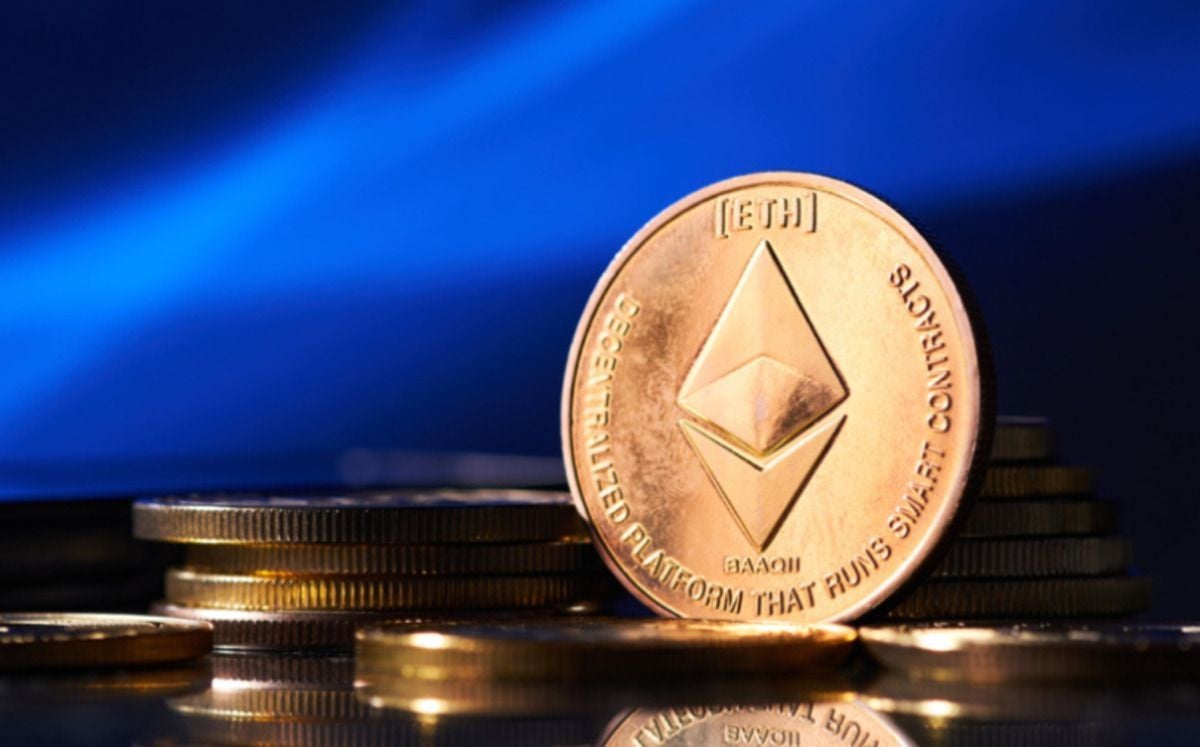
An Ethereum whale bought $103 million worth of ETH earlier today, according to on-chain intelligence firm Arkham. The transfers were sent to newly created wallet addresses, but the funds originated from “hot wallets” linked to institutional platforms including FalconX and BitGo.
Arkham said the buyer accumulated a total of 45,000 ETH, valued at close to $103 million at the time of reporting. Of that amount, 20,000 ETH was purchased from FalconX and 25,000 ETH was bought from BitGo.
The firm noted that the transaction pattern—fresh wallets funded from established institutional liquidity providers—resembled the structure of earlier purchases associated with Tom Lee’s activity through BitMine. However, Arkham said there is no concrete evidence or a press release from Tom Lee’s firm confirming the identity of the buyer.
It also remains unclear whether the newly funded addresses will be used for additional purchases.
Arkham described Tom Lee as a prominent Ethereum bull known for outspoken views on Ethereum’s future despite ongoing market troubles. It referenced his earlier characterization of Ethereum as a “wartime store of value” amid geopolitical tensions and market volatility over the past six months, including the Middle East crisis.
BitMine, which Arkham says operates similarly to Michael Saylor’s Strategy but focused on ETH, aims to eventually hold around 5% of Ethereum’s total supply. At present, Ethereum’s total market cap is around $274 billion, and the company is reported to own around 5 million ETH, or 4.21% of the supply.
To reach the 5% target, Arkham estimated BitMine would need to spend about $1.7 billion more at current prices, referring to the goal as the “Alchemy of 5%.”
For comparison, Arkham said Saylor’s Strategy—focused on Bitcoin—would require roughly 5x more investment, given Bitcoin’s market capitalization of about $1.5 trillion.
Arkham said large-scale “whale” buying is more common in Bitcoin, but less so in Ethereum, where only a handful of known organizations are believed to spend at this scale. It also pointed to the fact that Ethereum’s ETF has not attracted the same level of attention as Bitcoin’s, which can make it easier to narrow down potential buyers—particularly in a bear market.
Regardless of whether BitMine is the buyer, Arkham said the activity underscores growing institutional interest in Ethereum’s long-term utility and staking economics. It added that large players continue to accumulate and lock up supply through on-chain staking, a feature not available to Bitcoin investors.

Premium gym chains are entering a “golden era” that is ending or already in decline, as rising operating costs collide with shifting consumer preferences toward more flexible, community-based ways to exercise. Long-term memberships are shrinking, margins are pressured by higher rents and facility expenses, and competition from smaller, more personalized…