•
•
•
•
•
•
•
•
•
•
•
•
•
•
•
•
•
•
•
•
•
•
•
•
•
•
•
•
•
•
•
•
•


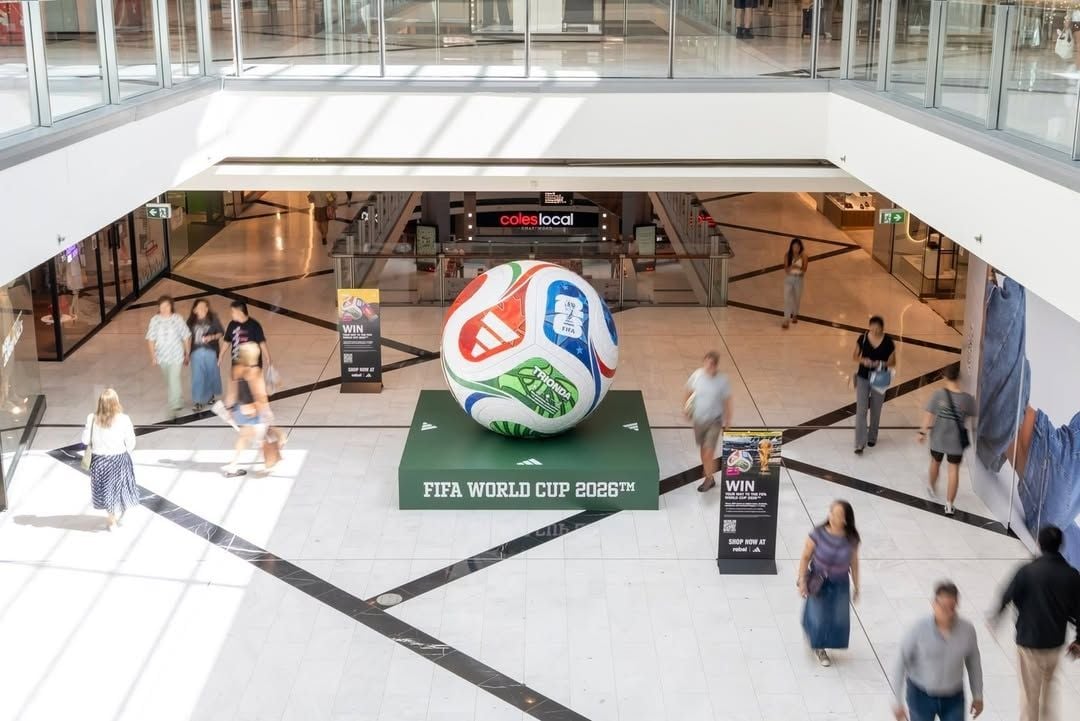
With less than two months before the opening ceremony in Mexico City on June 11, World Cup 2026 is facing a mix of security, geopolitical and demand-related challenges that are weighing on revenue expectations. Total revenue is forecast to reach $10.9 billion.
Mexico, one of the three host nations, is dealing with violence linked to drug cartels. While the government has pledged to strengthen security in host cities including Mexico City and Monterrey, safety concerns remain a factor for international fans considering travel.
Another key issue is whether Iran will participate given escalating tensions in the Middle East. Iran qualified as the top team in Group A of the third round of Asian qualifiers and, according to the schedule, will play New Zealand and Belgium in Los Angeles before facing Egypt in Seattle.
The U.S. government maintains travel restrictions for Iranian citizens, with exceptions for members of the national team and coaching staff. Some Iranian football officials were previously denied visas to attend the World Cup draw in Washington, DC in December.
FIFA Secretary-General Mattias Grafström said FIFA’s objective is “to ensure a safe World Cup with the participation of all nations.” On April 20, Iranian media reported that Iran plans to play a friendly against Panama on U.S. soil ahead of World Cup 2026. The FIFA President also said Iran is “almost certain” to participate.
Weak travel conditions are also affecting the U.S. tourism outlook. The Trump administration has imposed a full or partial travel ban covering 19 countries, including Iran, Senegal, Côte d’Ivoire and Haiti—teams participating in the World Cup. Travel costs have also risen due to an energy crisis tied to the Middle East conflict.
Lighthouse Intelligence reports that room rates on match days in major cities including Atlanta, Dallas, Miami, Philadelphia and San Francisco have fallen about 30% from the start of the year, despite earlier expectations that the World Cup would boost demand.
Financial Times analysis cited high costs as a primary reason for weak demand. The European Football Fans’ Association (FSE) estimates that attending the final will cost at least $6,900 in ticketing alone—about five times higher than World Cup 2022 in Qatar.
Chris Nassetta, Chairman of Hilton Worldwide, said the level of bookings for World Cup 2026 “is not meeting expectations.” Some industry experts argue that pricing and long-stay demand strategies used to pre-empt the tournament did not deliver as intended, contributing to some guests choosing alternative lodging options such as Airbnb.
Even if fewer fans travel, viewership on television can still support commercial partners. Brands with official FIFA partnerships, such as Adidas, may benefit from ongoing exposure. Athlete engagement also remains important: if products are not sold directly at the event, appearances with athletes in tunnel spaces or on social media can still help brands reach audiences.
Adidas has unveiled 23 home kits for nearly all teams it sponsors.
Compensation extends beyond the champion, with teams that advance deep into the tournament receiving substantial payments. The broader financial push reflects FIFA’s effort to position the World Cup as a catalyst for the global football economy.
The tournament is scheduled to kick off on June 12, 2026 at Azteca Stadium in Mexico and to conclude with the final on July 20, 2026 (Vietnam time) at MetLife Stadium in New Jersey, USA.







Premium gym chains are entering a “golden era” that is ending or already in decline, as rising operating costs collide with shifting consumer preferences toward more flexible, community-based ways to exercise. Long-term memberships are shrinking, margins are pressured by higher rents and facility expenses, and competition from smaller, more personalized…