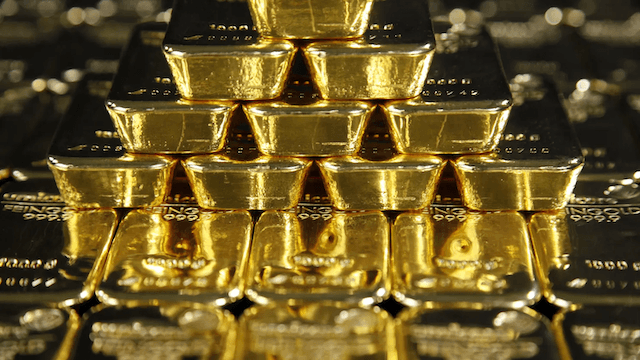
World gold prices edged higher on 10/04 as the U.S. dollar weakened following a two-day ceasefire between the United States and Iran, supporting demand for the metal. Spot gold rose 0.3% to $4,778.89 per ounce on 20 April, extending weekly gains to over 2%. U.S. gold futures fell 0.3% to $4,804.00/oz.
“Gold buyers are regaining the upper hand this week, with daily higher dips supported by the fragile ceasefire,” said Tai Wong, a metal trader. He added that there could be a “big tug-of-war” around the $5,000/oz level, and that a break above it could re-ignite the rally.
The ceasefire ended two days of airstrikes by the U.S. and Israel on Iran, but it did not ease the blockade at the Hormuz Strait, nor reduce tensions in the parallel conflict between Israel and Iran-backed Hezbollah in Lebanon.
David Meger, director of metals trading at High Ridge Futures, said that as tensions in the Middle East cool, expectations of future rate cuts have increased, while the USD remains under pressure—factors that support gold.
The dollar is set to post a weekly decline, making USD-priced gold cheaper for holders of other currencies. Data also showed U.S. consumer prices in March rose at the fastest pace in nearly four years, driven by higher oil prices and lingering effects of tariffs. Persistently high inflation is expected to curb central banks’ ability to cut rates.
Gold is viewed as an inflation hedge and a geopolitical risk asset, but its appeal can weaken in a high-rate environment because it yields no interest.
In other metals, silver rose 1.7% to $76.34/oz, while platinum fell 2.5% to $2,050.99/oz and palladium fell 2.5% to $1,518.66/oz. All three metals are on track for weekly gains.