•
•
•
•
•
•
•
•
•
•
•
•
•
•
•
•
•
•
•
•
•
•
•
•
•
•
•
•
•
•
•
•
•


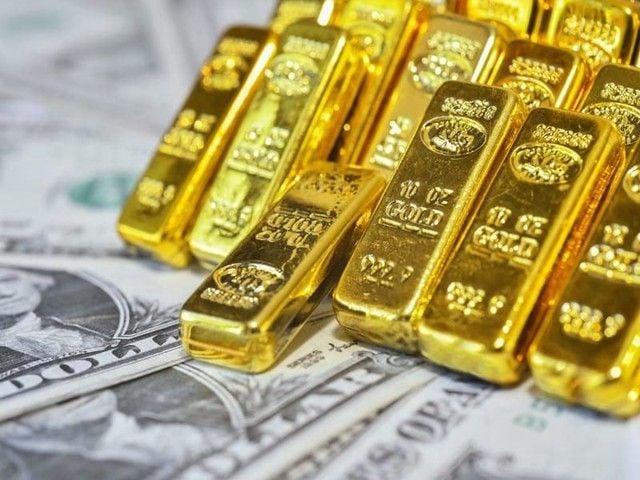
Despite a modest net buying volume, sentiment in gold remains relatively positive following more than ten sessions of net selling. Data cited from Muavangbac.vn shows that the world’s largest gold ETF, SPDR Gold Trust, recorded a net purchase of 500 kg on May 8, extending a two-day net buying streak. While the inflow was not large, it is viewed as a constructive signal after a prolonged period of outflows. The fund currently holds nearly 1,034 tonnes of gold.
Kitco data indicates that gold futures settled on May 8 at $4,715 per ounce, up 0.6%. The report attributes the rise to a pause in oil prices and a weaker U.S. dollar. However, the market’s upside was limited after U.S. non-farm payrolls data came in stronger than expected.
Investors remain cautious because the Federal Reserve’s rate-cut outlook is still uncertain amid persistent inflation pressures and a resilient labor market. According to the U.S. Department of Labor, nonfarm payrolls increased by 115,000 in April, down from 185,000 in March but above the forecast of 55,000. Wage growth pressures were lower than expected, and the unemployment rate remained at 4.3%.
Analysts said the relatively solid labor market data gives the Fed room to prioritize inflation risks within its dual mandate, suggesting rates could remain unchanged in the near term.
CME FedWatch data shows the market priced a 14% probability of a rate increase by year-end. Although that probability remains low, it is higher than last week’s 9% and a month ago when it was below 1%.
Analysts also warned that gold could be sensitive to upcoming inflation releases, including the April CPI and PPI. In addition to inflation data, markets will watch a potential U.S. Senate vote on the nomination of Kevin Warsh as the next Fed Chair. Warsh has indicated support for rate cuts this year to stimulate the economy, but he has also proposed reducing the Fed’s balance sheet, which could weigh on market liquidity.
Some analysts cautioned that even with a dovish stance, high inflation may limit the scope for rate cuts, which could cap potential gains in gold.
Premium gym chains are entering a “golden era” that is ending or already in decline, as rising operating costs collide with shifting consumer preferences toward more flexible, community-based ways to exercise. Long-term memberships are shrinking, margins are pressured by higher rents and facility expenses, and competition from smaller, more personalized…