•
•
•
•
•
•
•
•
•
•
•
•
•
•
•
•
•
•
•
•
•
•
•
•
•
•
•
•
•
•
•
•
•

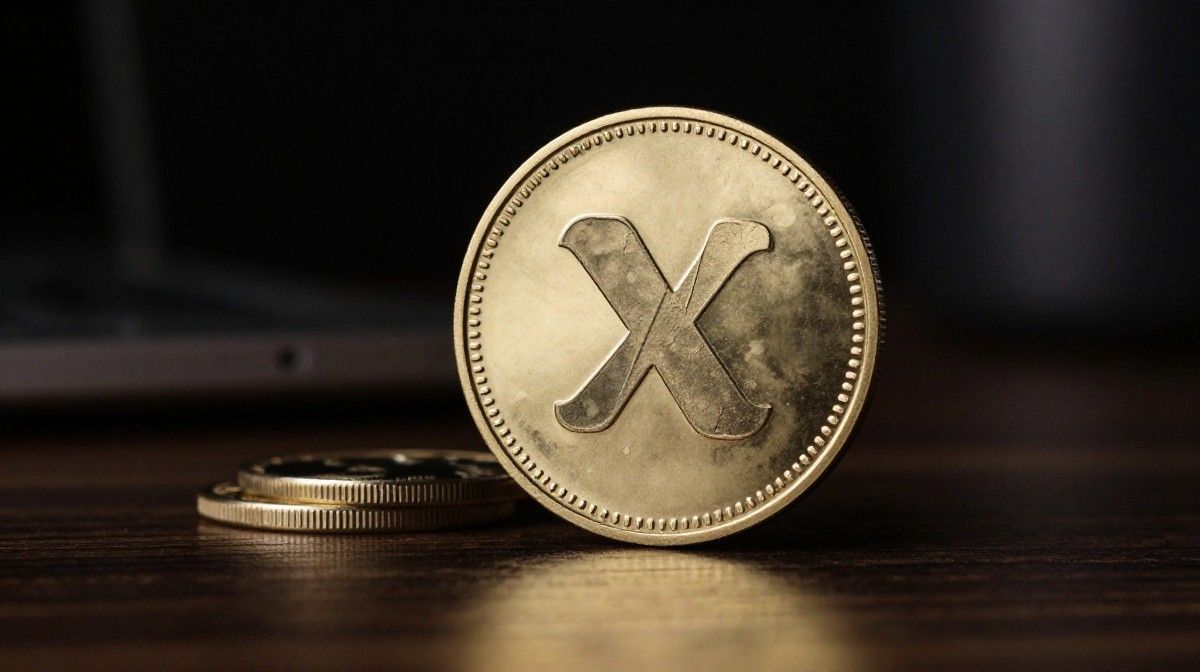
XRP could rise to a range of $5 to $8 before the end of 2026, according to a forecast cited in the article. The projection is tied to payment-system integration, expanding cross-border deals, and continued growth in Ripple’s partnerships, alongside ongoing discussion around exchange-traded funds (ETFs). The same outlook suggests that if institutional demand materializes, XRP could potentially move above $10.
At the time of writing, XRP trades at $1.379. The token previously peaked near $3.80 in August and has since been in a downtrend for months. The article points to a base forming since February, when XRP bottomed at $1.10, and notes that over the past three months the lows have been rising—an indicator some traders interpret as support building.
To reach the forecast range, XRP would need to clear several resistance points highlighted in the article. The first level is $1.50, followed by $2.00. A further barrier is cited at $2.40, described as a prior area where sellers appeared during earlier rallies and consolidation periods.
The article also emphasizes that price progress would depend on whether momentum can be sustained. It argues that adoption must keep expanding, liquidity must remain supportive, and market sentiment cannot deteriorate. It adds that if XRP falls below $1.10, the recovery thesis would likely weaken, with the base potentially failing.
The article frames the outlook as a shift in how XRP is viewed—from a speculative asset toward financial infrastructure. It attributes part of this narrative to Ripple’s efforts to embed XRP into payment rails rather than limiting its role to exchange trading. It also cites regulatory clarity in the United States, including the “Clarity Act,” which the article says reduced uncertainty that had weighed on XRP for years.
However, the article cautions that partnerships do not automatically translate into higher token prices. It notes that Ripple has signed deals with banks and payment processors in the past without always producing a measurable market response. Critics, it says, continue to question whether these agreements create direct demand for XRP itself.
Liquidity is presented as another critical factor. The article argues that XRP needs deep markets and active trading to support a move from $1.379 toward $5 or higher. It warns that thin liquidity can lead to sharp price swings and faster reversals. While it states that XRP has “decent liquidity” on major exchanges, it says scaling liquidity matters for larger moves.
Sentiment in crypto is described as fast-moving and sensitive to regulatory headlines and major partnership announcements. The article suggests that XRP holders have experienced both rally and reversal scenarios, and it reiterates that volatility remains a defining feature even if the longer-term trend appears constructive.
The article also discusses a separate crypto project, Bitcoin Hyper, which is raising funds in a presale. It reports that the project has raised more than $32 million so far, with tokens priced at $0.013679.
According to the article, Bitcoin Hyper’s concept is to combine Solana’s speed with Bitcoin’s security by building a Bitcoin Layer 2 that runs the Solana Virtual Machine, aiming to provide a high-speed smart contract environment for Bitcoin. The article notes that early-stage projects carry higher risks due to the lack of track record and proven user demand, and it says execution will be the determining factor after launch.
It adds that presale figures indicate interest but do not confirm long-term viability, emphasizing that the real test will come after launch when the project must attract developers, users, and liquidity.
For the near-term, the article highlights the next few months as pivotal. It states that if XRP breaks above $1.50 and holds, the path toward $2.00 could open. If XRP repeatedly fails at resistance, it says traders may lose patience. The article reiterates that $1.10 is viewed as a key line in the sand: below it, the recovery narrative would likely weaken, while above $1.50, conditions could become more favorable.
Overall, the article concludes that XRP’s ability to reach the $5 to $8 target depends on more than technical levels. It argues that cross-border payments must scale, banks and financial institutions would need to move meaningful volume through Ripple’s network, and that volume must translate into demand for holding or using XRP. Without that alignment, it says XRP could remain range-bound, moving sideways while waiting for the next catalyst.
The crypto bear market remained in force on Wednesday, with bitcoin slipping back toward the $60,000 area. Sharp pullbacks in gold and oil also weighed on the 2025 “debasement trade,” which had supported hard assets amid concerns about government debt and fiat currencies. Meanwhile, tech—particularly the AI boom—continued…