•
•
•
•
•
•
•
•
•
•
•
•
•
•
•
•
•
•
•
•
•
•
•
•
•
•
•
•
•
•
•
•
•
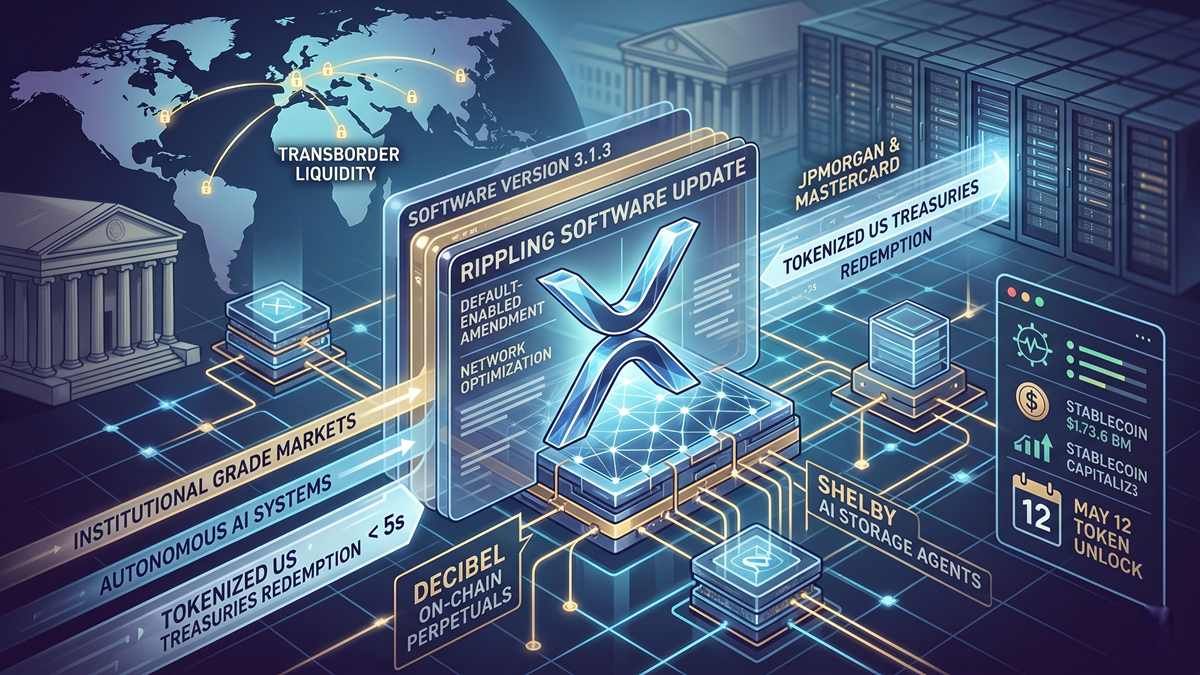
The XRP Ledger Foundation confirmed this Friday that version 3.1.3 of its core software is ready, aiming to strengthen the operability of the XRP Ledger network. The update is presented as a critical technical measure for node operators and validators within the ecosystem.
Version 3.1.3 is available and includes one default-yes fix amendment. According to the foundation, no manual voting is required; upgrading alone is sufficient to activate the amendment.
The foundation urged infrastructure operators to upgrade their nodes as soon as possible. It said the goal is to prevent servers from becoming “amendment blocked,” a situation that occurs when a node does not recognize the protocol’s updated rules.
The foundation also said it will publish a detailed blog post about the release once the amendment is live.
While other updates may require prolonged consensus, version 3.1.3 integrates a fix amendment that is activated by default. The foundation reported that this mechanism allows the improvement to be implemented automatically after the software update by network participants.
Developers said no manual voting is required for this amendment. However, infrastructure operators were invited to migrate quickly to ensure their servers continue to follow the updated protocol rules.
When an amendment is enabled, servers running older versions of rippled without the corresponding source code stop correctly interpreting the network’s rules. Under consensus parameters, these servers lose the ability to validate ledgers, process transactions, or participate in future votes intended to protect the integrity of the ledger data.
The release of version 3.1.3 comes approximately two months after version 3.1.2, which launched on March 13, 2024. The previous update focused on fixing a specific case that could cause disruptions in public-facing nodes, improving overall system stability.
The XRP Ledger Foundation said that once the amendment is fully active on the mainnet, it will publish a detailed technical analysis on its official blog. It framed this transparency as a way to facilitate the transition for developers building solutions on the protocol.
Beyond the software update, the network recently demonstrated its capacity to manage institutional operations. JPMorgan, Mastercard, and Ripple completed the first cross-border redemption of tokenized U.S. Treasury bonds using the infrastructure.
The transaction was settled in less than five seconds. Mastercard’s Multi-Token Network served as the bridge, enabling interoperability between on-chain assets and the traditional financial system to facilitate conversion to fiat currency.
Markus Infanger, Senior Vice President of RippleX, said the milestone shows how tokenized assets can move “frictionlessly” between public blockchain infrastructure and the global financial system, positioning the network as a high-speed alternative for settlement of sovereign debt instruments.








The crypto bear market remained in force on Wednesday, with bitcoin slipping back toward the $60,000 area. Sharp pullbacks in gold and oil also weighed on the 2025 “debasement trade,” which had supported hard assets amid concerns about government debt and fiat currencies. Meanwhile, tech—particularly the AI boom—continued…