•
•
•
•
•
•
•
•
•
•
•
•
•
•
•
•
•
•
•
•
•
•
•
•
•
•
•
•
•
•
•
•
•


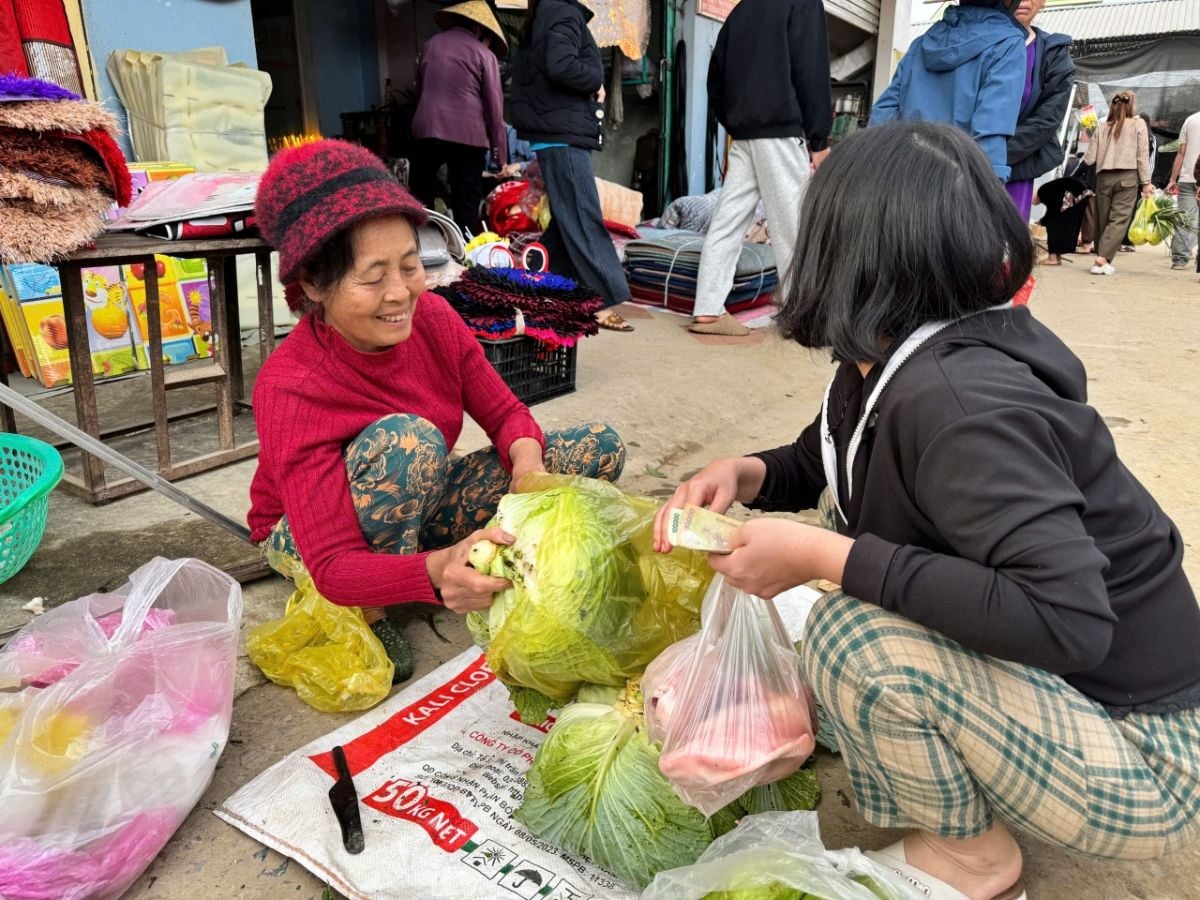
On the morning of the 29th day of the twelfth lunar month, Song Market in Thọ Ngọc commune, Thanh Hóa province was crowded as people hurried through the year’s final market session. Beyond brisk buying and selling, the market served as a place to share hopes, concerns, and simple joys ahead of the new year.
The fresh foods section was especially busy, with pork, beef, chicken, and fresh fish displayed in rows. Sellers worked continuously while buyers chose more carefully than on ordinary days.
In the middle of the market, Ms. Huong’s household goods stall attracted steady attention. Aluminum pots, non-stick pans, baskets, basins, plastic containers, and water tanks were arranged under tarps, reflecting how everyday kitchen items become more in demand in the final days of the year.
Ms. Huong said the year-end market always sells well. “At year-end people tend to replace old pots, buy a new pan, and get a rice bin to keep things neat. The new year, everyone wants a tidy home,” she said.
Many shoppers examined each item closely—tapping gently to check thickness and asking detailed prices. Some bought new sets of bowls for a festive table, while others chose electric kettles to replace appliances used for many years.
At Ms. Van’s clothing stall, parents and children crowded around the racks. Colorful outfits were hung densely, and Ms. Van noted that the 29th is the busiest day of the year.
“Many families wait until near Tet to buy, so their children can wear something new for the occasion,” she said.
In front of the stall, children stood watching as they tried on clothes. Ngoc Lan, a third-grader in the commune, was guided by her mother to choose. When the yellow jacket fit, her face brightened. She hugged a bag of new clothes and repeatedly opened it, as if afraid the items might disappear.
Not everyone came to the market only to purchase items. Cu Nhan, an elderly man with white hair, walked slowly along the stalls without holding a basket, taking measured steps as he looked around.
“Do I come here to meet familiar people, to hear laughter. At home it is too quiet; going to the market makes me feel Tet,” he said.
For him and many other elderly residents, the 29th lunar market was also a social occasion. Between the cries of vendors, they recalled stories about harvests, grandchildren, and the year just passed. Sellers offered New Year wishes, while buyers asked about each other’s families.
As noon approached, the late-year sun spread softly over the market square. Motorbikes loaded with foods, sweets, and clothes lined up to leave. Although faces were sweaty, shoppers’ eyes remained bright.
Children were eager to go Tet shopping with their parents, while families selected vegetables in preparation for the final meal of the year.
From Song Market, the Tet atmosphere followed people back to their homes—into roofs and kitchens—bringing with it hope for a peaceful new year. In a time of changing habits, the year-end market in Thọ Ngọc still keeps its own rhythm, with Tet reflected not only in full bags, but also in children’s anticipation, a mother’s diligence, and the slow steps of an elder who goes simply to “see Tet.”
As the market gradually thinned, stalls began to pack up and the old year quietly closed. From this small rural market, spring followed each person back home, into every kitchen and house, carrying hope for a more peaceful new year.







Premium gym chains are entering a “golden era” that is ending or already in decline, as rising operating costs collide with shifting consumer preferences toward more flexible, community-based ways to exercise. Long-term memberships are shrinking, margins are pressured by higher rents and facility expenses, and competition from smaller, more personalized…